 by
by The cost of replacing a Tesla Model S battery can exceed the price of the car itself
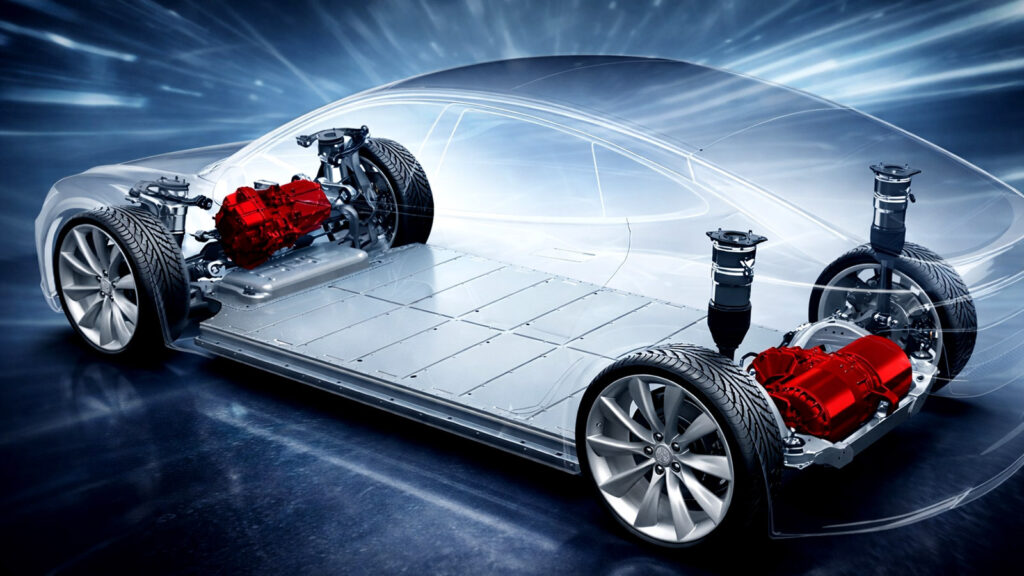
Electric vehicles have a number of advantages, such as impressive acceleration, almost silent driving, and typically lower charging costs compared to refueling with gasoline. However, there is another side to the coin when something goes wrong. Replacing the battery is not just an expensive procedure; its cost can easily exceed the market price of the car itself.
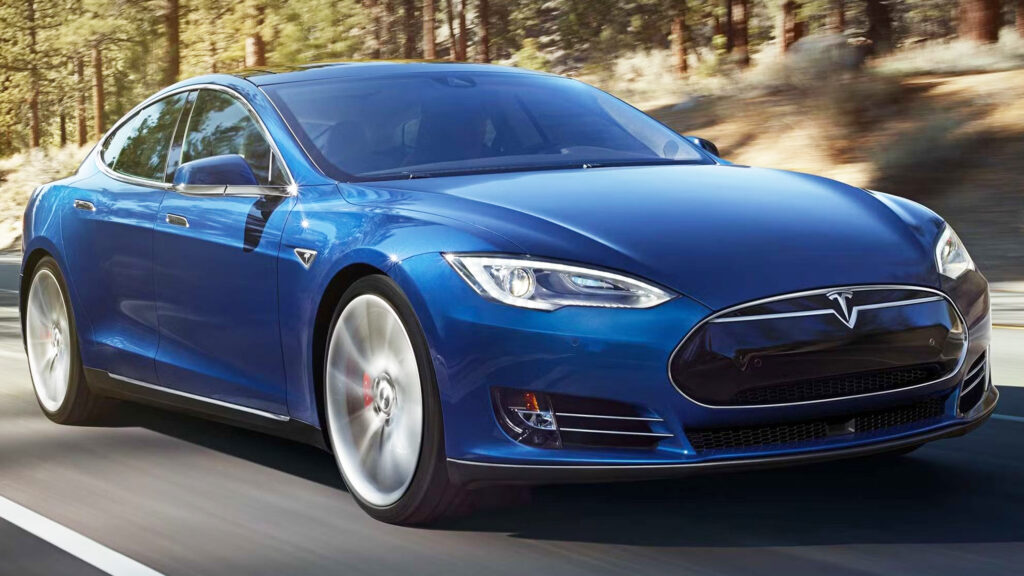
A vivid example is the owner of a 2013 Tesla Model S, who received an estimate for battery replacement from a Tesla service center in Madison, Wisconsin. The owner inquired about replacing the existing 60 kWh battery with a similar one or with a larger 90 kWh version. Both options turned out to be extremely expensive.
Battery Prices are Staggering
Replacing the 60 kWh battery would cost $13,830. This amount includes $580.50 for labor (calculated for 2.58 hours) and $13,250 for the battery itself. This is a significant sum for the smallest battery from Tesla today.
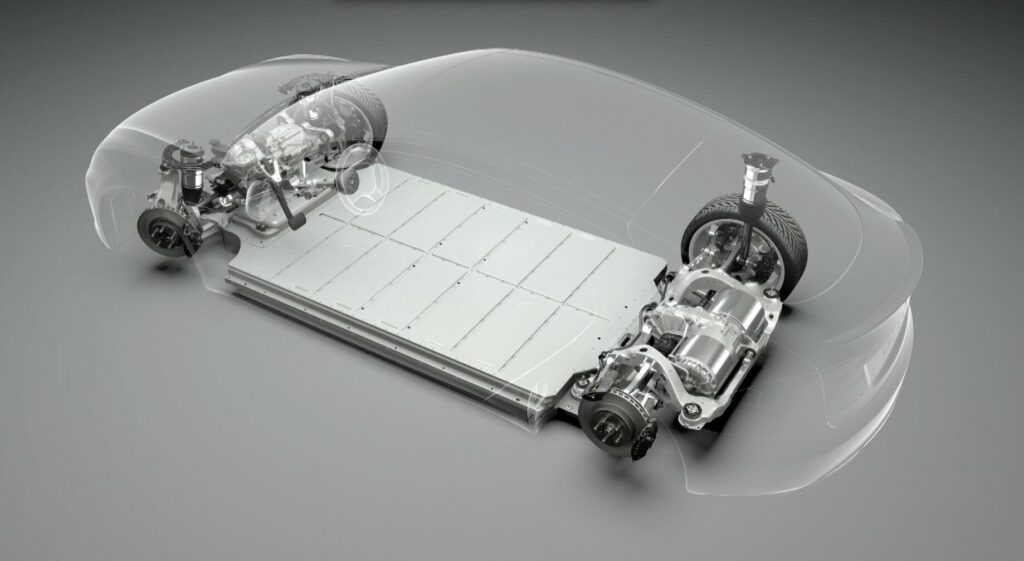
The cost of the larger 90 kWh battery is significantly higher. The battery itself costs $18,000, plus an additional $4,500 is needed to unlock its full capacity. Including installation and necessary spare parts, the total amount reaches $23,262.
The price exceeds the value of most used Model S of the same year, which are currently estimated in the range of $10,000 to $15,000 depending on trim and condition. From a financial point of view, such an upgrade is not justified.
Community Reaction and Alternatives
A Reddit user under the nickname u/sirromnek shared this experience, sparking discussion among other Tesla owners. Many have driven hundreds of thousands of miles on original batteries without issues, however, battery degradation does occur. For some, the only way is an expensive replacement.
While going directly to Tesla is one option, new batteries can also be purchased from third-party suppliers, often at a significantly lower price. However, given that ten-year-old Tesla Model S sedans are barely worth over $12,000, buying a replacement battery is probably not worth it.
This situation highlights a broader issue of long-term electric vehicle ownership, especially for first generations. Rapid technological obsolescence and the high cost of key components create a dilemma for owners when the car is still functional but requires a very expensive repair. This can impact the used electric vehicle market and the perception of their long-term reliability. For now, for many owners of older models, the smartest financial decision may not be repair, but selling the car for parts or scrapping it, which calls into question the environmental benefits of electric vehicles at the end of their life cycle.