


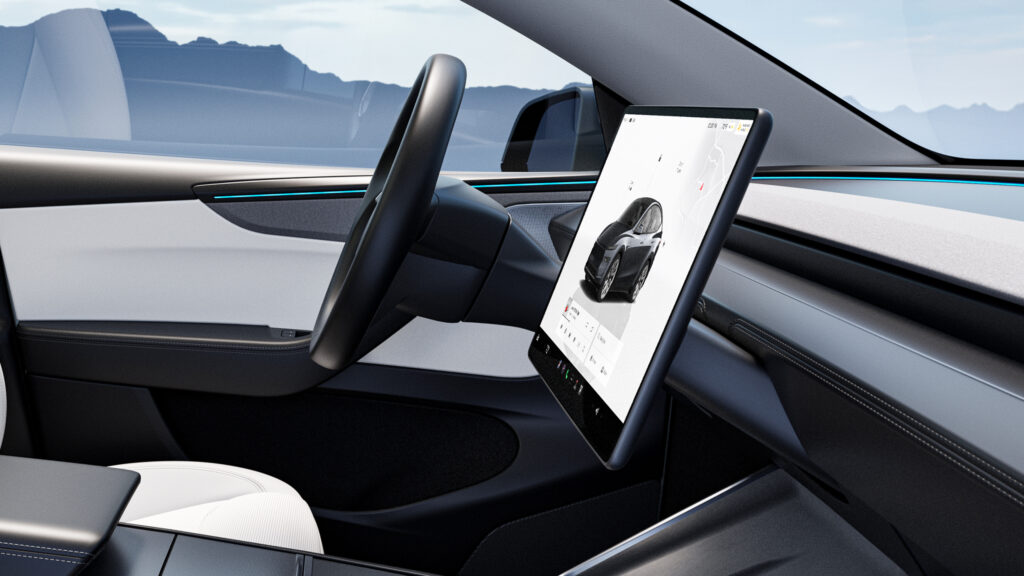
Tesla’s Costly FSD Option Loses Transferability
Tesla is preparing to fully transition to a subscription model for its Full Self-Driving (FSD) package and is discontinuing the ability to transfer this one-time purchase to a new car for orders placed after March 31. This is a significant change for owners who once paid for FSD upfront and expected the feature to remain with them when upgrading their vehicle.
Tesla’s official position is clear: to transfer FSD to a new car, the order must be placed by the end of March. This is perceived as a deliberate incentive for owners of older models with FSD to upgrade now, otherwise they risk losing the expensive option they have already paid for and will be forced to switch to a monthly subscription.
Broken Promises and Model Change
At its peak price, the Full Self-Driving package cost an impressive $15,000, although the level of autonomy promised by the company for nearly a decade has never been achieved. Recently, the price has stabilized at around $8,000. Among Tesla’s customers, there are likely hundreds of thousands who have paid for features that are not yet fully realized.
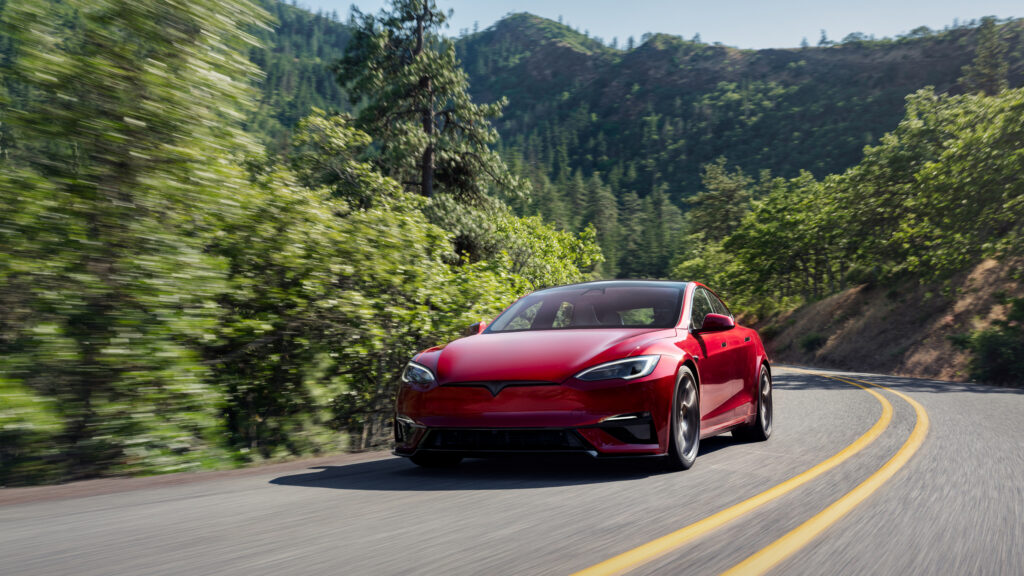

The transition exclusively to a monthly subscription was an expected step. Similar driver assistance systems from competitors such as GM and Ford are also available on a subscription model. This means the buyer does not need to pay a large sum upfront for an option they may never be able to fully utilize. Furthermore, if a subscriber is dissatisfied with FSD’s performance, they can easily cancel the $99 per month subscription.
Changes in Terms and Uncertain Future
Interestingly, Tesla recently adjusted the terms. Initially, to transfer FSD, one not only had to order but also take delivery of the new car by March 31. According to the latest information, the requirement to take delivery by April has been removed. Now, customers simply need to place an order by the specified date.
Whether this is truly the end of the era of FSD transfers remains an open question. Tesla has taken similar steps in the past, only to bring this option back during active sales periods. For now, the possibility still exists, but time is running out.
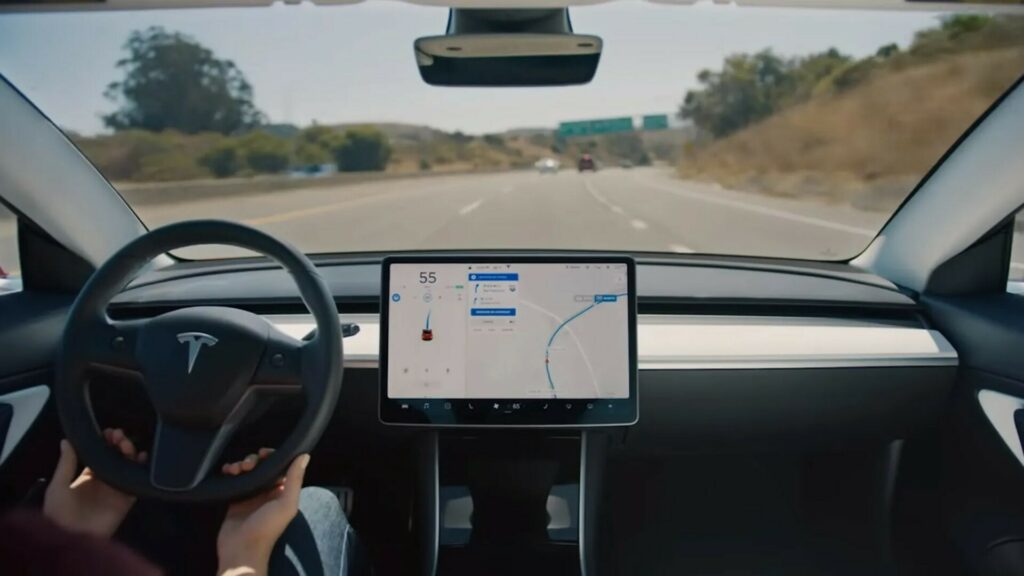

This transition to a subscription model reflects a general trend in the automotive industry, where software and services are becoming a permanent source of revenue. For Tesla, it is also a way to mitigate criticism regarding unfulfilled promises of full autonomy, offering users a more flexible and less risky form of access to the constantly improving technology. However, for early brand adopters who invested thousands of dollars in a “future” that has not yet arrived, this may become another example of their loyalty being used for the financial optimization of the company’s business model. The future will show whether this policy will lead to a loss of trust or become a new industry standard.