


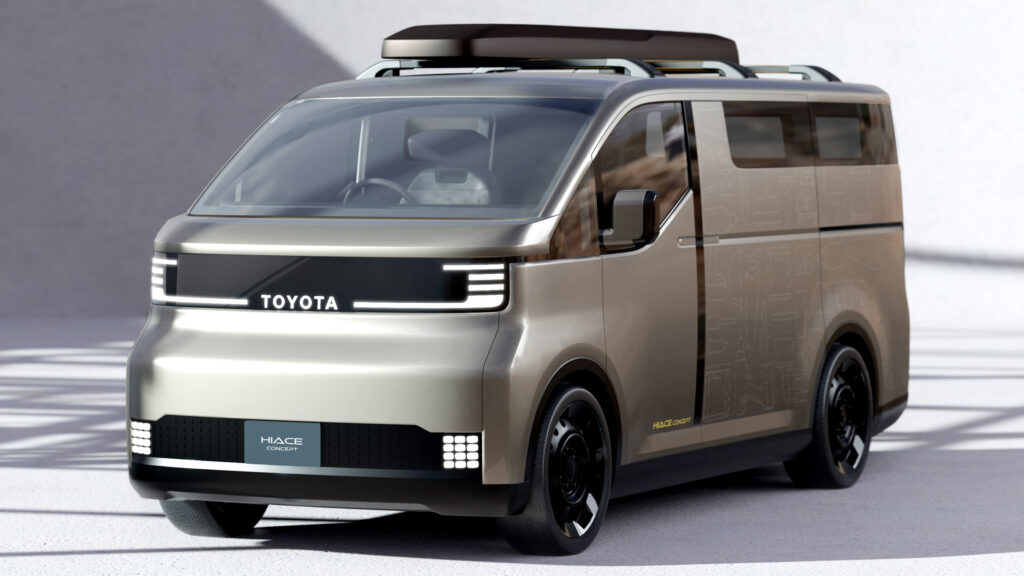
After more than two decades of countless updates, Japan’s most famous workhorse is finally getting a serious rethink. The Toyota HiAce remains one of the most popular commercial vehicles in the world, but the current H200 generation has been on sale in Japan since 2004, making the arrival of a successor entirely logical. According to rumors, the new model will debut early next year, marking the biggest change in the history of this nameplate.
Why this matters
In 2019, Toyota introduced the H300 generation HiAce, but Japan was left with the older cab-over-engine H200. The latter has received countless model range updates over the past 22 years, but is inevitably approaching the end of its life cycle.
What will the new HiAce look like?
The Toyota HiAce concepts that debuted at the Japan Mobility Show 2025 are the best indication of what the next generation will be like. They will finally give Japanese buyers access to a modern Toyota light commercial vehicle.
One of the concepts has a long wheelbase and high roof, the other is a standard van. Both feature modern LED headlights and clean surfaces inspired by the 2023 Toyota Kayoibako concept. Importantly, the new HiAce will abandon the “cab-over-engine” style of the H200 but will have a shorter hood than the H300, making it more suitable for Japan’s narrow roads.
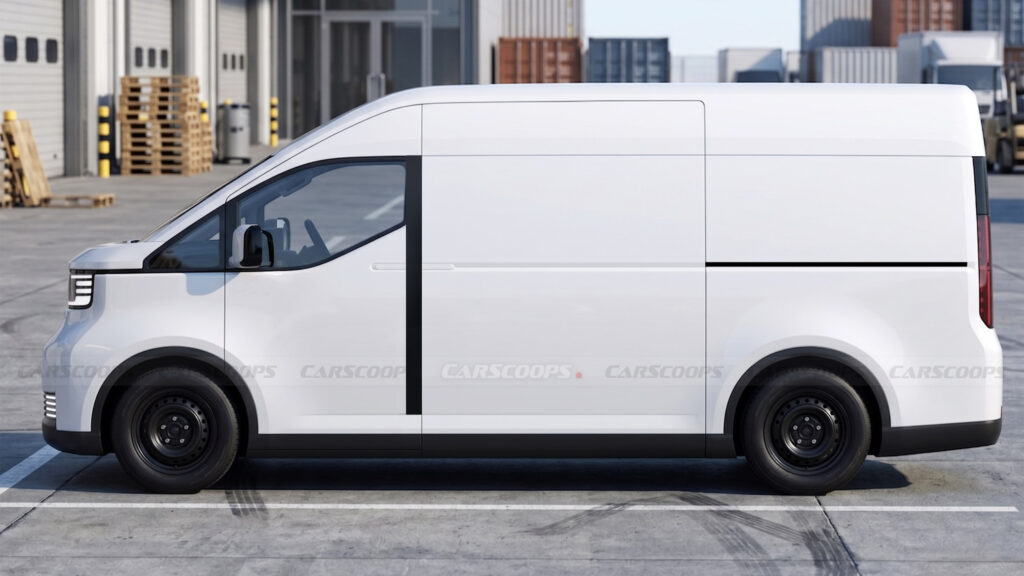

Our exclusive rendering shows the future production HiAce as a white commercial van with a high roof and long wheelbase on black steel wheels. The narrow side windows of the concepts are likely intended for passenger versions, while the lighting units may feature simpler LED graphics to save costs.
Body options and platform
Toyota will likely offer several LCV body variants, following the example of the current HiAce, which is available in different widths, heights, and lengths. It can be assumed that the new model will also serve as the basis for passenger shuttles and even campers. Additionally, the lineup will be complemented by a smaller van based on the Daihatsu Kayoibako-K concept, designed for urban deliveries and short camping trips.
TNGA platform brings big changes
According to reports from local media, the new HiAce will share components with the H300 generation, which is currently sold in markets such as the Philippines, Thailand, and Australia. The LCV is expected to be based on the TNGA platform, bringing improvements in safety and ride quality compared to the aging H200.
In addition to the switch from a mid-engine to a front-engine layout, the HiAce is rumored to introduce a self-charging hybrid powertrain. It will likely be more powerful and efficient than the existing diesel and gasoline engines.
As hinted at by the 2023 Global HiAce BEV concept, a fully electric version of the LCV was considered. However, recent rumors suggest that the zero-emission powertrain has been postponed due to changing market conditions.
According to Creative Trend, citing information from the local agency Apollo News Service, the new generation HiAce will debut in late 2026 or early 2027. We will continue to follow the news about this popular van and update this story accordingly.
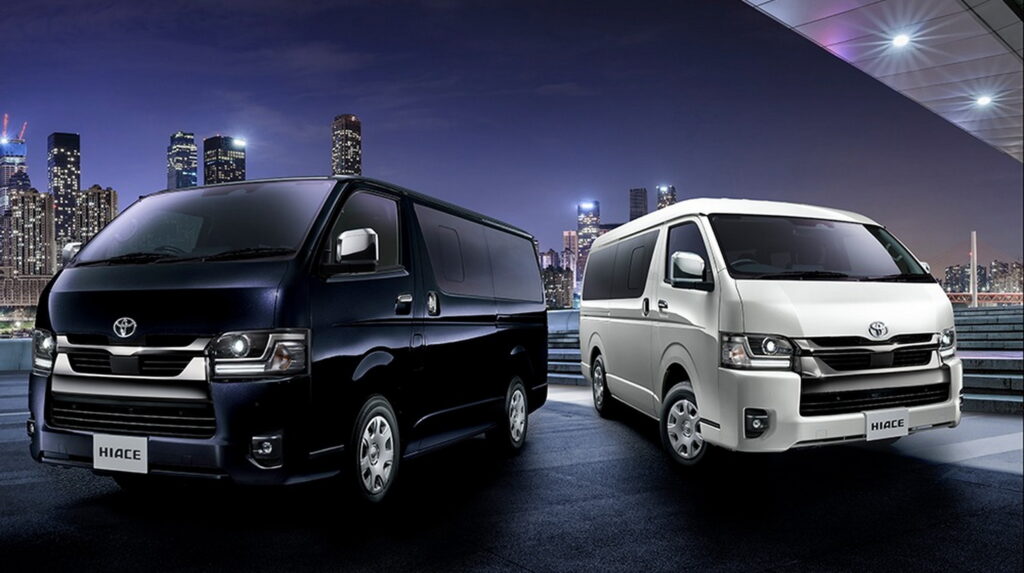

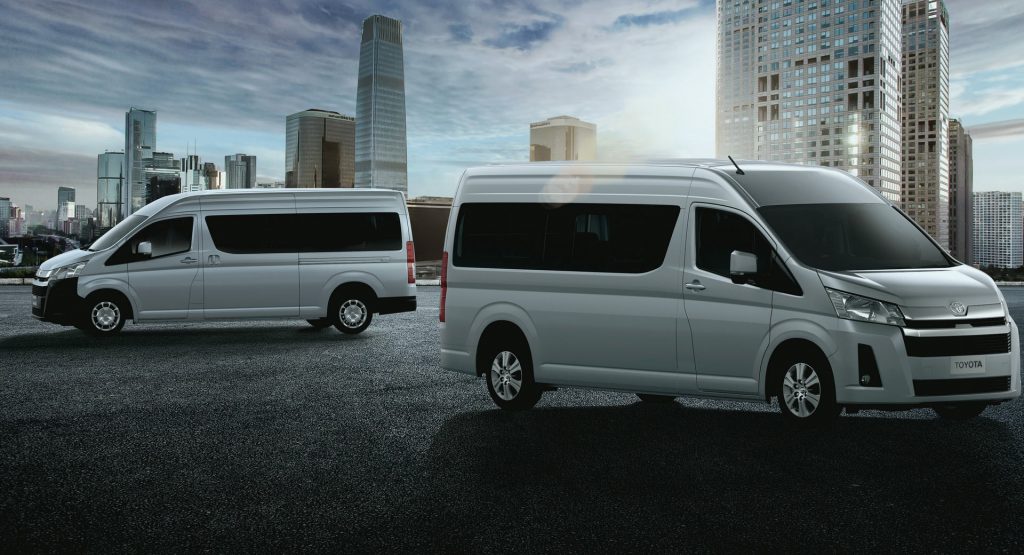

Replacing the HiAce after 22 years of production is not just a model update, but a true change of era for Toyota’s commercial transport. Abandoning the “cab-over-engine” layout in favor of the modern TNGA platform will radically change the vehicle’s handling, safety, and comfort. Although the electric version has been postponed for now, the arrival of a hybrid indicates that Toyota is trying to balance environmental friendliness and practicality. For the Japanese market, where the H200 remained a bestseller, this will be a particularly noticeable transition, as the new van is set to become more modern while simultaneously retaining its unwavering reputation as a reliable work tool.