


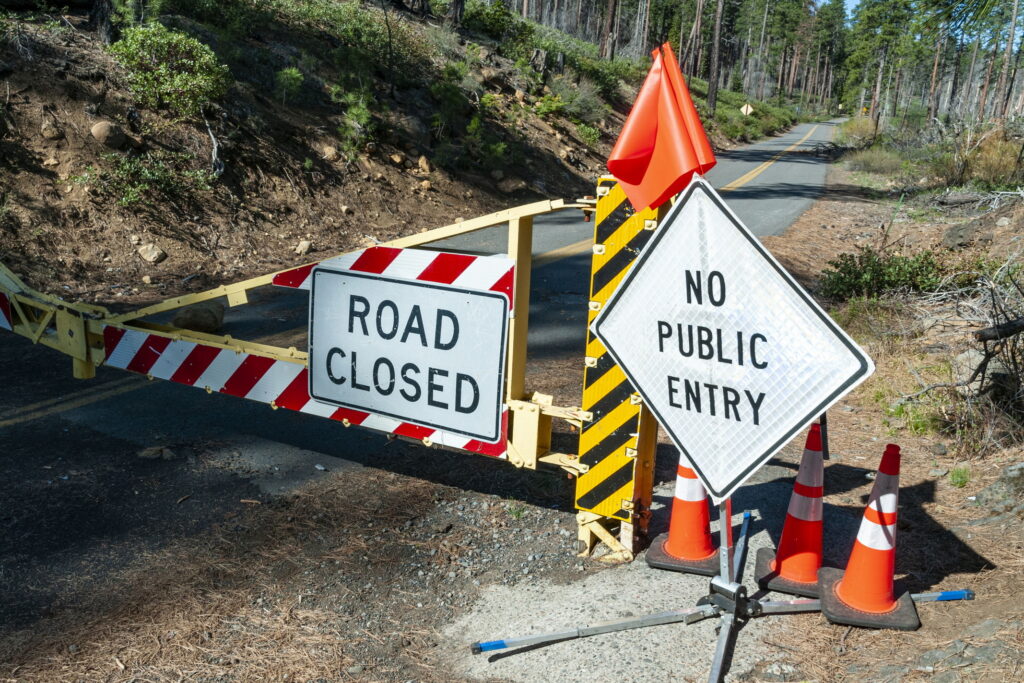
Cyclists ignore closed highways in Oregon: risk at McKenzie Pass
Objectively speaking, riding a bike in traffic can be dangerous. Cars are bigger, faster, and often driven by people who either aren’t paying enough attention or are deliberately aggressive toward cyclists. It’s easy to see why some cyclists jump at the chance to enjoy a scenic mountain road without any traffic.
The problem is that McKenzie Pass in Oregon is currently far from a cycling paradise. In fact, judging by photos released by transportation officials, this place looks more like a zone where you can encounter fallen trees, snowdrifts, logging equipment, and plenty of ways to get seriously injured in an instant.
Why ODOT is appealing to cyclists
According to KGW, that’s why the Oregon Department of Transportation (ODOT) is publicly asking cyclists to stop bypassing closed gates on Highway 242, also known as McKenzie Pass. This roughly 40-mile route through the Cascade Range is one of the state’s most scenic roads and has become a popular destination for cyclists.
In recent years, some riders have taken advantage of the annual winter closure to enjoy the highway before it reopens to cars. However, this year ODOT reports that some cyclists are going far beyond just riding on an empty road.
“People are bypassing closed gates, as well as additional barriers, and entering active hazard tree removal zones,” ODOT stated. “This is extremely dangerous because crews are working with heavy equipment and actively felling trees with limited visibility.”
Dangers on the road
Looking at the photos from ODOT, the road itself is riddled with hazards that would be nerve-wracking even in a car. For someone on a road bike entering a blind curve at high speed, encountering a tree trunk, a pile of branches, scattered rocks, or leftover snow on the asphalt could instantly turn into a life-altering crash.
For now, officials are asking cyclists and other visitors to resist the temptation of a traffic-free mountain road and wait until the gates open. A mountain highway without cars can be absolutely idyllic. But a mountain highway without cars, filled with chainsaws, logging equipment, fallen trees, and unexpected snowdrifts? That’s a completely different ride.
Photo: ODOT
The situation at McKenzie Pass is a striking example of the conflict between cyclists’ desire for a safe riding space and the real dangers posed by road maintenance operations. While the desire to avoid car traffic is completely understandable, ignoring closed zones and warnings can lead to tragic consequences. It’s worth noting that similar incidents occur not only in Oregon: in many mountain regions around the world, cyclists try to use roads closed for winter, without considering that utility crews or loggers are actively working there at that time. This is a reminder that even the most scenic routes can be deadly if safety rules and official closures are disregarded. Responsibility for one’s own life lies with every road user, whether behind the wheel or on a bike.