


Nissan accelerates new car development thanks to artificial intelligence and Chinese experience
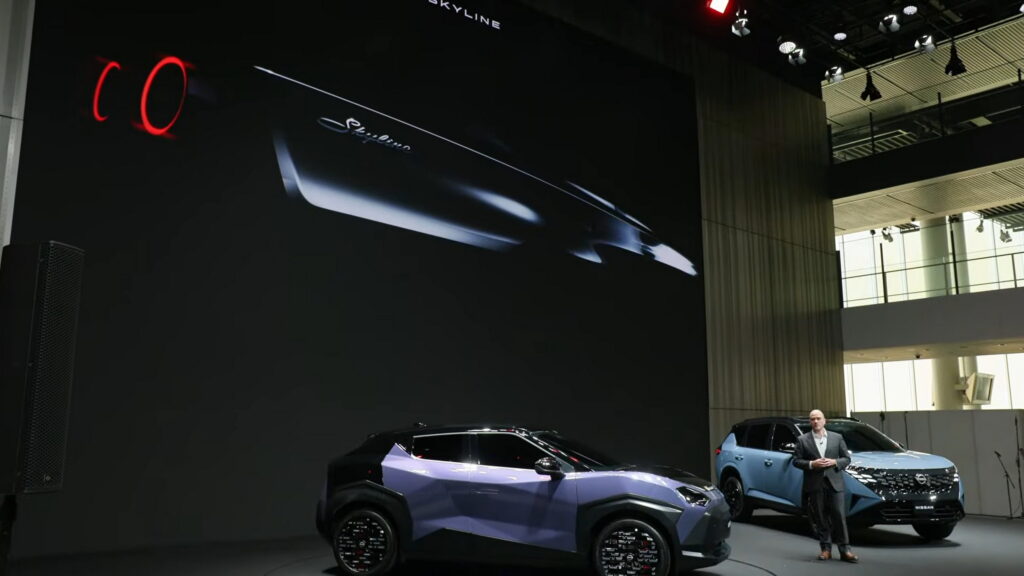
Automakers have always prided themselves on design, engineering excellence, and quality. However, increasingly, speed is becoming a key competitive factor. This is not about speed on the track, but about how quickly companies can develop new models. Nissan says it is adopting the experience of Chinese automakers to gain an advantage. The first proof of this will be a new generation of Skyline, which will arrive much sooner than expected.
Halving development times
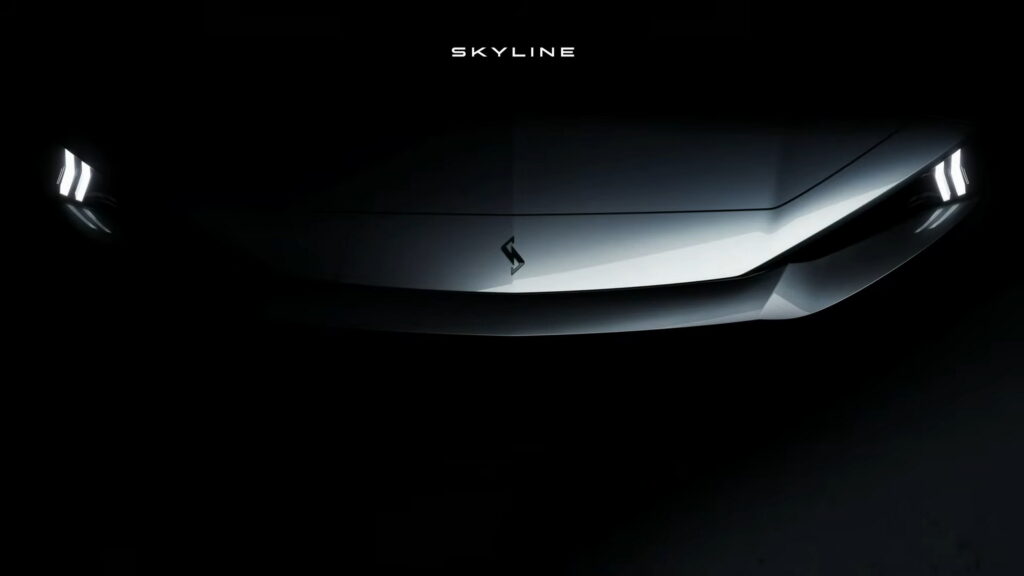
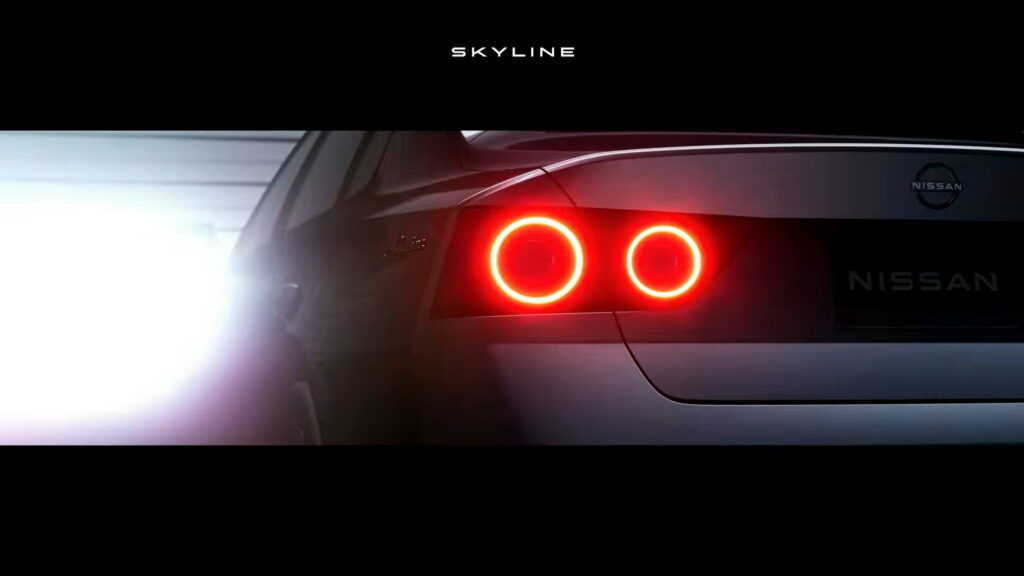
According to Nikkei, Nissan CEO Ivan Espinosa said the company aims to bring new cars to market in about 30 months. The first real example will be the new generation Skyline, which debuts this winter after just 26 months of development. This is significantly less than the 55 months it took to create the current model. American buyers will not get the Nissan Skyline under that name, but will be able to purchase the same car under the Infiniti brand.
Experience partnering with Dongfeng
Nissan has already felt the benefits of this approach through its partnership with Dongfeng in China. The development of the electric sedan Dongfeng Nissan N7 took only two years, roughly half the time Nissan would normally require.
A large part of this is based on the capabilities of artificial intelligence and the use of new tools, more digital tools at the design, testing and production stages, Espinosa said. China is currently setting industry standards for the future in terms of technology, cost competitiveness and development time.
It is clear why Nissan wants to apply these lessons on a global scale.

Sales problems and future plans
The automaker’s global sales fell 6% to 3.15 million vehicles in the past fiscal year, while sales in Japan fell 13%. Espinosa believes the problem is partly related to reputational damage and a lack of attractive new products. Don’t forget that there were recent rumors about a possible merger of Nissan with Honda and Mitsubishi, but the negotiations fell through.
Now the company hopes to change this trend with an aggressive product lineup that includes seven launches in about a year, a revived Skyline, new SUVs and pickup trucks, and later a new generation of GT-R. If Nissan can combine Chinese speed with the driving dynamics and heritage enthusiasts expect from models like the Skyline and GT-R, it could be a roadmap to regaining the popularity the brand enjoyed in past decades.
This approach demonstrates that Nissan is betting on technological transformation to catch up with Chinese competitors who are setting new standards for product time-to-market. Halving the development cycle is not just about saving time, but about the ability to respond more quickly to market changes and consumer preferences. In an environment where electric vehicles and new technologies appear every month, Nissan’s ability to release updated models every two to three years, rather than every five, could be crucial for its survival and recovery of its position in the global market. This is especially important for legendary models like the Skyline and GT-R, which must meet modern requirements without losing their DNA.