


Preliminary agreement with Iran will not immediately solve auto supply problems
This week, Donald Trump announced a preliminary agreement with Iran that could restore shipping in the Strait of Hormuz and end months of disruption. For those worried about fuel prices, this sounded like good news. However, for the automotive industry, the problems caused by the conflict may not disappear so quickly.
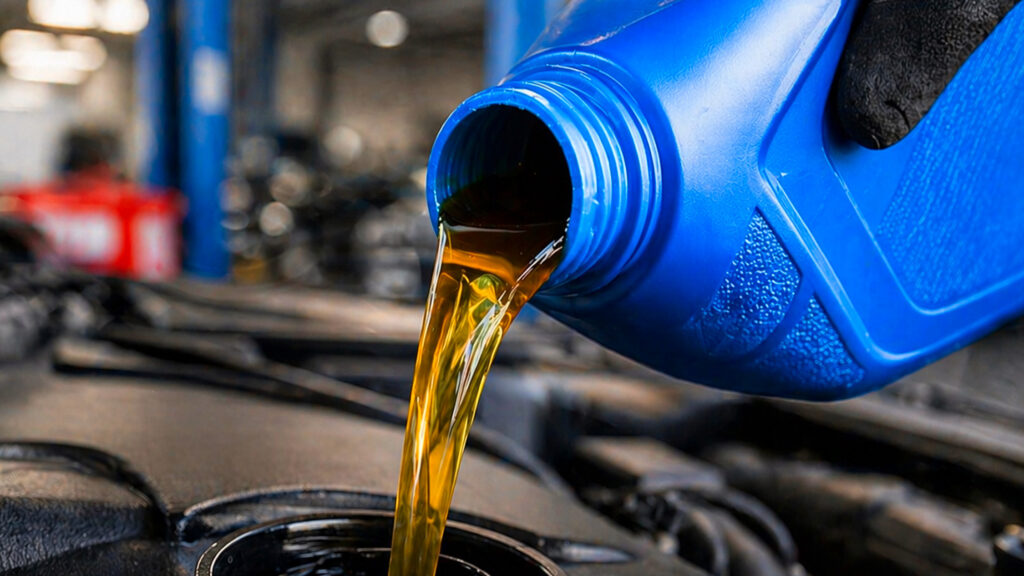
Some automakers were already taking emergency measures weeks before news of a possible deal emerged. Last month, reports emerged that Nissan had begun rationing supplies of certain synthetic oils to dealers, reducing volumes and instructing shops to prioritize warranty repairs, recalls, prepaid maintenance plans, and other key customers. Toyota also warned dealers of a potential shortage of some low-viscosity oils and offered possible substitutes.
Early signs of a wider supply crisis
At the time, these steps looked like sensible precautions. New reports from Reuters suggest they may have been early signs of a much wider supply crisis. The publication spoke to repair shops and industry executives in Japan, who described growing difficulties in obtaining everything from engine oil to paint-related products. One repair shop executive in Tokyo told Reuters that supplies had essentially stopped shortly after the conflict began.
«Oil supplies almost completely stopped after the war started in March. Nothing has been coming in since April,» Hiroyuki Nakamura of Shin Etsu Denso told the publication.
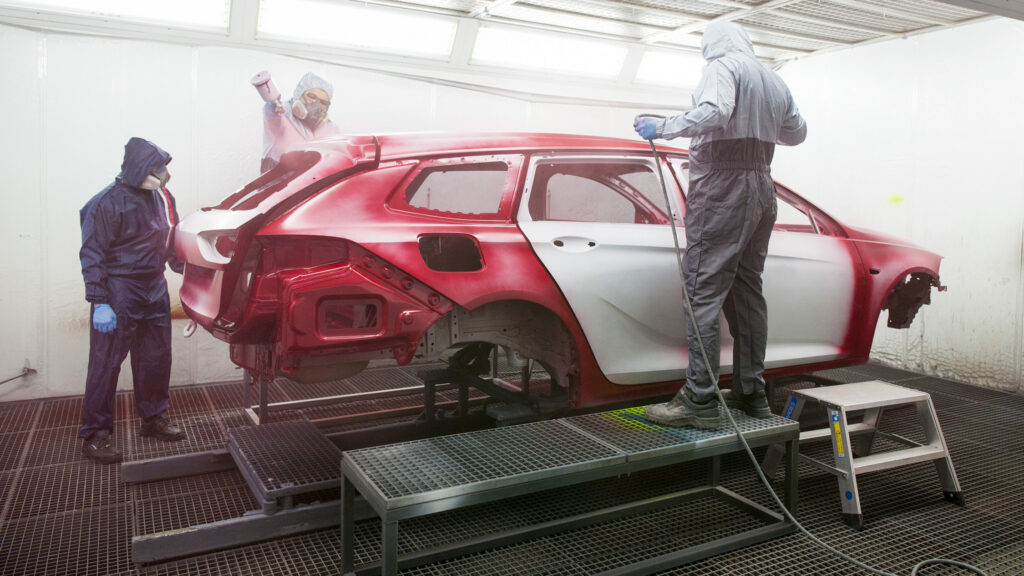
The shortage is not limited to lubricants. Some body shops are struggling to find materials needed for popular finishes, especially for pearl white cars. One repair shop told Reuters it was considering completing the repair first and postponing the painting until supplies improve.
Shortage of petroleum products
The problem goes beyond just oil supplies. The conflict has disrupted the supply of specialized petroleum-based materials used to produce synthetic lubricants, coatings, solvents, and other products needed for dealerships and repair shops to operate.
Even if ships begin moving freely through the Strait of Hormuz again, inventories remain depleted. Some companies have responded by buying up additional stock when possible, while smaller businesses are forced to compete for what is left.
Forecasts for the future
This is one reason why industry groups expect lubricant prices to remain high and supplies to remain limited until at least 2027. While a diplomatic breakthrough may eventually restore normal trade flows, drivers should not expect an immediate return to business as usual. The conflict may be subsiding, but the consequences for supply chains are just beginning. Our advice: do not crash your car.

Stellantis, Nissan
The current situation is a reminder of the fragility of global supply chains, especially in the automotive industry, which depends on a wide range of petrochemical products. Even after shipping in the Strait of Hormuz resumes, restoring inventories to normal levels will take time. This means that car owners, especially those requiring specialized oils or paints, should be prepared for possible delays in service and repairs. Automakers will likely be forced to rethink their inventory management strategies and diversify their suppliers to avoid similar crises in the future.