


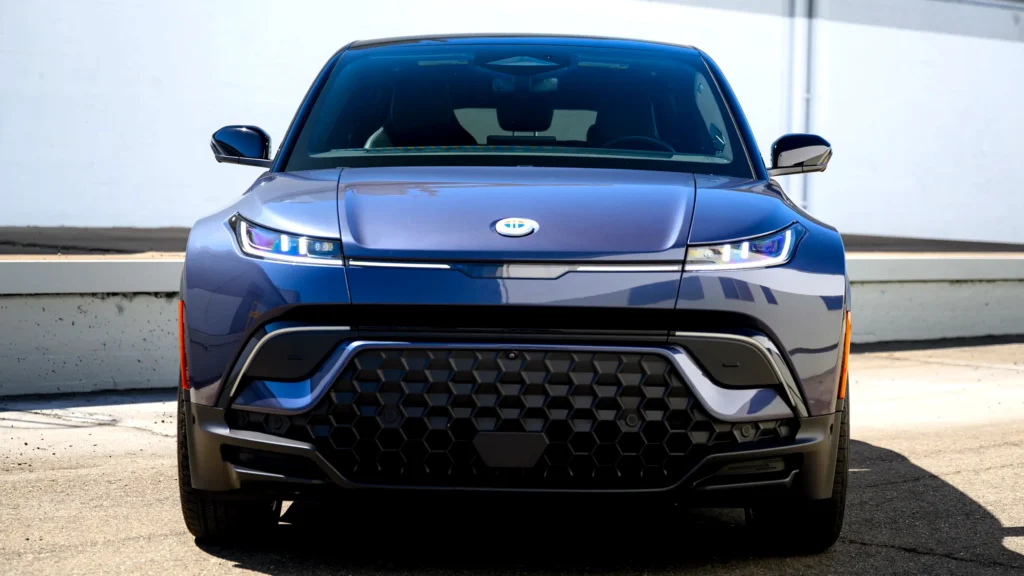
Fisker Ocean electric car loses over 77% of its value in just three years
When the company Fisker launched the Ocean One model, it promised exclusive design, a long driving range, and performance that justifies the high price. However, just three years later, one example with only 17,000 miles on the odometer sold for less than the cost of a new budget car. This is another reminder of how ruthless the used car market can be for vehicles from bankrupt manufacturers.
A 2023 Fisker Ocean One electric car was sold at auction on July 7 for just $15,800 after 30 bids. Its original price was $68,999, meaning a loss of more than 77% over approximately three years. Moreover, the car was not in poor condition or heavily damaged.
Technical specifications and equipment
This blue SUV with a black interior features all-wheel drive, two permanent magnet electric motors producing 564 hp (421 kW) and 736 Nm of torque. The 106 kWh battery pack provides a driving range of up to 360 miles (579 km) according to the manufacturer’s claims. Equipment includes a SolarSky sunroof, 22-inch wheels, a rotating 17.1-inch display, heated seats, wireless charging, a 360-degree camera system, and the signature California Mode, which lowers all side windows with a single button.
Vehicle condition and history
Sold on the Bring a Trailer auction, the car had only 17,042 miles on the odometer and a clean Carfax report with no reported accidents or damage. The listing notes that the inner door handles were replaced in May 2026, but otherwise, the SUV is presented as a well-maintained example with two previous owners. Overall, the package looks attractive, especially at $15,800, but owning a Fisker requires genuine lifestyle commitment.
Risks of ownership due to Fisker’s bankruptcy
Fisker’s bankruptcy left owners facing an uncertain future regarding software, spare parts, and long-term maintenance. While owner communities provide resources and independent support, buyers still assume significantly higher risk than with an electric car from an established manufacturer.
Nonetheless, there is no doubt that for the price paid, the buyer received a fair amount of “iron” and relatively low mileage. Whether this turns out to be one of the greatest automotive deals or one of the biggest headaches remains to be seen.
This situation underscores how a manufacturer’s bankruptcy can drastically devalue even a technically sound and nearly new car. For potential buyers of used electric cars from startups, this is an important signal: a low price may be attractive, but one must weigh the lack of official support and the risk of parts issues. At the same time, for those willing to take the risk, such offers could be a unique opportunity to get a premium car for minimal money, especially if independent communities continue to provide the necessary assistance.