 by
by The End of an Era for Volvo in the US
The Swedish automaker Volvo has officially announced the discontinuation of wagon sales in the US market. Starting next year, the company will stop taking orders for the last available model of this body style, thereby closing a chapter of history that shaped the brand’s image for decades.
The Last Chance to Order a New Wagon
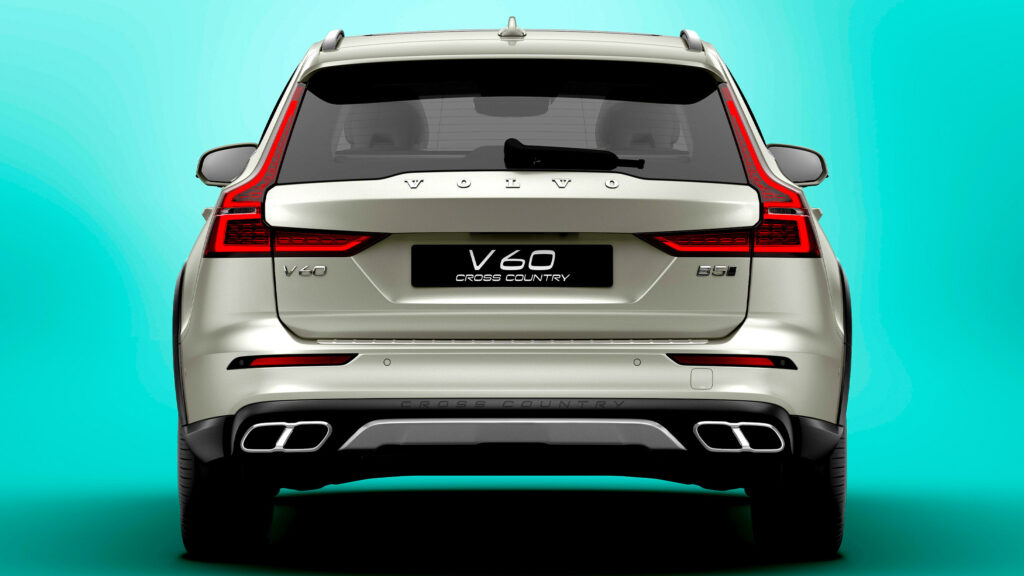
The V90 model disappeared from the American catalog back in 2021. Now it’s the V60 Cross Country’s turn. Orders for this model will only be accepted until the end of January 2026, and production of cars for the US will be completed in April. After that, new Volvos in the wagon body style can only be found in dealer stock, where they will remain for a few more months.
Volvo calls this decision “bittersweet,” acknowledging the cultural weight of these cars.
Evolution of Market Preferences
This decision is not sudden. Volvo explains it as a long tradition of adapting to American tastes, as buyers in the US overwhelmingly prefer SUVs and crossovers. The brand’s first SUV, the XC90, appeared back in 2003 and changed the game. Crossovers have taken over the functions once performed by wagons, but bring greater profit.
Cultural Heritage and Practicality
Volvo wagons have always been more than just practical cars. They became a cultural phenomenon. This includes the iconic “brick” 240, which transported half of America’s suburbs, and the turbocharged families of the 740, 850, and V70, which could give sports cars a run for their money. Even the modern V60 carries this DNA, combining practicality with Scandinavian style.
Volvo’s argument is that SUVs are more beneficial for customers: easier access, a higher driving position, better perceived safety. From a business point of view, abandoning wagons is a logical step, especially against the backdrop of focusing on SUV production in the US, such as the XC60 and the electric EX90.

The Future of Wagons Outside the US
It is important to note that Volvo is not abandoning wagons altogether. The brand remains faithful to this body type in other world markets, where they are known as “estates,” “shooting brakes,” or “kombis.” Their disappearance specifically in the US may be perceived as particularly painful for brand enthusiasts, as this is the market that once shaped the popularity of these cars.
This raises a fundamental question: do Americans really not like wagons, or have they simply stopped being offered sufficiently good and modern models? After all, wagons often perform the same key job as SUVs, but with smaller dimensions, better on-road handling, and often higher fuel efficiency.
The final disappearance of Volvo wagons from American roads symbolizes not only a change in one manufacturer’s model range but also a deep transformation of the entire country’s automotive landscape. It demonstrates how global trends and economic expediency shape the offering even for niche but loyal audiences. At the same time, the continued sales of these models in Europe and other regions confirms that the issue is not with the body type itself, but with regional characteristics of consumption, infrastructure, and cultural preferences. Such decisions often become a catalyst for discussions about the future of the automotive industry as a whole, especially in the context of the transition to electric vehicles, where aerodynamics and efficiency could once again bring low and practical forms to the forefront.