


Scammers are targeting drivers via SMS
Scammers are constantly looking for new ways to deceive, and they rarely rest even during the holiday season. Now, one of their schemes has become so aggressive that Illinois Secretary of State Alexi Giannoulias issued a public warning that concerns not only the residents of his state.
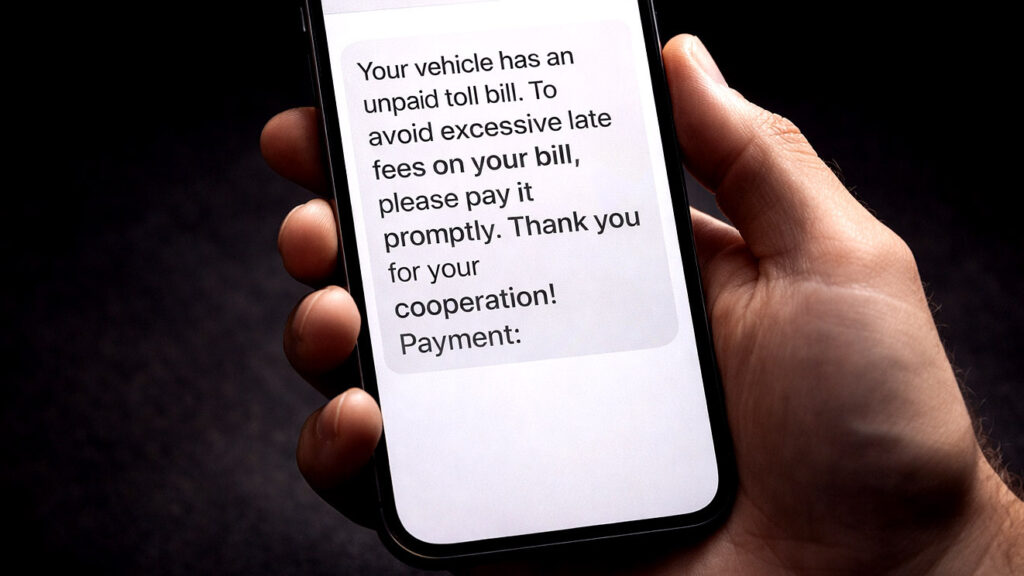
Every day, people receive text messages about traffic violations and unpaid road fees. According to Giannoulias, these SMS messages are almost certainly phishing attacks designed to make honest citizens transfer money to criminals.
What the scam looks like
Fraudulent messages typically warn drivers that their vehicle registration or driver’s license is at risk of immediate suspension if payment is not made right away. To increase pressure, the messages often use official language and links that look legitimate but actually lead to fraudulent payment pages or data collection sites.
Holiday season is a time of high scam activity
Giannoulias notes that these frauds tend to increase during the holiday season when people are distracted, traveling, or facing higher-than-usual expenses.
Phishing scams remain a constant threat, especially during the holiday season, when criminals relentlessly try to steal the personal information and hard-earned money of Illinois residents


The official also explained that his office never sends SMS messages related to driver’s license status, vehicle registration issues, fee payment violations, fines, or enforcement actions. The only texts sent by the office are simple reminders about scheduled DMV appointments. In other words, any message purportedly from the state regarding unpaid fines, fees, or license suspensions, especially those demanding immediate payment, should be considered suspicious.
What to do if you receive such a message
Residents are advised not to click on the link, not to reply to the message, and not to provide any personal information. Instead, those who have received a similar message should take at least one of several actions. First, report it to the Federal Trade Commission. This may seem minor, but it helps authorities track trends and potentially stop scammers at the source. Second, if there are any doubts about the text’s legitimacy, call the government agency related to the message, but do so using the contact information found on their official website, not the one provided in the text itself.
Such warnings remind us of the importance of cyber hygiene in everyday life. Technology gives criminals new tools, but the basic principles of caution remain unchanged: official bodies rarely use SMS to collect payments, and any pressure for immediate action should raise alertness. Spreading information about such schemes among relatives and friends, especially those who feel less confident in the digital environment, is a simple but effective safety measure for the entire community.