


The Winter Olympics are underway, and Norway is dominating the medal count. However, for some athletes, a gold medal can mean not only sporting glory but also very substantial material rewards from their countries.
What Do the Winners Get?
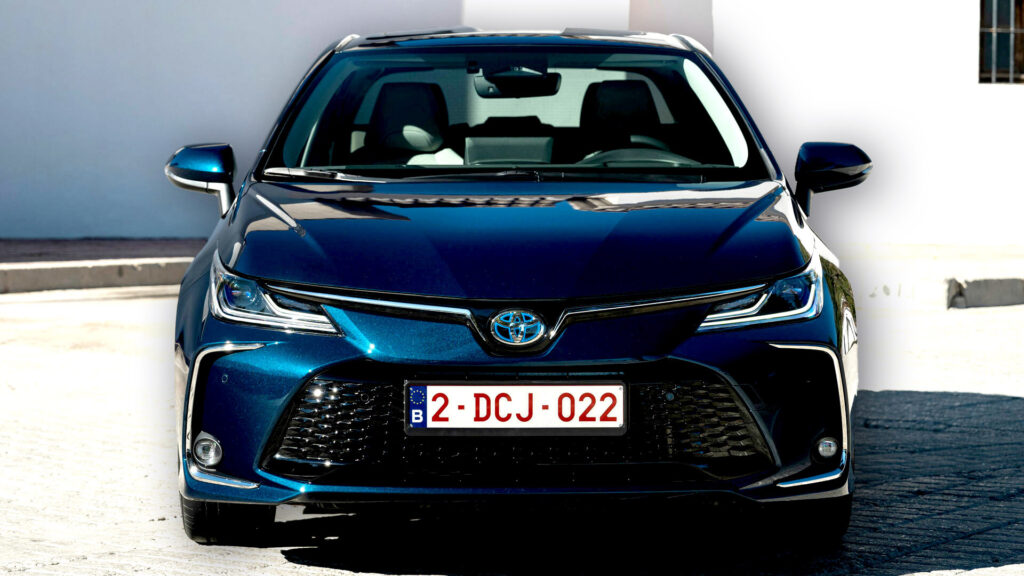
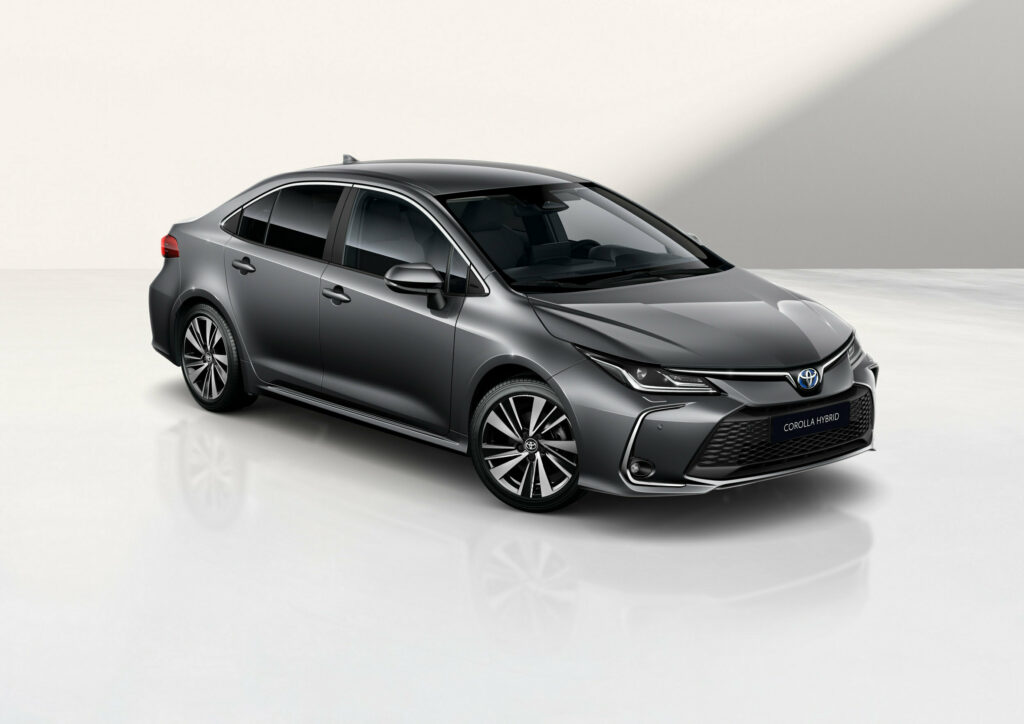
Gold medalists from Poland, according to reports, are receiving a truly royal prize package. In addition to a cash reward of $211,000 USD, they are also promised a two-room apartment and a new Toyota Corolla.
In addition to a payment of $211,000 (750,000 PLN), they are reportedly also being provided with a two-room apartment and a Toyota Corolla.
The 2026 hybrid version of the Corolla costs $33,650 in Poland and is equipped with a 1.8-liter hybrid powertrain that delivers 138 horsepower. This allows the sedan to accelerate from 0 to 100 km/h in 9.3 seconds and have a fuel consumption of 4.4 L/100 km.
While most athletes are probably more interested in the money and the apartment, a free car is also a nice bonus. It is also reported that the winners will receive jewelry, a painting, and a “tourist voucher.” The latter sounds like a great way to relax after years of training that have finally paid off.

Incentives from Other Countries
Unfortunately, at the time of writing, Poland had only four medals, and none of them were gold. However, there is plenty of incentive for their athletes to perform their best.
Some countries offer even larger financial rewards. Singapore, according to reports, gives gold medalists $792,000, while winners from Hong Kong receive $768,000. In third place, significantly behind, is Malaysia with a reward of $256,000, but that amount is quite enough to buy a Corolla and get some peace of mind.
Medal Payouts in Different Countries
Here is what the rewards for medalists look like in 2026 in various countries around the world:
The discrepancies in reward amounts reflect not only the economic capabilities of the countries but also the different priority they place on sporting success on the world stage. Such significant bonuses, especially in East Asian and Eastern European countries, can be a powerful incentive for athletes who often train under difficult conditions and place great hopes for future financial stability on Olympic medals. This also raises questions about the professionalization of sports and the role of state support in achieving high results.