


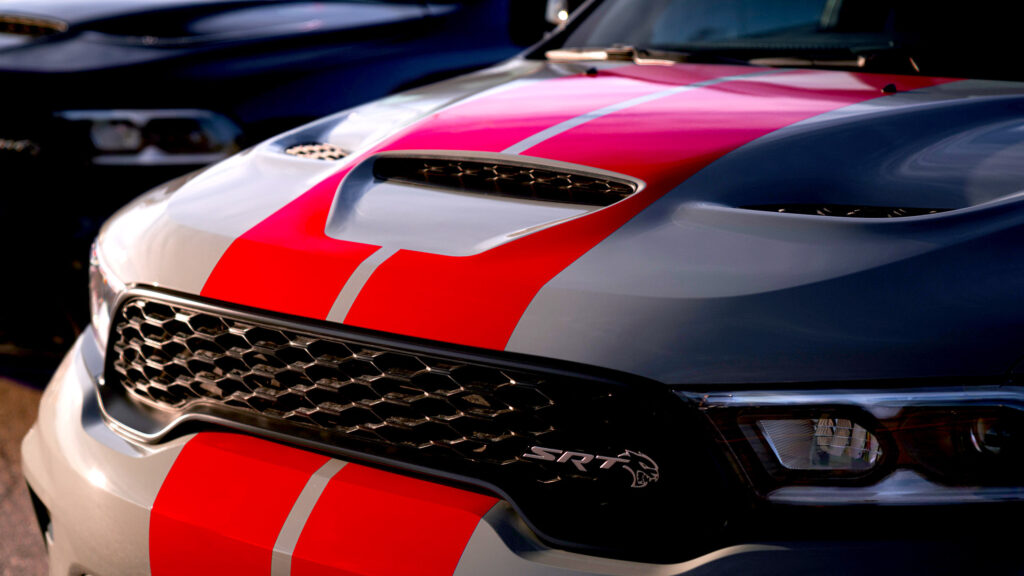
A story about buyers of the powerful Dodge Durango Hellcat SUV who paid large markups over the recommended price but were unable to recover their losses through the courts.
The Case in Court
Stories of overpaying by thousands of dollars over the manufacturer’s suggested retail price are not uncommon. This time, even the court did not side with the buyers. A group of Hellcat owners tried to sue Dodge because they paid high markups for a model they believed was a limited edition. However, their claims were dismissed.
The Dodge Durango Hellcat owners alleged that the manufacturer committed fraud by stating that 2021 would be the model’s only year of production and then resuming production from 2023. The judge dismissed the lawsuit and ruled in favor of Dodge.
Dodge Challenger Hellcat Prices Are Crashing And Buyers Are Loving It
When Dodge introduced the Durango SRT Hellcat in 2021, it caused a sensation in the world of high-performance SUVs. It showcased (and largely still does) unmatched performance in its segment.

A Limited Series That Stopped Being Limited
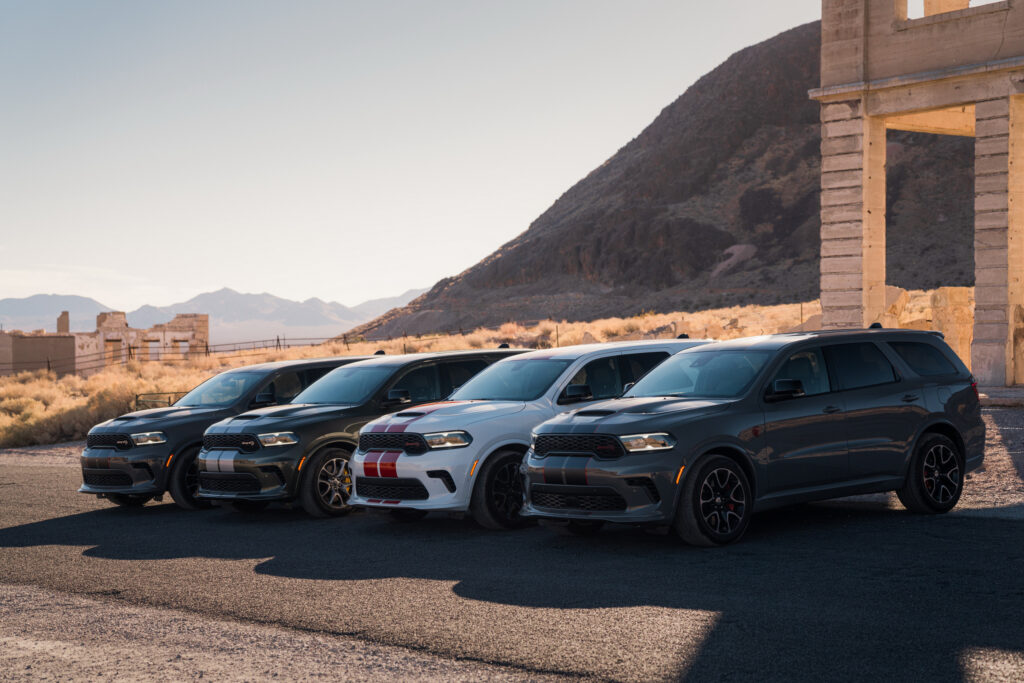
Dodge also made it clear that this was a one-year release, limited to 3000 units. This message prompted some buyers to agree to very high prices. It was recorded that early owners purchased cars for around $114,225, while the base MSRP was $80,995 excluding destination.
In 2023, Dodge resumed production of the Durango Hellcat for the new model year. What was sold as the “one and final” Hellcat-series car now became simply the “original” version. A group of seven plaintiffs sued Stellantis and its Fiat Chrysler division, claiming they paid markups because Dodge presented the 2021 limited edition as a future collector’s item.
2029 Dodge Durango Picks Up Charger Cues And It Works Surprisingly Well
On January 29, federal judge Jennifer Hall ruled that the automaker did not lie or violate any warranties by resuming production. She noted that statements about the limited run of the 2021 model were truthful at the time they were made and did not constitute legally false advertising or consumer fraud. In other words, there was no evidence that Dodge attempted to deceive buyers.
An Expensive Lesson
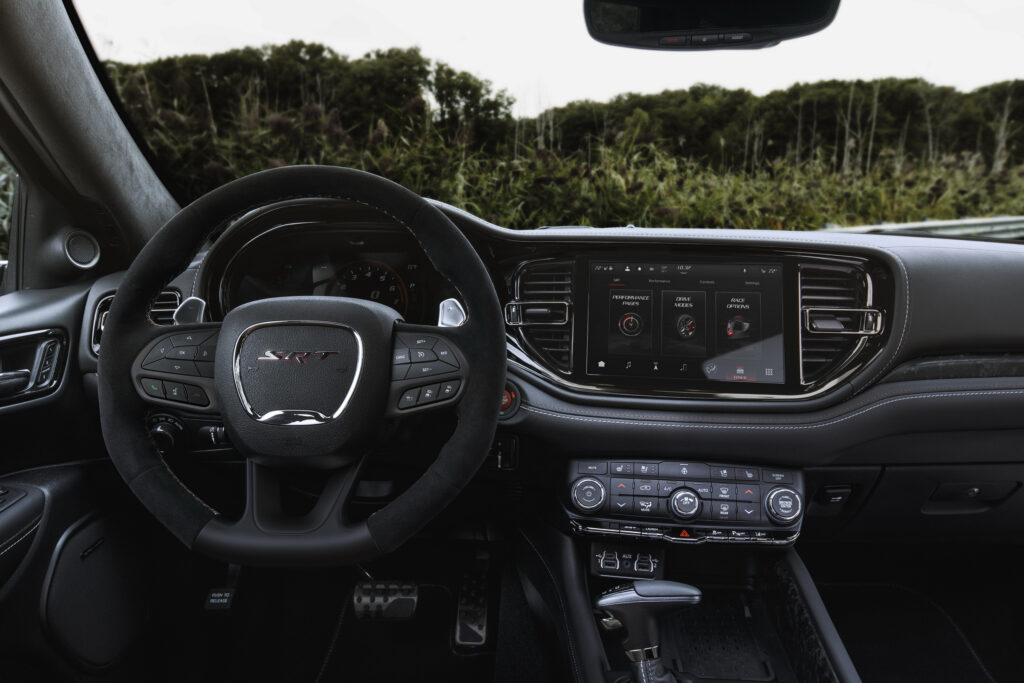
As a result, everyone who paid over the recommended price, whether they filed a lawsuit or not, was left with an expensive SUV whose value has dropped, even if it was perfectly preserved with low mileage. Some commentators find it strange that the owners filed claims against Dodge at all.
One could argue that dealers should also bear responsibility if buyers want to blame Dodge. Furthermore, no one forced these people to buy the car.
Perhaps now some of them, if they kept these SUVs sealed, will go out and get more enjoyment from their Hellcats. That’s probably what the Dodge brothers would have wanted too.
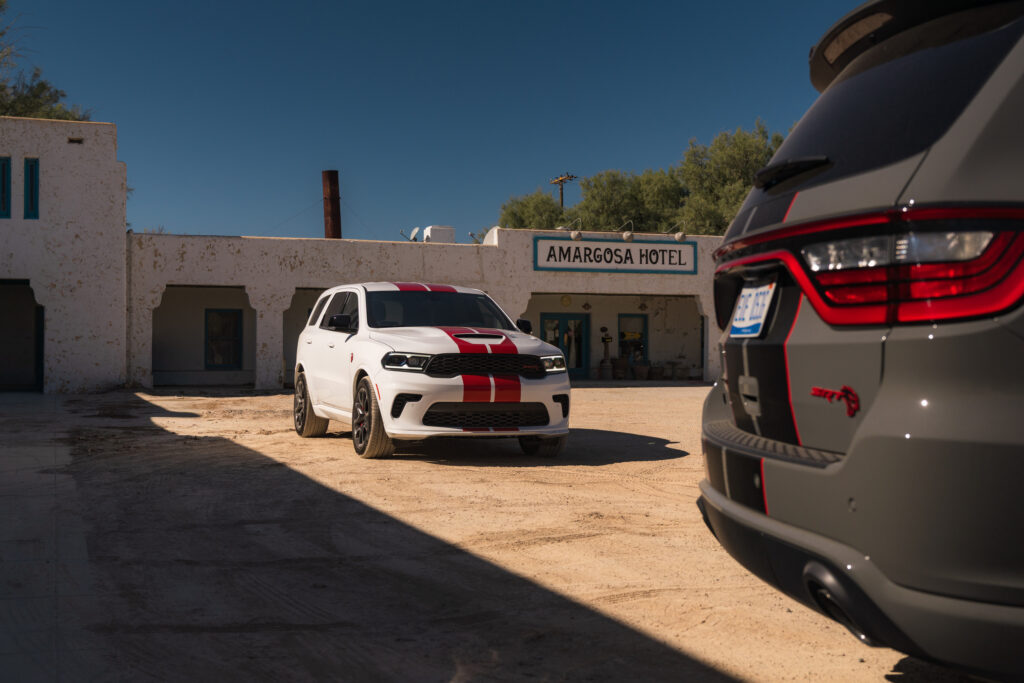
This situation clearly illustrates the risks associated with investing in new cars, especially those positioned as limited editions or future collector’s items. Market value depends on many factors that the manufacturer cannot always influence or guarantee. The court’s decision underscores the importance of understanding that marketing claims about a “last chance” or “one-time release” are often based on the company’s current plans, which may change a few years later due to economic feasibility or a shift in strategy. Buyers considering a car as an investment should carefully study the brand’s history regarding similar promises and remember that dealer markups are a result of supply and demand, not a direct action by the manufacturer.