


Start of Kia Tasman Sales in Australia
The mid-size Kia Tasman pickup has faced difficulties in the Australian market, and the company has openly acknowledged this. Despite fierce competition in the segment, the vehicle’s design decisions may play a significant role.
The company also denied rumors that spread after Kia used AI-generated images to show the pickup with an updated design. Despite the speculation, the brand insists that a facelift is not planned in the near future.
Alternative Concept from a Designer
This situation inspired independent digital artist Theophilus Chin to reimagine the truck, using stylistic elements from the latest generation of the Kia Telluride SUV.
For this project, Theottle revived the Mohave name. It first appeared on the KCV4 Mojave concept pickup back in 2004, and later on a body-on-frame SUV sold in North America under the name Borrego.
The renders create the impression that a Telluride was transformed into a pickup by replacing the unibody construction with a more robust body-on-frame platform.
Details of the New Concept’s Design
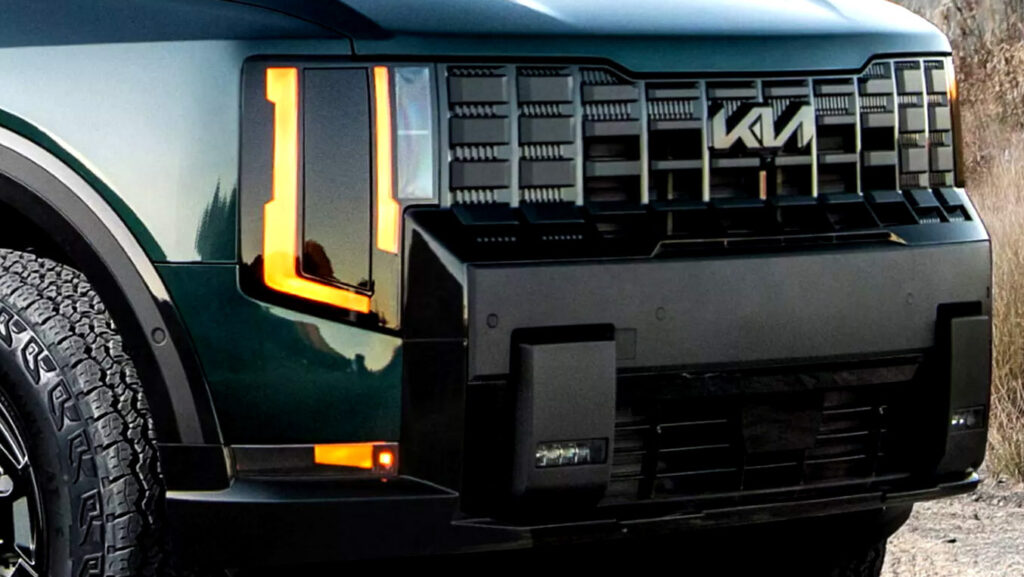
Vertical LED headlights and a massive front bumper complement the double-cab construction, while smoother, more restrained side panels give the vehicle a sophisticated look.


At the rear, Theottle carried over the distinctive LED taillights from the Telluride, combining them with a special off-road bumper and a functional tailgate featuring the KIA lettering in block letters. Interestingly, he based the proportions for these renders on the Volkswagen Amarok’s dimensions, not the actual Tasman’s.


Problems with the Original Tasman Design
Kia’s initial idea for the Tasman was to create a design that would not resemble other vehicles on the market. In this regard, the designers certainly succeeded. However, details such as square plastic fenders, a high front end, overly small headlights, and a decorative hood trim reminiscent of a horn have raised concerns among potential buyers.
Future of the Model and Kia’s Plans
According to Kia, the Tasman still has a long road ahead, and several updates are already being prepared. These include a hybrid powertrain, a more off-road-oriented trim inspired by the Weekender concept, and a possible future facelift.
Ideally, these changes will help the Tasman hold its ground against sales leaders like the Ford Ranger and Toyota Hilux, which dominate the Australian pickup market.
For now, the question posed by Theottle remains open: “Could a more conventional, SUV-inspired look have generated greater interest among buyers?”
The pickup market has always been conservative, and success often depends on a delicate balance between innovation and familiar buyer-friendly features. Kia’s experience with the Tasman shows that radical design can be a double-edged sword. On one hand, it makes the vehicle stand out; on the other, it can repel those seeking proven solutions. Plans for electrification and special off-road versions indicate a strategy of adapting to market demands. The success of these initiatives may determine whether the Tasman becomes a worthy competitor or remains a niche model in the shadow of the segment’s giants.