



Small Texas town cancels contract for license plate reader cameras
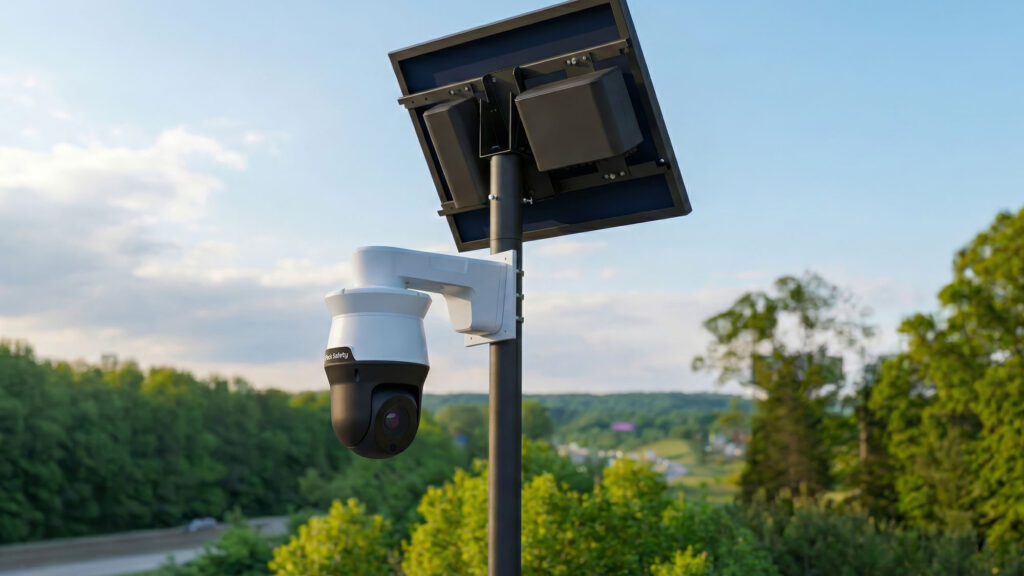
In the tiny town of Bandera, Texas, with a population of about 900, local authorities terminated a contract with Flock Safety to install eight AI-powered license plate reader cameras. This decision came after months of pressure from residents who opposed surveillance and intrusion into private life.
One city council member, who voted against terminating the contract, responded with a sarcastic proposal: to ban phones, the internet, and cameras. This conflict reflects a nationwide debate about the balance between security, privacy, and trust in authority.
Technology as a double-edged sword
Technology is a double-edged sword. On one hand, it promises enhanced security, and on the other, it jeopardizes privacy. This debate rages across the U.S. regarding automatic license plate readers, but perhaps nowhere has it been as amusing as in Bandera, Texas.
The small town of about 900 residents pressured local authorities to terminate the contract with Flock Safety. When this measure was adopted, one council member who voted against it responded with a proposal that sounds like satire written after three espressos and sleepless days.
The town voted to expel Flock
By a vote of 3 to 2, Bandera immediately terminated the contract with Flock Safety, ending an increasingly bitter battle over the AI-powered license plate reader cameras installed throughout the city. Residents repeatedly attended meetings to express concerns about surveillance, privacy, and government intrusion. Some opponents went even further.
According to 404 Media, which first reported the situation, the poles on which the cameras were mounted were repeatedly vandalized or cut down.
Why cities are suddenly disconnecting Flock Safety cameras
Bandera installed eight Flock cameras thanks to a public safety grant from the State of Texas. But despite state funding that helped launch the project, resistance grew. Residents argued that the city already had an extremely low crime rate and did not need what some called a “surveillance grid.”
At last week’s meeting, tensions peaked. One resident asked how many more meetings it would take for officials to understand that the community simply did not want this system. Another expressed himself in language perfectly understood by internet culture. Flock “does not pass the vibe check,” he said. When residents got what they wanted, council member Jeff Flowers told them exactly what he thought.
Council member proposes returning to 1880
In a public letter titled “Bandera Declaration of Digital Independence,” he argued that if residents truly cared about privacy, they should go all the way and abandon modern technology. Flowers stated he would propose “a complete ban on all devices with cellular and GPS capabilities,” ban outward-facing cameras, and eliminate internet services and electronic document management.
His vision? To return Bandera to something closer to 1880, with paper ledgers and cash transactions.
This is where the argument hits a dead end. The proposal that Flock opponents should also give up smartphones, GPS, and the internet sounds witty for about six seconds before the comparison completely collapses under its own weight.
An ordinary person walking around with an iPhone is not the same as an automated surveillance network designed to capture thousands of images daily, catalog them, and make them searchable. One is a tool that people choose to carry with them. The other exists specifically for observation, collection, archiving, and large-scale analysis of movements.
Similar clashes have erupted across the country as local authorities implement AI-based surveillance tools and residents resist. The difference here is that most officials do not respond with threats to drag an entire town back into the 19th century, even (presumably…) jokingly.

This story from Bandera is a vivid example of how technological solutions, even those funded by the state, can encounter serious community resistance when they are perceived as a threat rather than protection. The council member’s sarcastic response, though amusing, actually underscores a deep chasm in understanding between advocates of total security and defenders of privacy. The real challenge is not to choose between 1880 and total surveillance, but to find a reasonable balance that considers both security needs and citizens’ fundamental rights to privacy. This case will undoubtedly become another argument in the debates that will continue for a long time.