


Stellantis may sell factories in Europe to Chinese companies
Stellantis is considering selling several of its European factories to Chinese manufacturers, and this is not an isolated case. A growing number of traditional automakers with significant industrial capacity in Europe may follow the same path, providing Chinese brands with easy access to the market.
Stellantis and Leapmotor plans
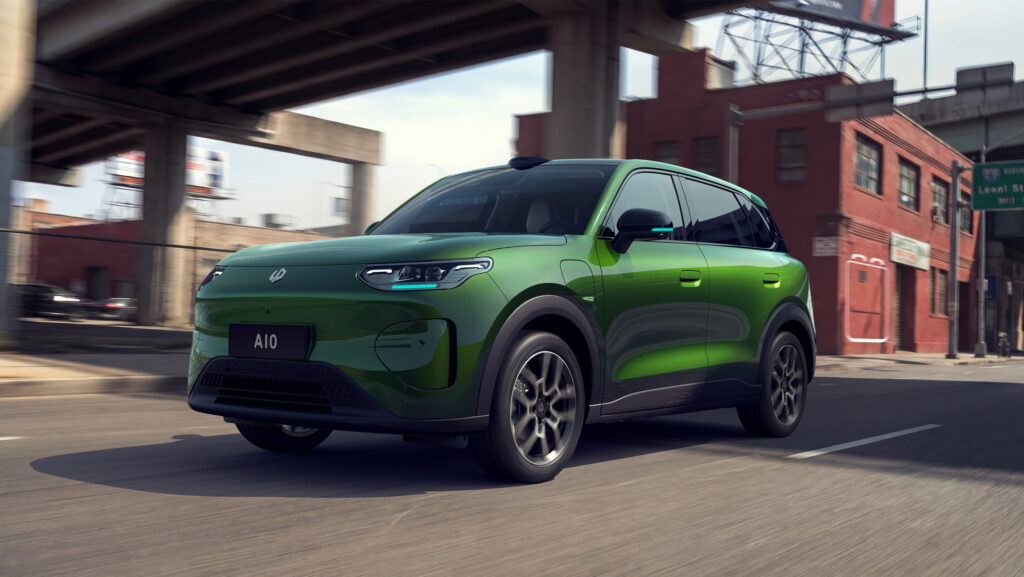
In addition to announcing plans for the next Opel electric car to use the Leapmotor platform, Stellantis reported late last week that several Leapmotor cars will be manufactured at its plant in Villaverde, Madrid. Furthermore, Stellantis stated that it plans to transfer ownership of the plant to the Spanish subsidiary of its joint venture with Leapmotor.
Stellantis cuts 650 Opel engineers in Germany, then hands its next electric car to China
The manufacturing ties will not stop there. Bloomberg has learned that Stellantis is also considering selling factories it operates in France, Germany, and Italy to the Chinese company Dongfeng, a long-time partner of the automaker.
Other brands follow suit
Several other brands in Europe are considering doing the same or have already done so. For example, Chery acquired the former Nissan plant in Barcelona, Spain, back in 2023, enabling it to produce up to 200,000 cars annually. Additionally, Nissan is reportedly considering selling its Sunderland, UK, plant to Chery or Dongfeng.
Ford and VW doing the same
It was also recently reported that Ford will sell an assembly line at its Valencia, Spain, plant to the Chinese company Geely. The company is reportedly set to build a multi-energy vehicle at this site, using its global intelligent new energy architecture. Such a model will likely be offered with hybrid, plug-in hybrid, and electric powertrains.
Even Volkswagen is considering how to connect its Chinese partners with its European operations, potentially producing or importing some of its newer models from China to the region. While cooperation with Chinese companies is a better option than closing factories, automotive industry expert Bernard Jullien notes that it carries risks.
“For manufacturers, suppliers, workers, and local officials, it is tempting to prefer a sale to a Chinese player rather than disappear,” he said. “But this means helping a formidable competitor right here, in the heart of Europe, by providing a powerful accelerator for penetrating our markets.”
This trend indicates a profound transformation of the European automotive market. Instead of closing factories due to overcapacity and high costs, traditional manufacturers are opting for strategic partnerships or even selling assets to Chinese companies. This allows them to preserve jobs and production capacity, but simultaneously accelerates the penetration of Chinese brands into the European market, which may have long-term implications for the competitiveness of local manufacturers. While pragmatic in the short term, this approach could lead to a gradual loss of technological leadership and control over key market segments by European companies.