


The History of the Automobile and the 140-Year Anniversary
The history of the automobile is never reduced to a single moment, even when a round date tempts us to think so. Mercedes is celebrating 140 years since Karl Benz first drove his Patent-Motorwagen on the road, which the brand often calls “the world’s first automobile.” However, this claim has long been a subject of debate among enthusiasts. Even Mercedes itself acknowledges that history is more nuanced.
The Complex Origins of the Automobile
On its own website, the company acknowledges that the automobile did not simply appear in 1886. It states that numerous predecessors existed long before Karl Benz. This applies to both steam road vehicles and earlier experimental self-propelled machines, including the three-wheeled steam cart of the Frenchman Nicolas-Joseph Cugnot from 1769 (or possibly 1770).
Innovations in Retrospect
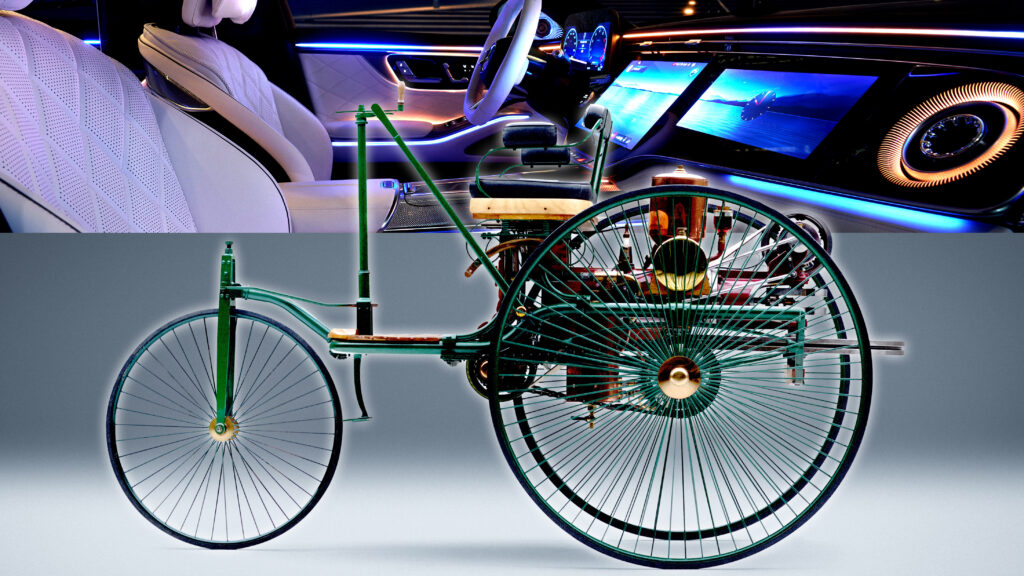
Looking at the Mercedes No.1 car today with its huge thin wheels allows us to appreciate this multi-layered history. It is a vivid reminder of how far the car has come since Benz’s first drive in 1886, but it also raises a more fundamental question. Given the multitude of ideas, inventions, and improvements accumulated over more than a century of experiments, which single innovation has most transformed driving?

The Evolution of Technology and Accessibility
Early breakthroughs were about simply making cars usable. Four wheels provided stability. The steering wheel replaced the awkward tiller. Then came the electric starter, which spared drivers from having to crank the engine by hand and risk injury, as well as synchronized or fully automatic transmissions. Suddenly, cars were no longer just for the brave and mechanically gifted, but for everyone.
Changes in Design and Aerodynamics
Design made its own leap forward when cars stopped looking like horse-drawn carriages and began to slice through the air. Windshields, enclosed bodies, and integrated fenders radically changed the look of cars, even before wind tunnels began to significantly influence the styling process.
From 10 mph to 300 mph
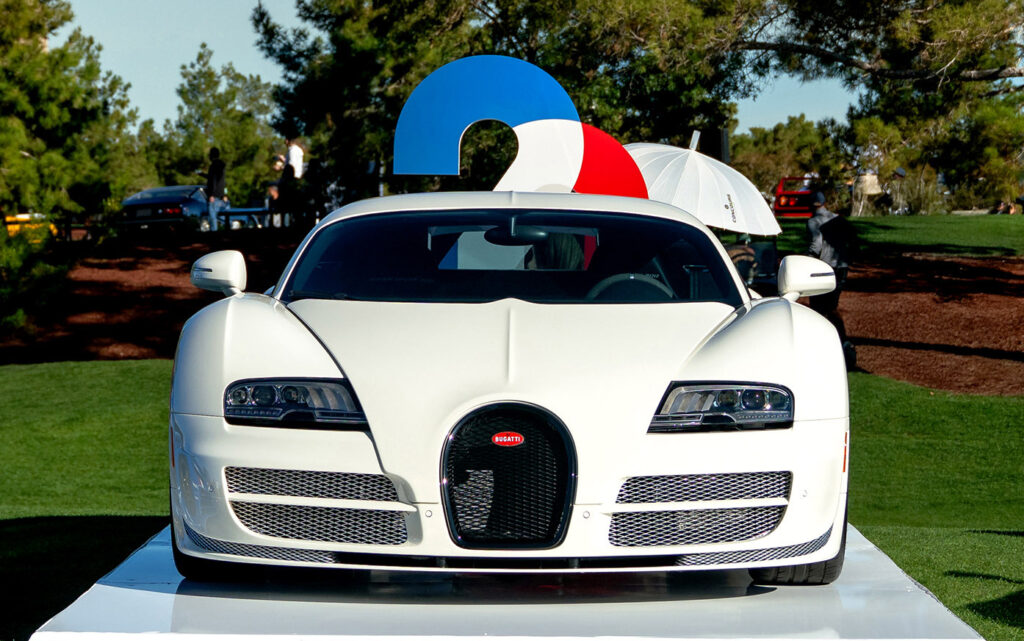

And one cannot forget about power and speed. That first car from 1886 had less than 1 hp and reached a top speed of only 10 mph. Today, even the most ordinary economy car has 100 times more power and is 10 times faster, while hypercars produce 2000 hp and in some cases can exceed 300 mph.
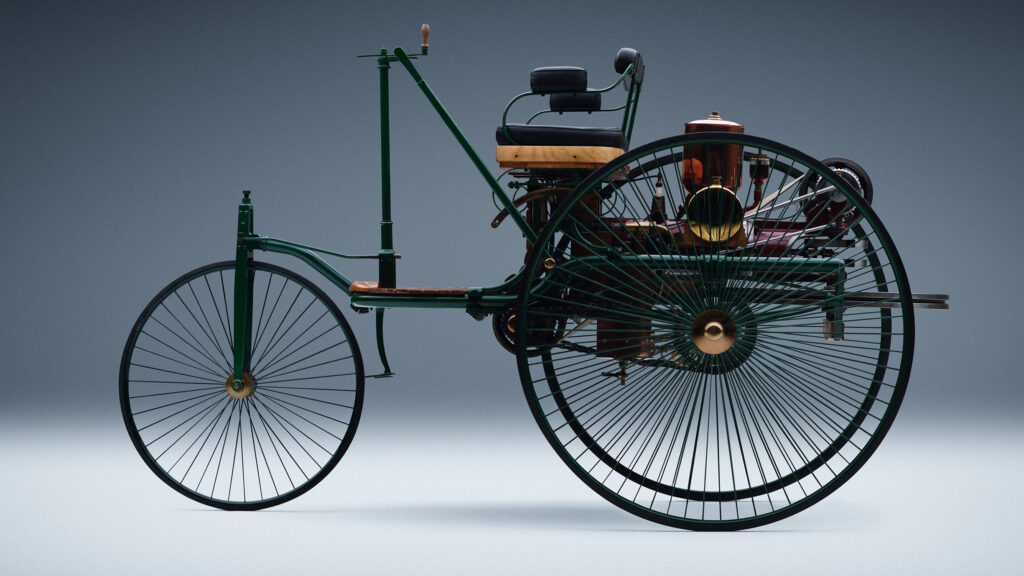
Such achievements would be terrifying with the safety system that was on Benz’s Motorwagen. The 1886 original had solid rubber tires and lacked a braking system on any of the three wheels; the only way to slow it down was to pull a simple lever that created friction on the drive belt.

The Safety and Comfort Revolution
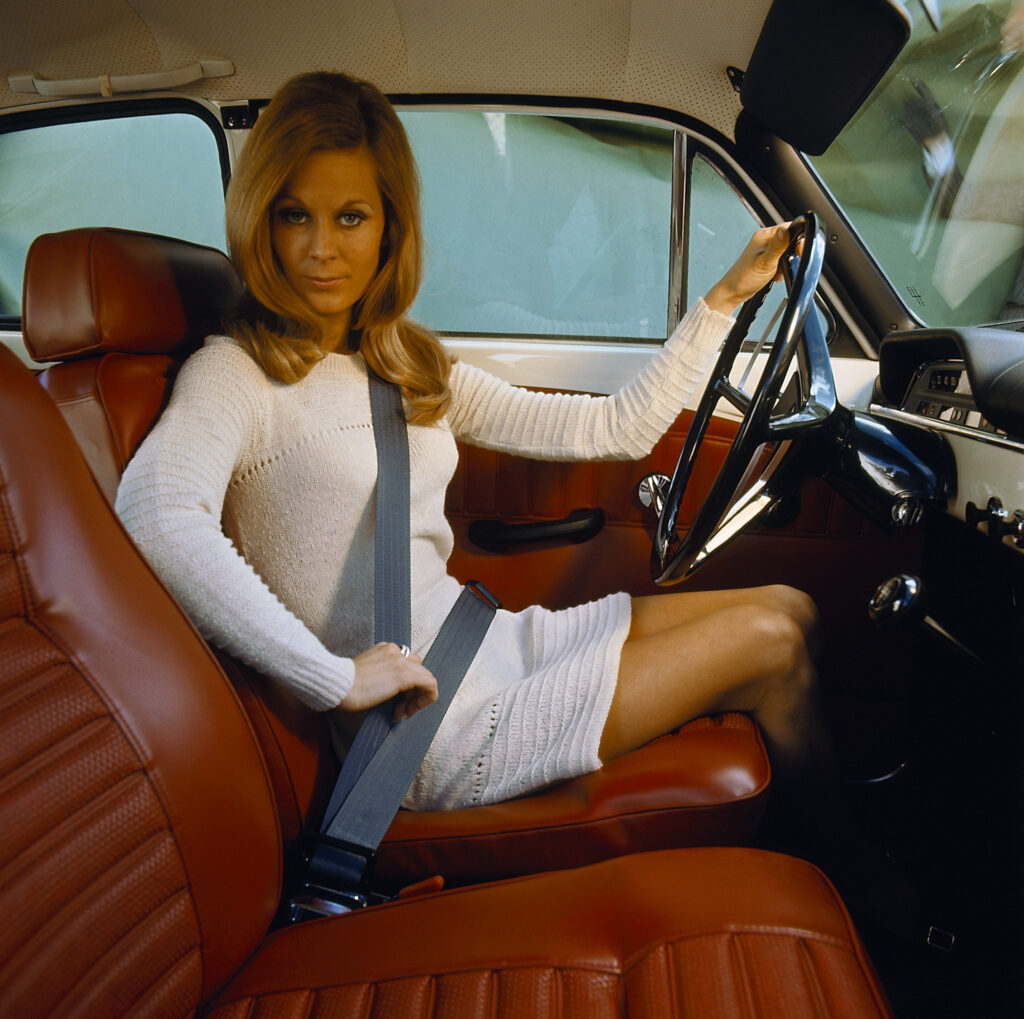
Safety improved relatively quickly, but the main achievements in this field came in the second half of the automobile’s 140-year history. Seat belts, crumple zones, airbags, and anti-lock brakes have quietly saved millions of lives, while air conditioning, power steering, satellite navigation, and car audio systems have made life behind the wheel more tolerable.
The Biggest Changes Are Still Ahead
We are now living through another turning point. Hybrids, electric vehicles, driver assistance systems, and cars that can steer, brake, and park on their own are redefining the very concept of driving. Mercedes, quite fittingly, is at the forefront of these changes and will offer Level 4 autonomous driving on the new S-Class, which premieres this year.
Some see in such technology freedom. Others see the end of real driving. In any case, the car is changing again.
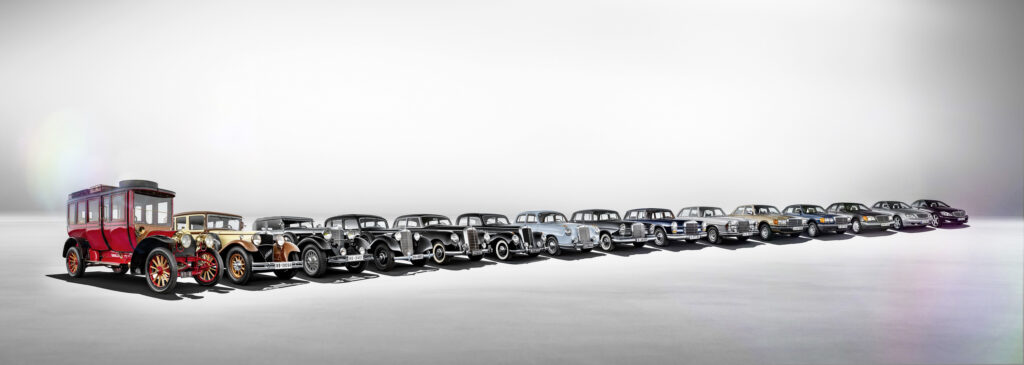

So what do you consider the biggest breakthrough in the long evolution of the automobile, that innovation without which modern driving would be impossible? And which model helped all cars take the biggest step forward?
The question of the most important innovation remains open, as each era made its crucial contribution. If at the beginning it was the very possibility of mechanical movement, later the emphasis shifted to accessibility, safety, and efficiency. Today, we are witnessing how the automobile is gradually transforming from a means of transportation requiring constant driver attention into a mobile space for work or relaxation. This transition is perhaps the deepest of all, as it changes the very social and cultural role of the car in society. At the same time, despite all the technologies, the basic principles of reliability, ergonomics, and the emotional connection between human and machine remain unchanged requirements.