
 by
by Owners of General Motors vehicles with the 1.2-liter three-cylinder turbo engine are reporting its potential catastrophic failures. The class action lawsuit concerns models such as the Chevrolet Trax, Trailblazer, Buick Envista, and Encore GX. The plaintiffs claim that the manufacturer knew about the defects but concealed the information and continued sales.
The Essence of the Lawsuit and an Example of a Broken Engine
Chevrolet set a new standard by introducing the latest version of the Trax. This model, as well as the Buick Encore GX, Chevrolet Trailblazer, and Buick Envista, are equipped with the same 1.2-liter turbocharged three-cylinder engine. Now they are all at the center of a new class action lawsuit against GM, which alleges that the automaker knew about the design flaws of these powertrains. These are not minor malfunctions. As it turns out, owners are facing catastrophic failures.
This case emerged shortly after GM faced a lawsuit over alleged failures of some of its V8 engines. The consolidated lawsuit focused on two very different ends of the company’s powertrain lineup.
Plaintiffs from California, Samantha Cook and Donna Cook, filed a complaint after purchasing a new 2024 Chevrolet Trax. According to the lawsuit, first discovered by the Car Complaints resource, Samantha Cook was driving her car on January 25 when a “reduced engine power” warning appeared on the dashboard. The lawsuit alleges that the SUV soon stalled, emitting loud knocking sounds.
Incident Details and Dealer Response
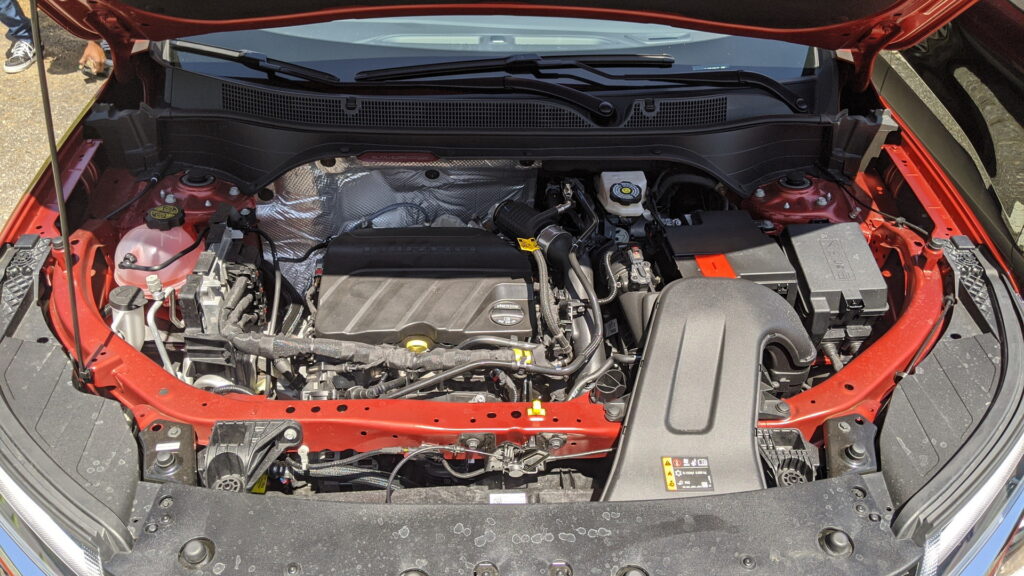
At the time of the incident, the car’s mileage was approximately 11,581 miles. Cook allegedly managed to pull the Trax over to the shoulder, after which the car was towed to a dealership. Technicians reportedly found a broken connecting rod that damaged the engine block, requiring a complete engine replacement. However, the plaintiffs state that replacement engines are currently out of stock, and the car remains at the dealership awaiting parts.
Nature of the Problems and Possible Causes
The lawsuit alleges that some of these engines develop loud knocking, mechanical rattling, and sudden loss of power. In extreme cases, as noted, connecting rods forcefully exit the engine block. Obviously, these are serious problems. Moreover, fluid leaks in such situations can lead to a fire.

The plaintiffs claim that the problems stem from internal engine defects concerning components such as bearings, oil passages, and casting design. While a direct link is not always obvious, there is a certain logic between modern highly efficient engines, minimal tolerances, and technical issues. They also claim that GM knew about this problem through dealer reports and internal data but did not inform consumers.
Manufacturer’s Response and the Future of the Case

It is important to note that GM has already issued several service bulletins related to noise in the 1.2-liter engine. One of them notes that owners may hear a deep, dull sound during low-speed acceleration when the engine is cold. On the other hand, it also states that this may be normal operation. For now, the allegations are unproven, but if the lawsuit moves forward, the discovery process could prove very interesting.
This situation with the 1.2-liter engines is occurring against the backdrop of a general trend in the automotive industry, where downsizing and increasing specific power are often accompanied by new technical challenges. The success or failure of this lawsuit could affect not only GM’s reputation but also the approaches of other manufacturers to designing and communicating about small-displacement turbo engines, which are becoming increasingly popular due to environmental regulations. For thousands of owners of these models, waiting for spare parts and uncertainty about engine durability are turning into real daily difficulties and financial risks.