 by
by Sharp Escalation in the Middle East Situation
World energy markets have reacted to the sudden escalation of the situation in the Middle East. Over the weekend, the United States and Israel launched a surprise strike on Iran, resulting in the deaths of a number of high-ranking officials, including Supreme Leader Ayatollah Ali Khamenei.
In response, Iran struck US allies and their military bases in the region using drones and missiles. In particular, there are reports of an attack on the Saudi Aramco Ras Tanura oil refinery.
Consequences for the Oil and Gasoline Market
Despite two drones being intercepted, debris caused a local fire, leading to the shutdown of the plant. This event has become another signal of future turbulence in the oil market.
The price of West Texas Intermediate crude oil rose sharply: from approximately $65.34 per barrel on February 27 to $70.78 at the time of writing. Such an 8.3% increase over a few days will inevitably affect consumer prices. Experts note that retail gasoline prices rise by about 2.5 cents for every $1 increase in oil price, which could mean an additional 20 cents per gallon for drivers.
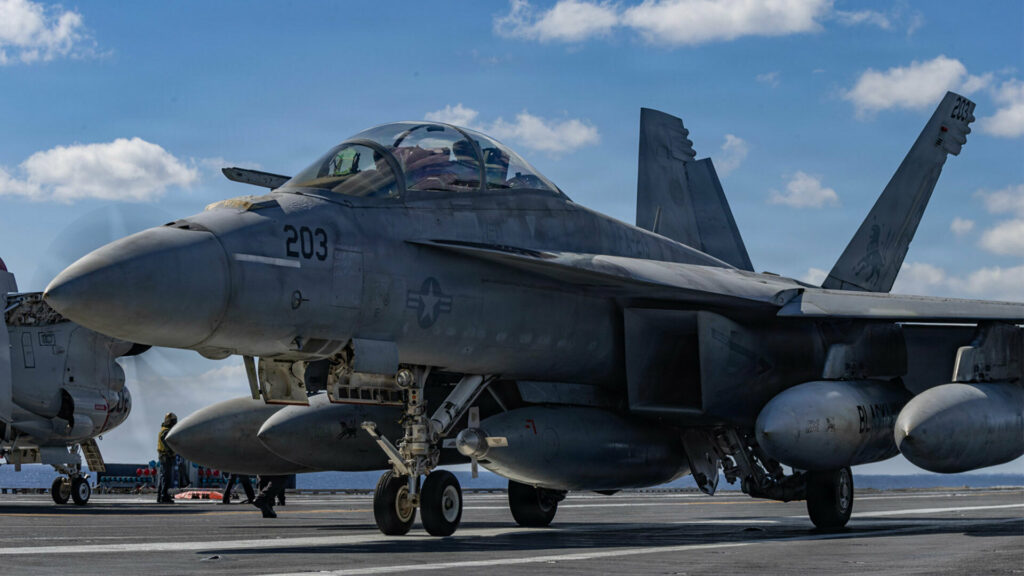
Iran continues to maliciously launch ballistic missiles, indiscriminately targeting military and civilian locations throughout the region. U.S. forces remain on the hunt to eliminate this threat. As the President has said, our resolve has never been stronger.
This increase is occurring against the backdrop of an already planned seasonal price hike due to oil refineries switching to the production of summer gasoline blends, which contain more expensive additives.
Threat to Key Transportation Routes
Although Iran accounts for less than 5% of global oil production, its geographical location gives it influence over the strategically vital Strait of Hormuz. This route is key for tanker shipments, and attacks on three vessels have already been recorded. Iranian forces are reportedly announcing the closure of the strait.
The Iranian Islamic Revolutionary Guard Corps (IRGC) killed more than 1,000 Americans over the past 47 years. Yesterday, a large-scale U.S. strike cut off the head of the snake. America has the most powerful military on earth, and the IRGC no longer has a headquarters.
This situation has caused concern among insurance companies. Policy cancellations and a sharp increase in insurance costs are occurring, which will subsequently also fall on the shoulders of the end consumer in the form of additional expenses.
Further Prospects
The further development of events remains uncertain. Continued instability or new attacks could keep energy markets in a tense state for a long time. The impact of these geopolitical shocks extends far beyond the region, directly affecting the pockets of millions of drivers worldwide through fuel prices. The stability of oil supply through the Persian Gulf has always been critically important for the global economy, and any threats to this route are instantly reflected in quotes. Experts also remind that the market was already in a state of caution due to other factors, so new shocks could increase volatility. Oil-importing countries are expected to closely monitor the development of the situation and consider possible options for diversifying risks.