 by
by New Driver Training System in Northern Ireland
Driver training in Northern Ireland is set to become significantly more structured. From October, new drivers will face additional steps before gaining full freedom on the road. All these changes are aimed at reducing the number of accidents involving young drivers. This can be seen as a slower entry onto the path to driving independence.
The region is becoming the first part of the United Kingdom to introduce a graduated driver licensing system. Such programs already exist in places like Australia and parts of the United States, and safety experts have long argued that they reduce the number of serious accidents involving inexperienced drivers.
Key Changes for Learners
One of the biggest changes is the timeframe. Learners will have to hold a provisional license for at least six months before they can take the practical test. During this period, they must complete a structured training program approved by an instructor or supervising adult.

Two-Year Probationary Period
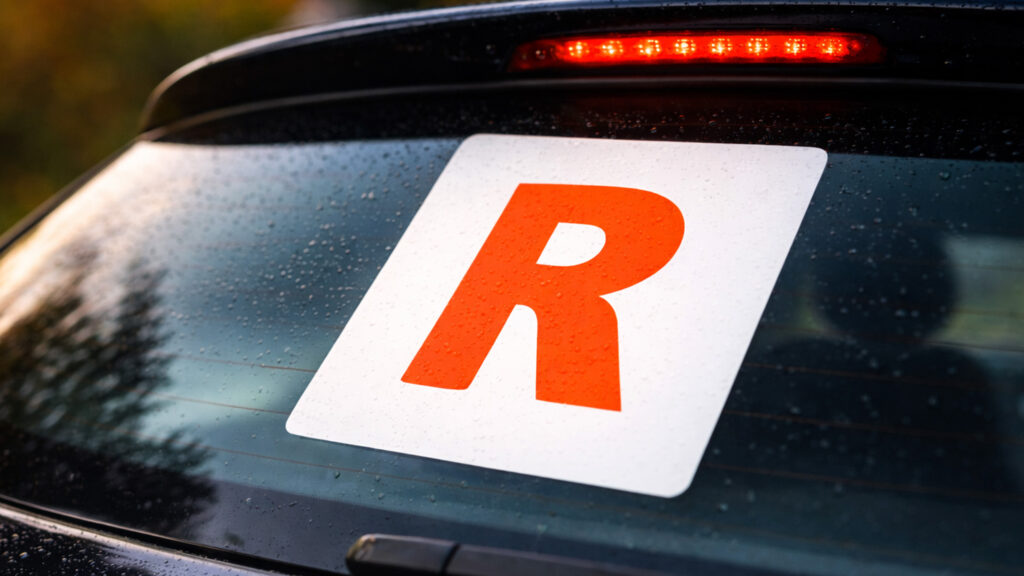
After passing the test, the learning phase does not end. Newly qualified drivers face restrictions for two years, including updated R-plates. For the first six months, drivers under the age of 24 will be allowed only one passenger aged 14 to 20 late at night, with some exceptions for family members and an adult supervisor.
Night driving restrictions may be socially inconvenient, but officials say late hours and cars full of friends are a risky mix. Statistics show that drivers aged 17 to 23 are involved in a disproportionately large number of serious and fatal accidents, despite making up a small share of license holders.
Positive Aspects of the Changes
There is good news as well. The unpopular 45 mph (72 km/h) speed limit for restricted drivers is being abolished. This means new drivers will finally be able to keep pace on faster roads without feeling like an obstacle.
Reaction and Future
Driving instructors in Northern Ireland seem to largely support the changes, even if they want more details. And while I probably would have hated these restrictions at 17, I understand their logic. And I bet lawmakers in England, Scotland, and Wales see it too. It would be a surprise if similar rules are not adopted across the UK in the near future.
The introduction of a graduated licensing system in Northern Ireland reflects a global trend towards enhancing the safety of young drivers. The experience of other countries suggests that such measures can indeed lead to a noticeable reduction in accidents. Importantly, the system not only restricts but also structures the learning process, focusing on skill formation rather than merely formally passing a test. Abolishing the 45 mph speed limit is a wise step, as it eliminates a potentially dangerous situation where a novice is moving significantly slower than the general traffic flow. The success of this program could be a decisive argument for spreading similar practices across the entire UK, which could ultimately save many lives.