


Electric Vehicle Plans Delayed
The Lanzador crossover, which was to be Lamborghini’s first fully electric vehicle, will now be a hybrid model arriving by the end of the decade. However, brand leadership made it clear this week that the door for a fully electric car is not closed. It’s just that the company will first ensure customers have enough models with V8 and V12 engines.
“The recent announcement of a fourth hybrid model reinforces the long-term industrial vision focused on sustainable value creation, without compromising the future development of a fully electric model,” the company stated while presenting its latest financial results.
Thus, an electric car is still in the plans, but one should not expect its imminent arrival.
Market Reaction and Brand Strategy
Lamborghini CEO Stephan Winkelmann commented on the market situation.
“Resistance to electric vehicles has grown significantly worldwide in our segment. Many customers have tried electric cars, but, let’s say, their experience did not quite meet expectations.”
The brand continues to invest time and money in electric technology, preparing for the moment when the luxury and supercar market is ready to buy electric vehicles en masse. However, Winkelmann, who recently called electric cars an “expensive hobby,” is in no hurry.
“I don’t see this trend today, and I don’t see it for tomorrow,” he added.
New Revuelto and Urus Variants
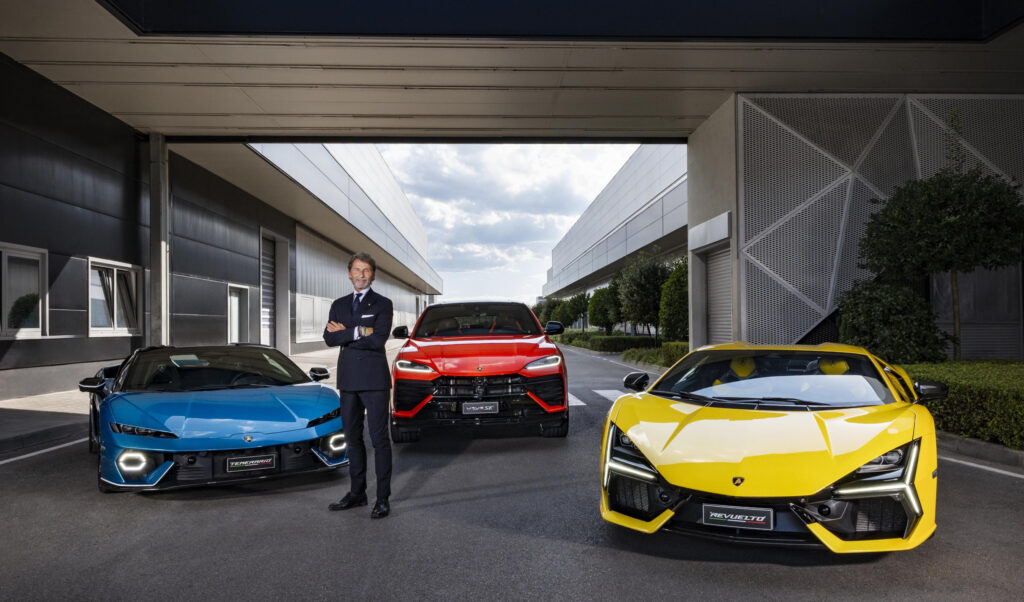

If you like noise and mechanical drama, what’s happening now is much more interesting. Lamborghini has already confirmed new, yet-to-be-named debuts for 2026, which will take place at events like Goodwood and Monterey Car Week. Everything points to the fact that the model families based on the Revuelto and Urus will be expanding.
A Revuelto Roadster currently seems like a very plausible option. The V12-powered hybrid flagship has been on the market for quite some time, so a roofless version is already overdue. It’s hard to imagine Lamborghini missing such an opportunity. But don’t expect it to stop there.
A hotter, driver-focused version of the Revuelto is almost inevitable, though perhaps not this year. And one can have no doubt that a convertible version of that model won’t be far behind. Lamborghini knows exactly what its core audience wants, and it’s not silence.
Performante Goes PHEV
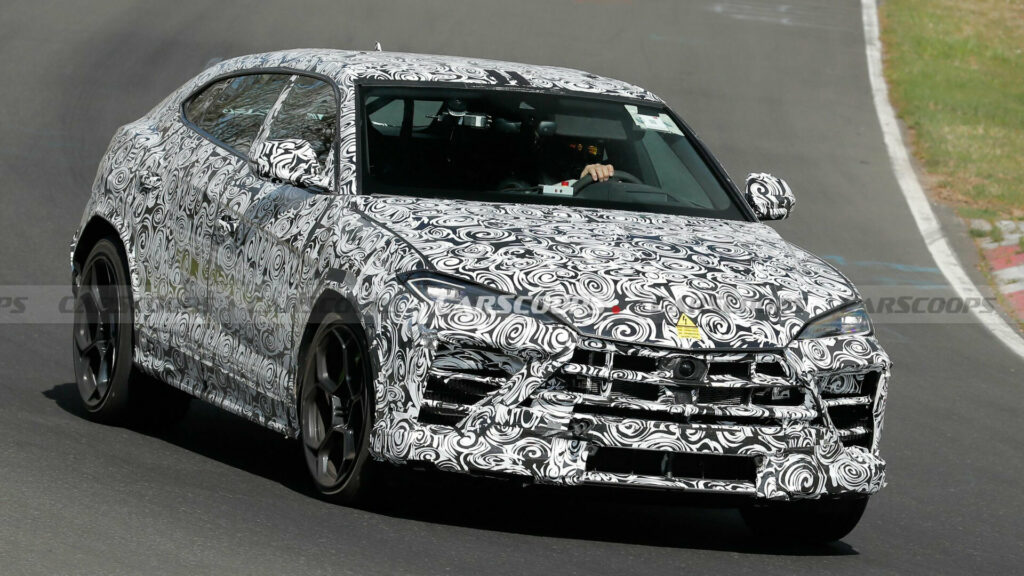

Alongside the V12 fireworks, models with V8 engines, such as the Urus and Temerario, will also not be overlooked. A more aggressive plug-in hybrid version of the Urus in the Performante style is expected to appear soon, building on the potential of the powerful Urus SE with even more power and sharper dynamics. The new Performante PHEV has already been spotted during testing, so its launch is not far off. And roofless and higher-powered Temerario variants are certainly in the works.
Brand’s Financial Success
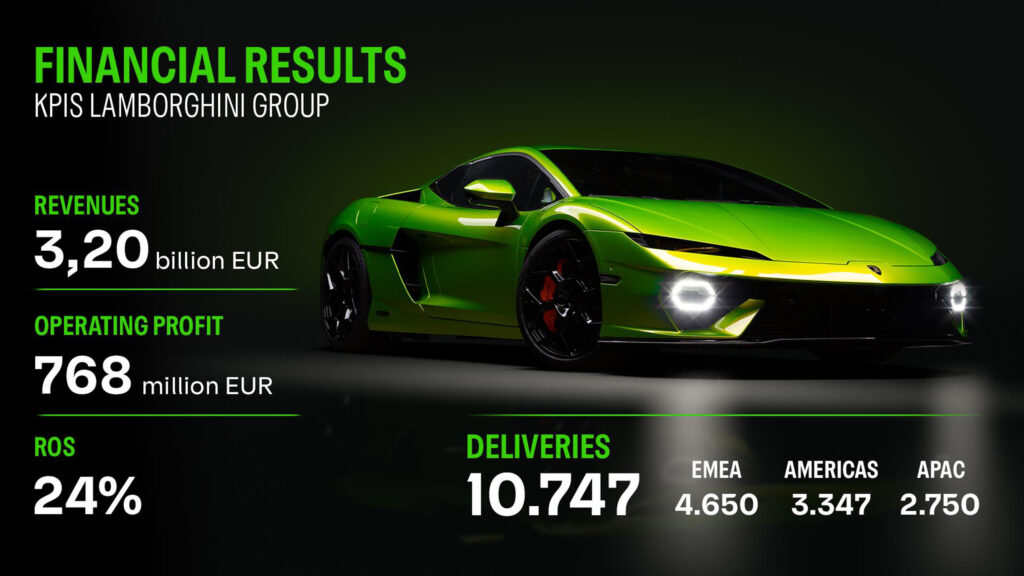

This is why Lamborghini can afford to double down on this formula. Business is good. In 2025, the company delivered 10,747 cars, marking its best year in history and the third consecutive year with volumes exceeding 10,000 units. Revenue grew to €3.20 billion, which is 3.3% more than the previous year.
Operating profit amounted to €768 million with a margin of 24%, declining only slightly despite external pressures such as exchange rates, tariffs, and the costs of adjusting the Direzione Cor Tauri strategy (aimed at electrification) to change the Lanzador from an electric car to a hybrid.
So, an electric Lamborghini will indeed happen. Just don’t expect it to steal all the attention from the V12s anytime soon.
Financial stability and a clear understanding of its audience’s desires give Lamborghini a unique opportunity to act differently from other manufacturers rushing into electrification. The growth in sales of hybrids and traditional powerful engines indicates that the luxury car market is still strongly tied to the emotions provided by classic technologies. Therefore, the transition to electric vehicles will be gradual and cautious, so as not to lose the very “soul” of the brand that customers are willing to pay big money for. This could become an example of how an automaker can balance innovation and preserving its identity in an era of change.