


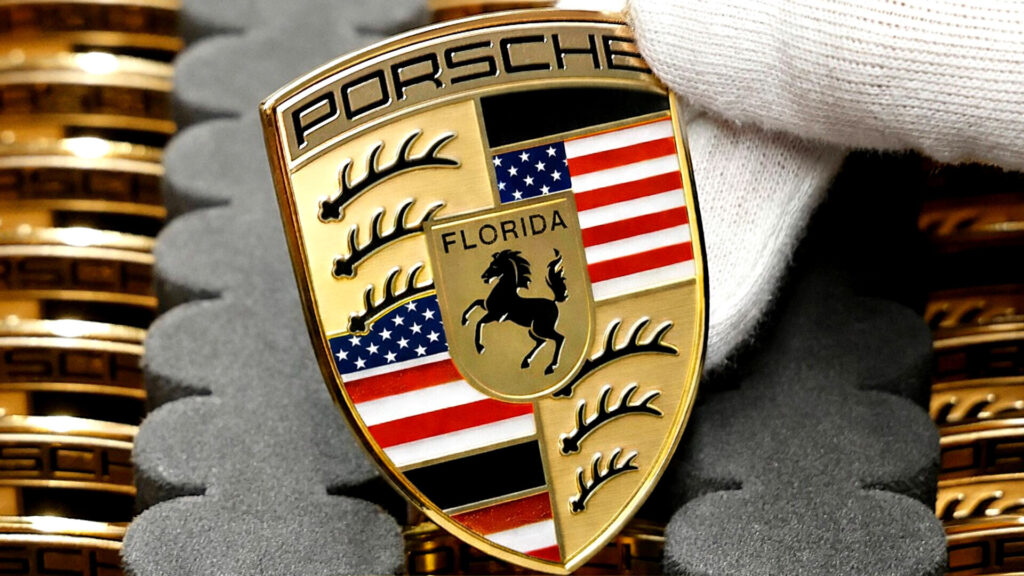
German automaker Porsche is considering the possibility of organizing car production in the United States. The main reason for such considerations is significant financial losses due to tariffs.
Financial Pressure from Tariffs
The year 2025 has been difficult for Porsche: the company’s profits and revenues sharply declined. Reporting a profit of only 413 million euros, management highlighted a significant expense item – approximately 700 million euros paid for American tariffs. CEO Michael Leiters noted that market conditions in the USA have changed significantly precisely because of the tariff policy.
Customers felt the consequences of these tariffs: prices for Porsche cars in the USA increased significantly. For example, the base price of the 911 model rose from $114,400 in March 2024 to $135,500, an increase of over $21,000 in less than two years.
Company Reaction and Future Plans
Despite the sharp price increase, Michael Leiters told investors that demand for the brand’s cars remains stable. However, it seems the company is already tired of the tariffs and is actively looking for ways to reduce their impact.
During a Q&A session, the Porsche executive was asked about the potential creation of an assembly plant in the USA (similar to the existing one in Kulim, Malaysia) or about partnering with Volkswagen to produce cars in America.
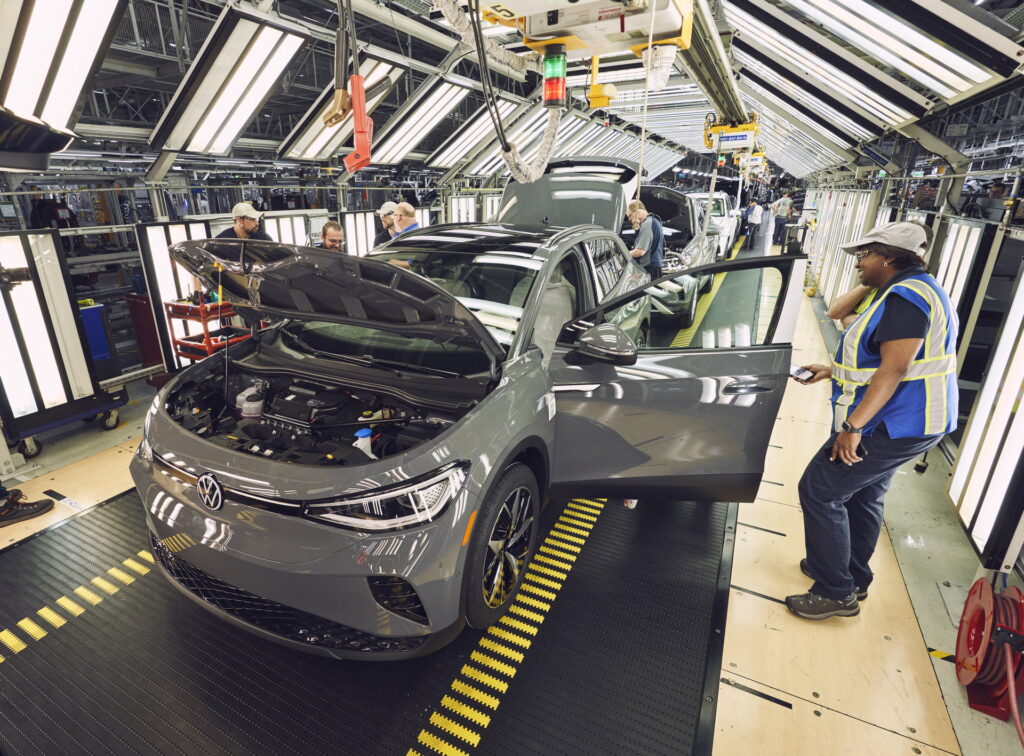

Leiters responded that such an idea is “attractive, but it’s a huge investment.” He emphasized that implementation would take a long time and would require creating completely new supply chains to support an American plant. Later, he clarified that building a new plant is currently “not under consideration,” as it is much more complicated than it seems, and the issue concerns not only choosing a factory location but also the entire supply of components.
Model Lineup Update
Although a new plant is not yet in the plans, Porsche management confirmed intentions to present new, emotional derivative models this year. Simultaneously, the company plans to simplify its model range, as a large number of modifications significantly complicates both the customer’s choice process and internal processes.
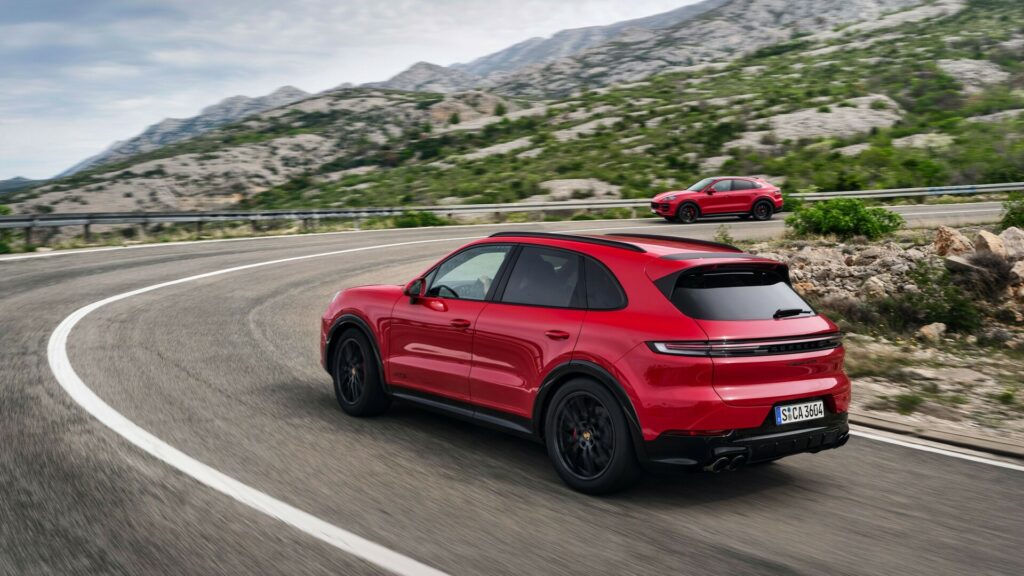

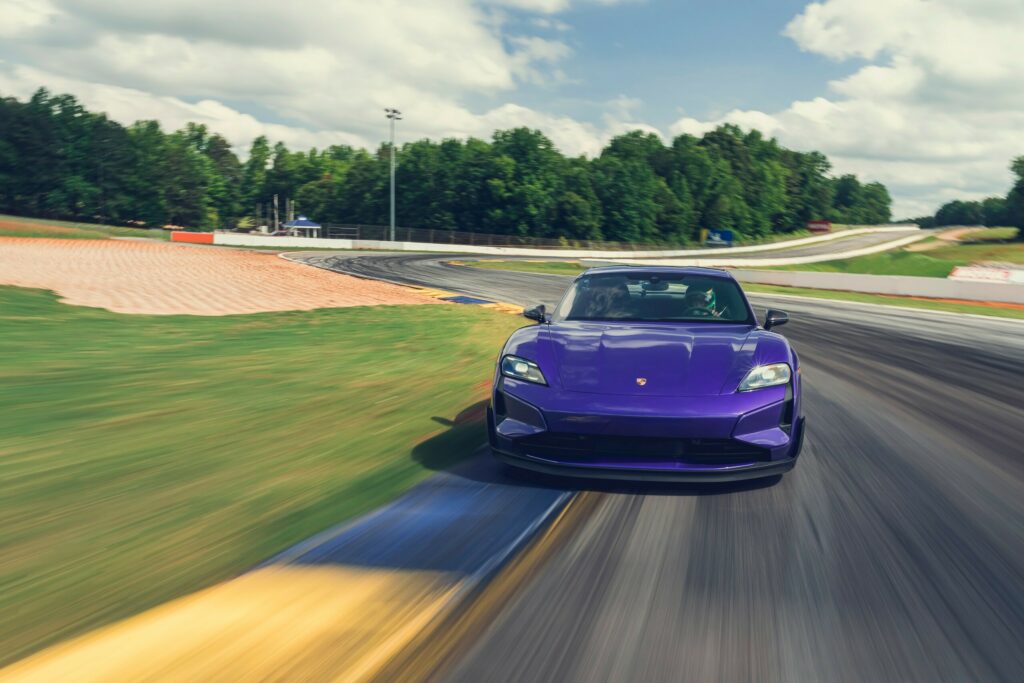
This forces the company to “optimize the future product portfolio, reduce complexity and variability.” Details are not disclosed, but according to previous reports, the Panamera and Taycan models may eventually merge into one.

Porsche’s considerations about production in the USA clearly demonstrate how global trade policy can force even the most expensive brands to reconsider their strategies. Financial pressure becomes a catalyst for searching for new, unconventional solutions that previously might have seemed unjustified. Stable demand, despite price increases, indicates the strength of the brand, but to maintain competitiveness in the long term, the company will likely have to find a way to mitigate the impact of external political factors on its business model.