


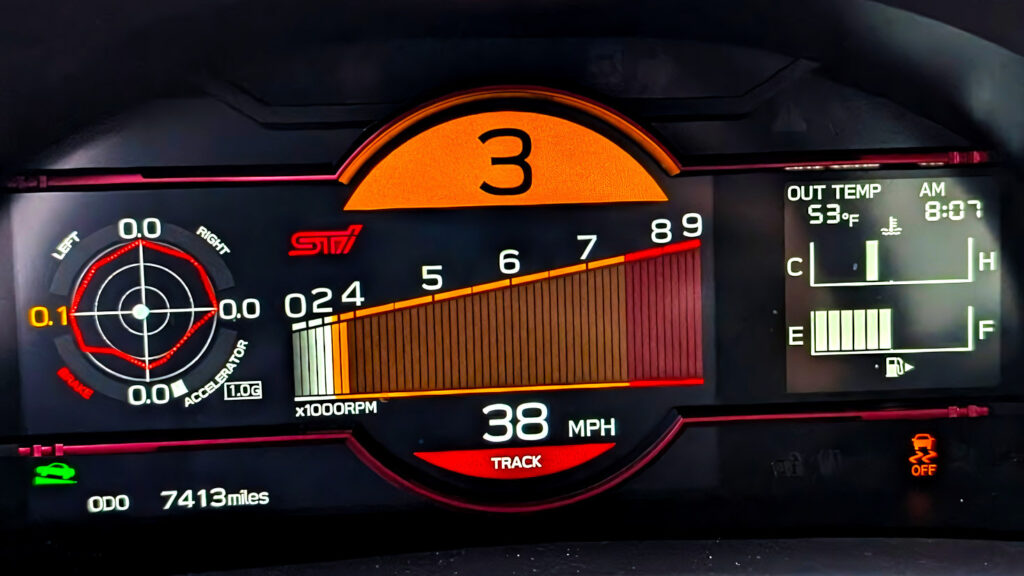
The False Sense of Security from Mileage
For most buyers evaluating a used car’s price, few numbers carry more weight than the mileage. There’s no real way to know how the previous owner drove it, and the service history can be just as murky. That’s why, for most consumers, mileage seems like an objective metric, a simple number hinting at how much life the car might have left.
However, according to CarFax data, this trust may be in greater danger than it seems. The company estimates that about 2.45 million vehicles on U.S. roads today likely have falsified mileage. This is a sharp increase compared to previous years, reflecting what appears to be a perfect storm of incentives and opportunities for fraudsters.
The Digital Era Has Deepened the Problem
From 2023 to 2024, CarFax believes odometer rollback cases grew by just 4 percent. In 2025, the company suspects this figure jumped by another 14 percent. Much of this growth seems linked to increased competition in the used car market.
Sellers desperately trying to stay competitive may see rolling back the odometer as their edge. Modern tools only make it easier to do.
“As modern vehicles transitioned from mechanical to digital odometers, tampering unfortunately became more prevalent due to the greater availability of cheap tools,” said Faisal Hasan, Vice President of Data Acquisition at CarFax.


CarFax has demonstrated “mileage correction” devices sold online for about $200-$300, capable of erasing tens of thousands of miles from a vehicle’s digital record in seconds. Once the change is complete, it can be nearly impossible to detect without historical mileage data, as the altered information overwrites what was previously stored.
The company estimates that buyers spend an average of $3,300 more on cars with rolled-back odometers than they would if the mileage were correct. Of course, this figure does not include unexpected safety or maintenance repairs resulting from the falsely lowered mileage.
Geography of the Problem: Where Cars with Tampered Mileage Are Most Common
The problem is particularly concentrated in high-population states. California leads the list with over 532,000 vehicles suspected of odometer rollback, followed by Texas, Florida, New York, and Illinois. However, some smaller states are seeing the fastest growth, including Montana, Tennessee, Arkansas, Oklahoma, and Kansas.
How to Protect Yourself?
Unsurprisingly, CarFax suggests using vehicle history reports as a way to combat this issue. It also emphasizes the need to do basic due diligence by double-checking actual components for signs of breakage, premature wear, and unusual markers, considering the car’s age.
The rise of odometer fraud in the digital age is a paradox that shows how technological progress sometimes opens new avenues for abuse. The mileage reading is losing its status as a completely reliable benchmark, forcing buyers to be much more vigilant and use all available verification tools. This situation also raises questions about the effectiveness of regulation and seller accountability in the market, as the scale of overpayments and potential safety risks becomes very significant. The trust that was once the foundation of a deal now requires confirmation through data and thorough inspection.