


New Electric Vehicle Sales Dynamics
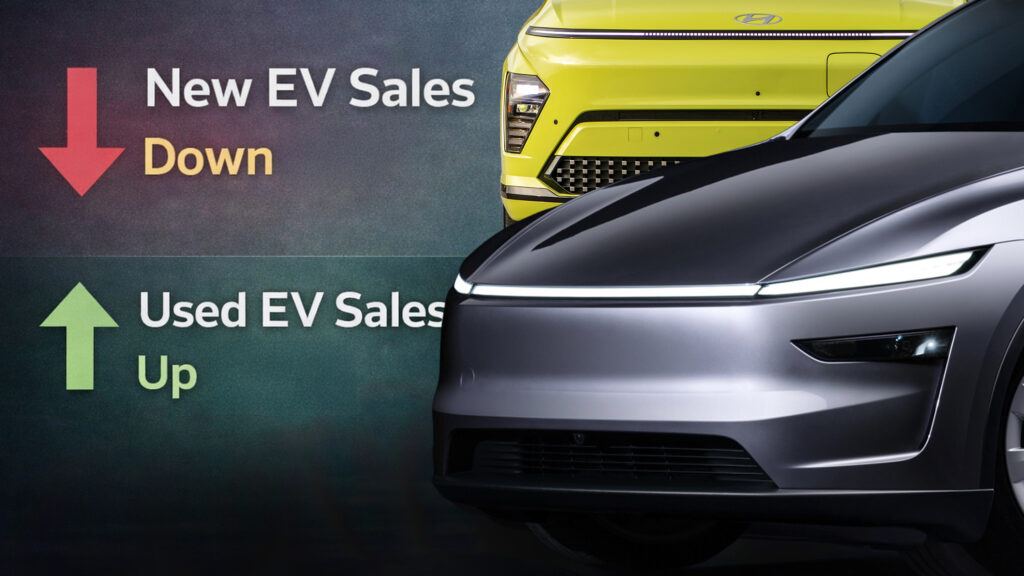
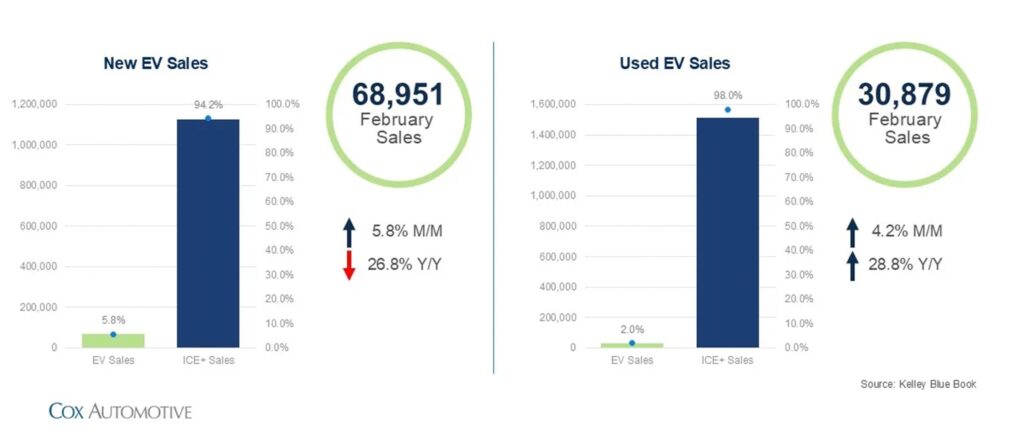
While external events, such as the conflict in Iran and the spike in fuel prices, could have increased American drivers’ interest in electric vehicles, February sales data does not confirm this. According to the data, sales of new electric cars in February amounted to just under 69,000 units. This figure may seem significant, but it is a full 27 percent lower than in the same month last year. However, compared to January, there is an increase of 5.8 percent. The share of electric vehicles in total new car sales was about 5.8%.
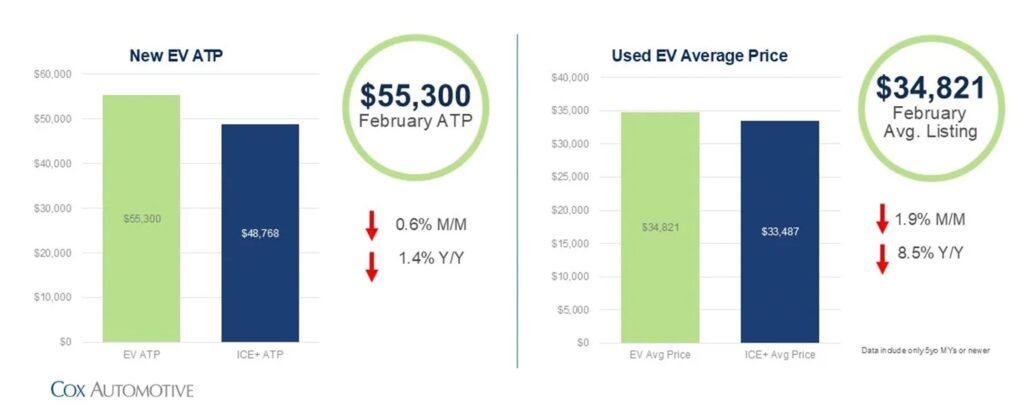
As Cox Automotive notes, there is also a positive point: buyers who did purchase an electric vehicle paid less for it, as prices in this segment continue to decline. The average price of a new electric car was about $55,300, slightly lower than a year ago and significantly narrowing the gap with ICE vehicle prices. Manufacturer incentives, which now account for over 14% of the average transaction price, play a key role in this. On average, discounts reached approximately $7,870 per vehicle, clearly indicating automakers’ reliance on discounts to maintain buyer interest.
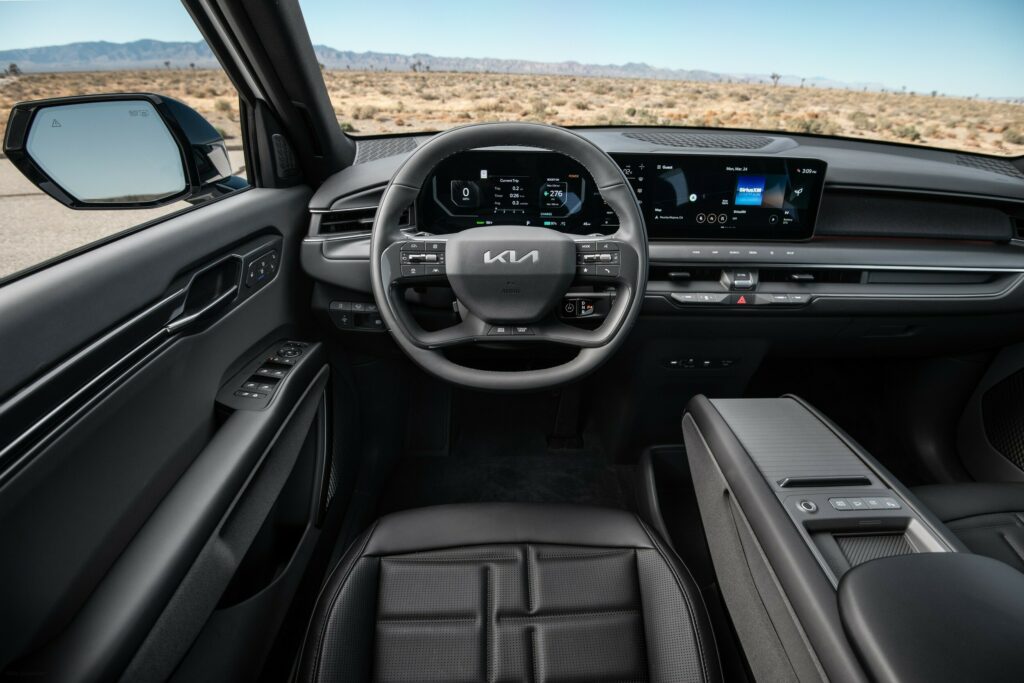

Tesla remains the undisputed leader, selling about 38,500 units, but even this world-renowned company could not avoid losses. Its market share fell by 4 percent compared to the previous month, as competitors began to gain share. Chevrolet showed particularly strong results: demand increased by 70% compared to January. Hyundai and Toyota are also making progress, while Ford and Nissan’s figures, like overall EV sales, remain under pressure.
Reverse Trend in the Used Electric Vehicle Market
Meanwhile, the used electric vehicle market is experiencing noticeable revitalization. Sales increased by almost 29 percent compared to last year, and about 31,000 units found new owners. This is not explosive growth, but it indicates that buyers are beginning to look more favorably on used electric cars, especially in an environment of consistently falling prices. This figure also reflects a moderate increase of 4.2% compared to January, indicating stable positive month-to-month dynamics.

If prices for new electric vehicles are falling, then used ones are declining even faster, now averaging just under $35,000. This is more than 8 percent lower than a year ago, making them much more attractive to budget-conscious buyers. In fact, many used electric cars now cost less than their internal combustion engine counterparts, which not long ago seemed unbelievable.
Market Tension and Future Prospects
The report also indicates that inventories, especially of used electric vehicles, are shrinking. This suggests that demand is finally beginning to balance supply, and the market is gradually emerging from the state of surplus characteristic of recent months. Cox Automotive experts do not explicitly state that this could lead to price increases, but the basic laws of supply and demand give reason to think so. Inventories of used electric vehicles have shrunk to approximately 42 days, which for the first time in nearly a year exceeds the comparable figures for gasoline-powered cars.

This data clearly outlines a market in transition. Buyers are showing caution regarding new, expensive models, while actively seeking bargains in the used car market, where prices have become very competitive. Such behavior may force manufacturers to reconsider their strategies, focusing on more affordable new models or supporting the value of their vehicles on the secondary market. The stabilization of used electric vehicle inventories could be the first step towards forming a more mature and predictable market, which in the long term will promote consumer confidence in the entire category.