
 by
by New electric cars in Germany receive long-term tax benefits
Germany has extended tax benefits for owners of new electric cars. This decision came in response to a sharp drop in electric car sales after the cancellation of state subsidies about two years ago.
Key changes in the support program:
Details of the tax exemption
Any new electric car registered in Germany will be exempt from paying vehicle tax until December 31, 2035. Legislators agreed to keep the registration window open until the end of 2030. This means that every electric car registered by this deadline will receive a full tax exemption until the end of 2035.
The initial tax exemption was set to end at the end of this year, but its extension received broad support in parliament. According to federal parliament member Stefan Korbach, the goal of the tax benefit is to encourage more people to enter the electric car market, as well as to support the German automotive sector as a whole.
The tax benefit is intended to encourage more people to enter the electric car market, as well as to support the German automotive sector as a whole.
Return of purchase incentives

The return of the tax exemption is not the only tool for reviving demand for electric cars. The federal government plans to reintroduce purchase incentives from 2026, focusing on helping lower- and middle-income households purchase new electric cars.
The program will provide incentives of up to 4,000 euros for the purchase of a new electric car costing up to 45,000 euros. This is significantly less than the previous scheme, which allowed the purchase of cars costing up to 65,000 euros.
Eligibility is expected to be limited to individuals with an annual income of less than 45,000 euros, which will naturally narrow the pool of potential recipients. It is worth noting that buyers with incomes below this threshold may find more opportunities in the used electric car market than in dealerships.
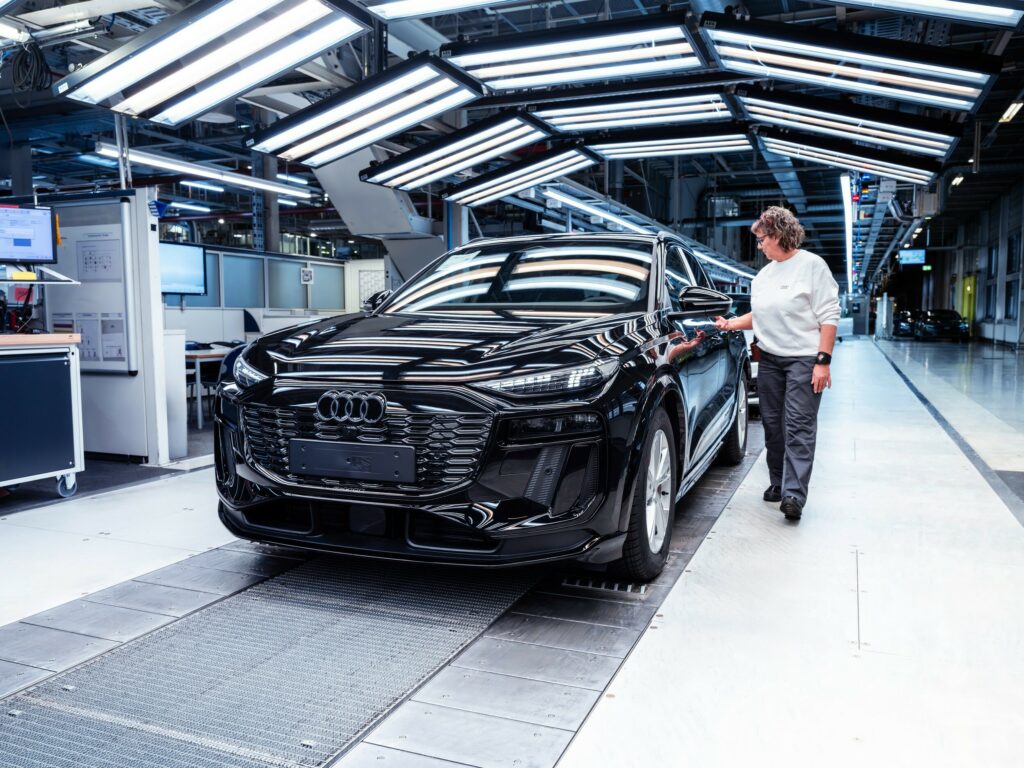
Between 2016 and 2023, the previous German electric car subsidy initiative paid out about 10 billion euros to buyers.
These steps demonstrate how important consistent government policy is for the stability of the electric car market. A sudden cancellation of support can lead to negative consequences, as has already happened, so a phased transition and clear long-term conditions are key for consumers and manufacturers. A focus on affordability for the middle class can promote broader electrification; however, restrictions based on income and car price raise questions about the real effectiveness of such measures for the mass market. The success of these initiatives will also largely depend on the development of infrastructure, particularly charging stations, and the overall economic situation in the country.