 by
by Police Stop Truck Driver After Short Chase on Snowy Road
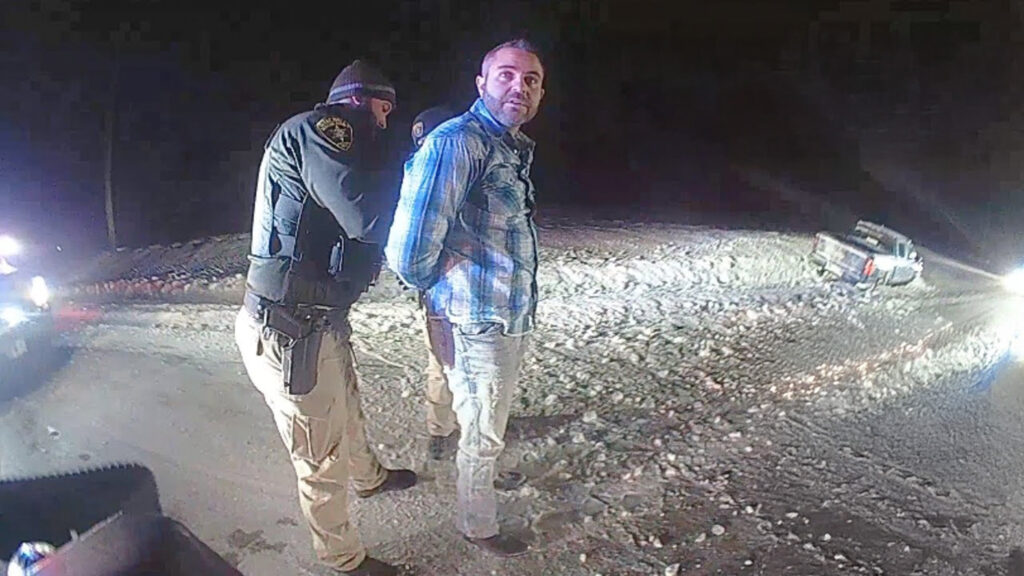
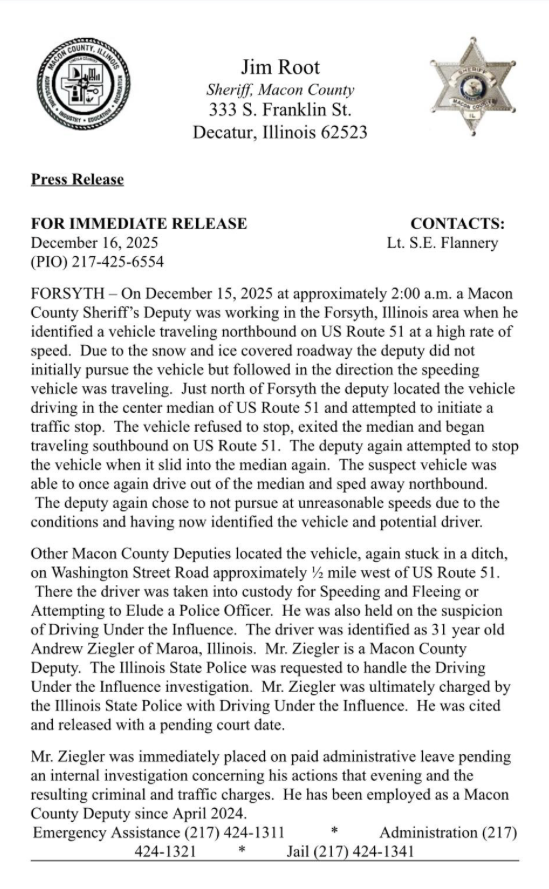
Law enforcement officers in Decatur, Illinois, stopped a truck driver after a brief chase in snowy weather. During the check, it turned out that the driver was their colleague, Officer Andrew Ziegler. Following the incident, the department suspended Ziegler from duty with pay and also did not send him to jail.
Circumstances of the Incident Raise Questions
Police work is complex and noble, yet police officers are not always associated with patience and calmness. This is especially noticeable when they are dealing with a person who is fleeing pursuit and is suspected of driving under the influence of alcohol. Despite this, one department in Illinois appears to have given its employee exceptionally privileged treatment in a similar situation. The complication for the police is that they recorded almost everything that happened.
Chronicle of Events on December 15, 2025
The incident occurred on December 15, 2025. An officer noticed a truck allegedly speeding on a snow-covered road. When he began pursuit, the truck driver left the road and ended up on the median strip. It was then that the officer attempted to stop the driver. However, instead of stopping, Officer Andrew Ziegler began to flee. The officer made another attempt to stop him, but Ziegler accelerated again.
Why Was the Chase Terminated?
According to the Macon County Sheriff, officers had already identified Ziegler by that point but terminated the pursuit. Only when another officer found Ziegler in a ditch was he able to be detained. This process was also not simple. The video shows Ziegler ignoring commands for several minutes, arguing with officers, and staggering towards them before finally deciding to comply.
Questionable Actions After Arrest
After the arrest, a supervisor arrives on the scene who appears to order two other officers to turn off their body cameras, while turning off his own. Later, when the microphones are turned back on, we hear one officer specifically telling another not to speak to Ziegler at all during the ride. This appears to be an attempt to help Ziegler avoid self-incrimination. After being taken to the police department, he was charged and released. He is currently charged with driving under the influence. It is worth noting that he was not charged with fleeing from police, obstruction, failure to obey commands, speeding, or anything else.
Selective Law Enforcement Raises Concerns
As attorney John Bryan of TheCivilRightsLawyer notes, all these actions are questionable. Police typically act quickly and decisively when dealing with potentially dangerous individuals, those who flee from the law and then ignore commands and argue. Officers are certainly not known for intentionally turning off their body cameras when perfectly normal and legal things are happening. Furthermore, why did they seem to want to help Ziegler avoid providing additional evidence? In Bryan’s opinion, these officers appear to be intentionally destroying and avoiding evidence that could incriminate their colleague.
Perhaps the worst part of the whole situation is that, at the time of writing, Ziegler not only retains his job but is also on paid administrative leave. Bryan calls this a paid vacation, and it’s hard to disagree with that definition.
Consequences and Possible Scenarios
While Ziegler may lose his position, he could potentially appear anywhere else if his law enforcement certification is not revoked. Of course, he might also simply keep his job.
This case in Illinois is not isolated; it fits into a broader discussion about accountability and standards of conduct in law enforcement. Similar incidents, where law enforcement representatives receive, in the public’s view, softer consequences for violations than ordinary citizens, undermine trust in the system. The lack of charges for fleeing and obstructing police, as well as the actions of turning off cameras, raise serious questions about transparency and equal application of the law. The future of this case and the subsequent decisions of the department’s administration will be an important indicator of how the system responds to internal violations and whether mechanisms truly exist to ensure equal accountability for all.