


The “Highway Therapy” Case at NYPD
A New York City police officer has filed a lawsuit, alleging that the department’s leadership applied so-called “highway therapy” to him as punishment. This practice involves transferring an employee to a remote duty location, drastically increasing the time and cost of his daily commute to work. The officer claims this happened after he ticketed the wrong people, as well as because he failed to recognize one of the high-ranking officials.
The Essence of the Conflict and the Practice of “Highway Therapy”
Many consider the daily commute to work a necessary evil. Employees are rarely paid for it, yet they spend many hours of their lives on it. According to the lawsuit, NYPD leadership intentionally assigned Officer Schwartz a two-hour daily commute to his duty post, calling it “highway therapy.” This occurred after an incident where Schwartz, according to him, ticketed the wrong people. Another possible reason for the punishment could have been that he failed to recognize one of the department’s prospective leaders.
A new lawsuit against the NYPD, filed in the New York Supreme Court, accuses former department chief John Chell, former Assistant Commissioner Kaz Daughtry, and Transit Police Chief Joseph Gulotta of harassing Schwartz. “Highway therapy,” a tactic that some sources describe as normalized within the NYPD, is at the center of this case.
According to publications, “highway therapy” is the practice of reassigning an officer to a remote post, leaving him with expensive and exhausting daily commutes. In Schwartz’s case, this meant a transfer from Queens to Staten Island, a journey that, according to the lawsuit, could take over two hours one way.
The Beginning of the Incident and the Transfer
According to the plaintiff, the problems began in September 2023 when Daughtry entered the 109th Precinct in Queens. Schwartz claims he did not recognize him and therefore did not give the proper command. Another officer then explained to Schwartz who Daughtry was.
Three days later, Schwartz recounts, an intoxicated Chell called him late at night, asked where he lived, and then ordered his almost immediate transfer to Staten Island.
Further Problems Due to Tickets
Emily, let me reveal something to you that was a standing order for decades – no doctors, nurses, teachers, and other city agencies. Since I was the department chief, I changed that, adding: Any friend of @sidrosenberg19 was our friend – a free pass for Sid’s friends. I made…
When Schwartz arrived at his new duty station, which was already problematic because such transfers should not occur over the phone, the situation worsened. Schwartz issued tickets for illegally parked cars near a school on Staten Island. Later, according to the lawsuit, it turned out that these cars belonged to teachers.
This detail is important because Chell had publicly stated on social network X that he supports a standing order that prohibits officers from issuing tickets to certain groups, including doctors, nurses, teachers, and other city agencies.
Consequences for the Officer
Schwartz claims he was stripped of patrol duties, denied overtime work, placed in a windowless office, and ultimately blocked from promotion to captain. The lawsuit alleges that Chell even told Schwartz: “I would let you rot on Staten Island,” before later joining the promotion board that rejected his candidacy.
Schwartz was promoted in September 2025, but only after a delay of over a year. By that time, he says, the financial losses were so severe that he was forced to sell his house in Queens and move to Staten Island. The further development of the court case remains unclear for now.
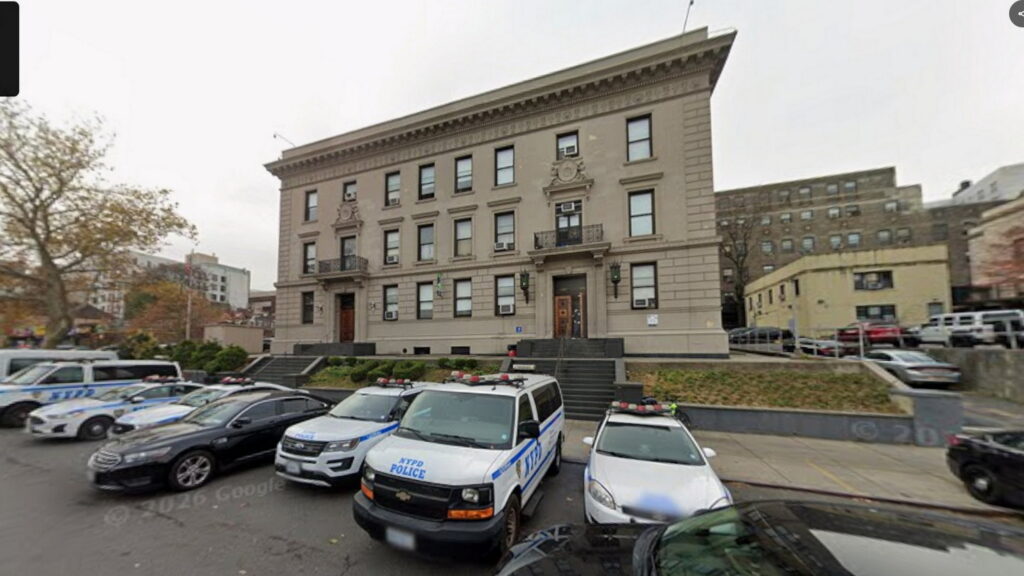

Photo Google Maps, NYPD @ X
This case highlights not only a specific conflict but also a potentially systemic problem within the law enforcement agency. Questions about internal practices, such as “highway therapy,” and public statements by leadership about special conditions for certain groups of citizens raise serious doubts about equality before the law and the objectivity of the law enforcement system. The financial and personal consequences for the officer show how internal decisions can deeply affect employees’ lives, extending far beyond professional relationships. The outcome of this lawsuit could have a significant impact on internal procedures and corporate culture not only within the NYPD but also in other similar structures.