


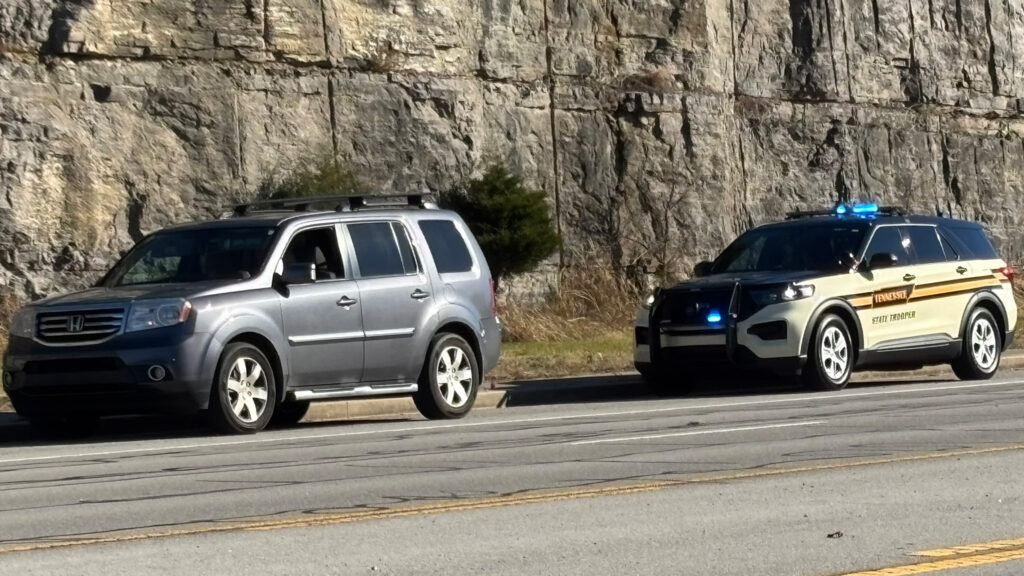
Court Dismissed 41 DUI Cases Due to One Inspector
The Tennessee State Prosecution closed 41 criminal cases of driving under the influence related to the activities of one highway patrol inspector. The decision was made after it was discovered that many drivers were within the legal alcohol consumption limit or were completely sober.
The Scale of the Problem Extends Beyond One State
This story became known after the state admitted to detaining thousands of people for driving under the influence, despite tests proving the absence of alcohol or drugs in their systems. It turns out this problem is not limited to Tennessee.
All 41 closed cases are related to the activities of Inspector Asa Pearl, who worked in the department from 2021 to 2024. According to data, eight drivers, including Ron LaFlam, had no detected substances in their bodies.
LaFlam recounted being surprised when, during a stop, he was asked to perform a field sobriety test, and called his detention unlawful after laboratory tests later confirmed his innocence.
Circumstances of the Inspector’s Dismissal and Management’s Position
According to media reports, Asa Pearl resigned from the Tennessee Highway Patrol in 2024. However, his personnel file reportedly does not specify the reason for dismissal and does not mention the DUI cases that were closed. Requests for comments to Pearl himself and to the patrol leadership remained unanswered.
Patrol Colonel Matt Perry believes that detention for driving under the influence can be fully justified even when drivers have no drugs or alcohol in their system.
We have not had a single case where our experts would say, ‘This person should not have been detained.’ Every review we conducted shows the presence of evidence. There are indicators.
The Problem of False Detentions is Widespread Across the Country
It turns out that detaining sober drivers for DUI is not just a Tennessee problem. A journalistic investigation found similar cases in at least 20 different states across the country based on open data. There is a high likelihood that this happens even more often in cases where the data never becomes public.
A study published in the JAMA journal in 2023 shows that officers failed to correctly assess the condition of over 49 percent of sober people who underwent field sobriety tests. This is a fairly high percentage of false positives. Currently, there is no clear regulatory path to resolve this issue.
Different states use different methods for determining sobriety, and not all objective testing equipment can account for all potential factors that could lead to failing a field sobriety test. The only foolproof way to avoid charges is to be completely sober and force law enforcement to prove otherwise. However, this typically happens after the fact of detention.
The situation with the mass closure of cases due to one inspector points to systemic problems in the procedures for detecting and recording intoxication. It raises serious questions about the training of law enforcement officers, the reliability of field tests, and the protection of drivers’ rights. The story of Ron LaFlam and others is not just isolated incidents, but a symptom of a broader crisis of trust in methods that currently remain the primary tool in combating drunk driving. Until different states unify their approaches and implement more objective and scientifically sound assessment methods, similar incidents may recur.