


Conflictual Traffic Stop Between a Police Officer and a Patrol Service Employee
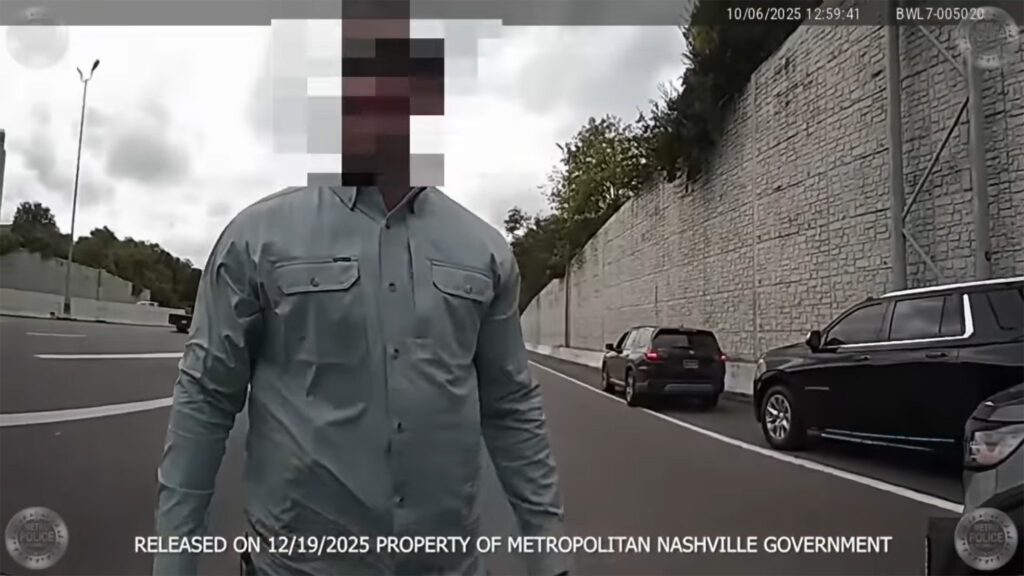
An unusual incident occurred in Nashville when a Metro Police officer attempted to stop an SUV traveling at 85 miles per hour in a 55 mph zone. After a pursuit of several miles, the driver finally stopped, but the situation quickly escalated into a confrontation.
Who Was Behind the Wheel?
As it turned out, the SUV belonged to the Tennessee State Patrol and was on a mission to escort a VIP. Inside the vehicle was State House Speaker Cameron Sexton. The MNPD officer was unaware of these circumstances, which led to a tense conversation.
Course of Events
Body camera footage shows the trooper exiting his vehicle and attempting to explain the situation. The dialogue quickly becomes heated, with both law enforcement officers touching each other and exchanging sharp words. The Metro Police officer warns that he will arrest the trooper if he touches him again, stating: “I don’t care who you are.”
“I don’t care who you are,” the MNPD officer can be heard saying after the trooper identified himself and explained he was transporting the House Speaker.
The trooper displayed his credentials, but the officer refused to release the vehicle until he received full identification. The incident concluded only after both representatives stated their names and presented documents. No arrests were made, and no citations were issued.
Complaint and Investigation
Following the incident, Speaker Sexton’s office filed a complaint, accusing the MNPD officer of unprofessionalism and aggressive behavior. However, an internal investigation by the Metro Police Department exonerated its employee’s actions, deeming them measured and in accordance with procedures.
Unanswered Questions
This story raises a number of important questions regarding the interaction between different law enforcement agencies. Do state laws truly allow patrol service employees to ignore speed limits while performing protective details? Do clear protocols exist for notifying local police about such operations? Did the State Patrol conduct its own investigation into the incident? Answers to these questions have not yet been received.
Such cases point to potential problems in coordination between different law enforcement agencies, even when they are all working to uphold the law. The lack of clear public comments from the State Patrol only adds to the uncertainty. It also serves as a reminder that even for official vehicles, there are certain expectations regarding compliance with traffic rules, especially in urban environments where the safety of other road users must be a priority. The situation leaves a sense that transparency and communication between agencies are key to preventing similar tense situations in the future.