


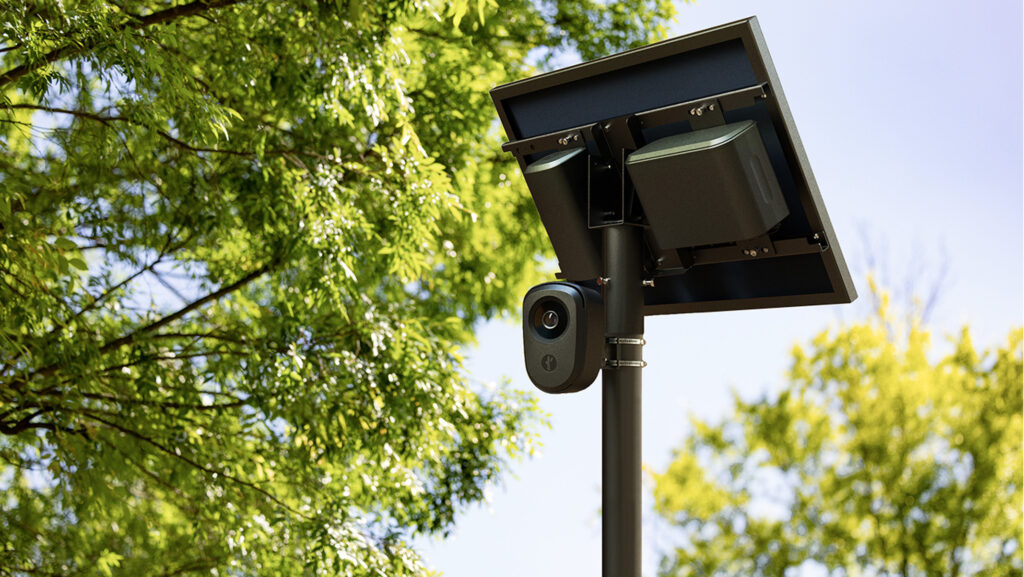
New camera near Walmart: how car surveillance has spiraled out of control
A new automated license plate reader (ALPR) camera installed near a Walmart may not seem extraordinary at first glance. Authorities typically present such devices as crime-fighting tools that help locate missing people, stolen vehicles, and wanted suspects. For some, this explanation might be sufficient. However, the real story is much broader — it is not about one camera near one supermarket, but about how license plate surveillance has quietly extended far beyond police departments.
The private sector takes over the technology
In recent years, retailers like Lowe’s, Walmart, and Home Depot have installed ALPR systems in their parking lots across many states, using the same technology as law enforcement agencies. In some cases, police have direct access to this data. The key difference here lies in transparency.
Police agencies typically operate within public policies that define how ALPR data is stored, shared, and used. These rules vary greatly by jurisdiction, but they at least exist, even if many departments ignore them. Private companies, on the other hand, are often not subject to public records laws. This means consumers have almost no idea how long information about their car is kept, who can view it, or whether it is shared with third-party organizations.
“I don’t think we, as the public, have a clear understanding of how private companies that own this technology use the data, how long they keep it, and how they share it,” said Ken Baron, director of the Project to Prohibit Racial Profiling at the University of Connecticut, to CT Insider. “I think it is a complete ‘black box’.”
Problems of abuse and lack of oversight
This uncertainty becomes even more alarming considering that ALPR systems have already faced accusations of abuse within law enforcement itself. Investigations in recent years have revealed dubious searches, unauthorized access to databases, and concerns about the use of nationwide license plate reading networks in ways critics argue exceed their intended purpose.
In fairness, it should be noted that businesses have legitimate reasons for using this technology. Retailers claim ALPR systems help combat organized theft, recover stolen vehicles, and enhance customer safety. Police departments regularly state that these systems help solve crimes faster than traditional methods.
Surveillance scales grow faster than regulation
Nevertheless, the technology is spreading rapidly, and oversight is not keeping pace. Cameras once seen only on highways and near toll booths are now appearing near shopping centers, residential complexes, and grocery stores. And chances are, your car has been scanned far more times than you think. Currently, tools like Deflock.me and HaveIBeenFlocked.com give citizens some insight into the ALPR network, but if the surveillance industry continues to expand across America, these tools may become overwhelmed.
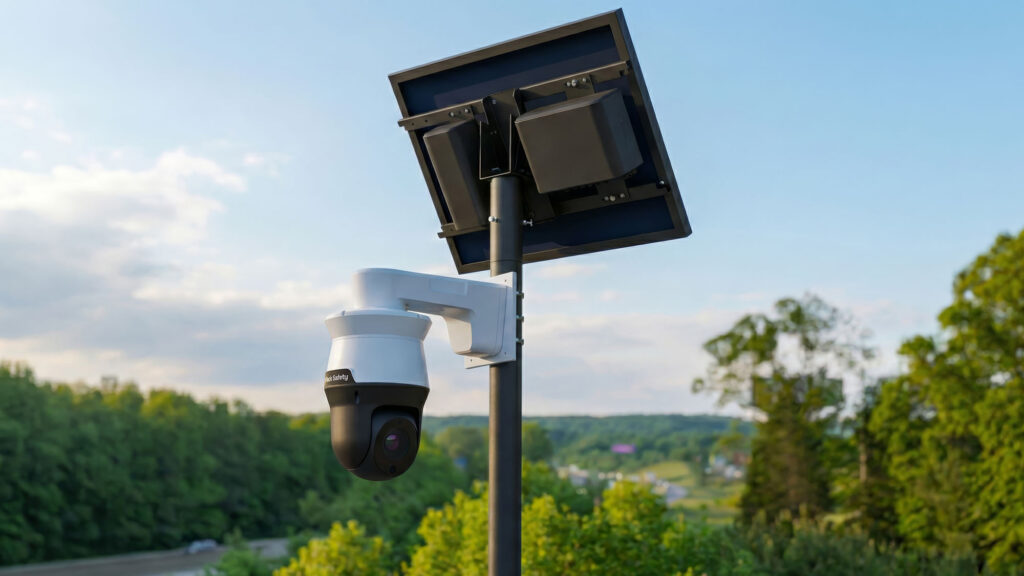

Source: Flock Safety
The situation with ALPR cameras illustrates a broader problem in modern society: surveillance technologies are developing far faster than the legislation capable of regulating them. If previously the collection of data on citizens’ movements was the prerogative of the state, now private companies, which do not answer to the public, are actively joining this process. This creates a situation where millions of drivers are under surveillance every day without even knowing it. The lack of uniform standards for storing and using such data opens the door for potential abuses — from the commercial use of information to unauthorized access by third parties. Until society develops clear rules of the game, such “black boxes” will only multiply, turning ordinary parking lots into elements of a global surveillance network.