


Cost of the SUVs and Hidden Expenses
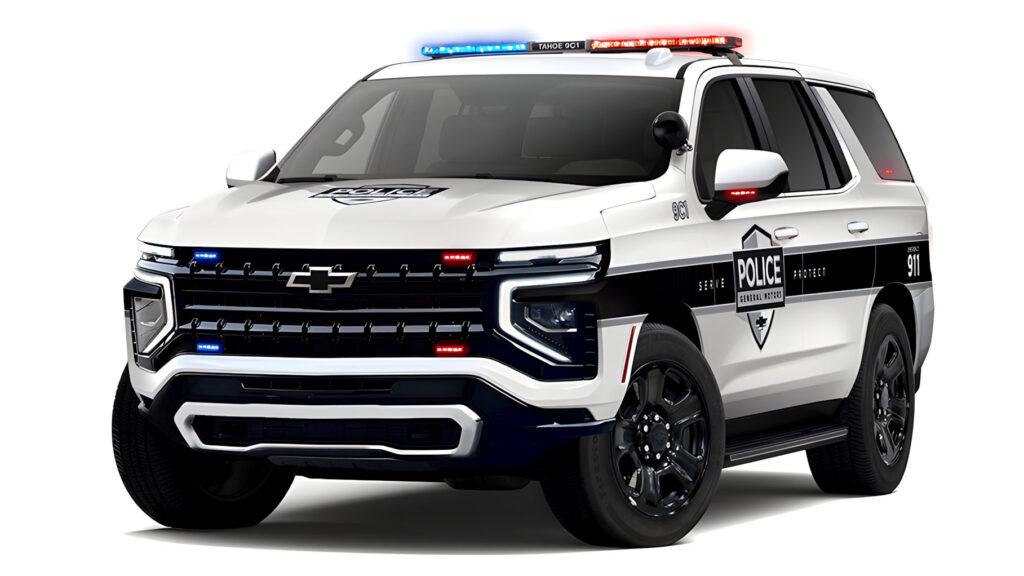
When you see four Chevrolet Tahoes with a total cost of $4.5 million in a budget, it seems like a reason for an immediate audit. In reality, the SUVs themselves were almost secondary. Texas taxpayers are paying for these police vehicles, each equipped with Israeli surveillance technology. These are not simple AI cameras. The engineering solutions in these SUVs allow the police to mass-collect private data.
Emergency Purchase and Its Justification
According to procurement documents obtained by The Drive, the Texas Department of Public Safety approved an emergency purchase for $4,487,500 from the company Cognyte. This is an Israeli surveillance and intelligence company that competes with the American analytics firm Palantir in the government and security sectors. The company develops software and hardware used by military, intelligence, and law enforcement agencies worldwide.
Texas DPS justified bypassing the standard procurement procedure, citing an urgent need to protect personnel, public safety, and operational readiness. Interestingly, the published request provides no details explaining the emergency situation.
The purchase includes four 2026 Chevrolet Tahoes at a price of $150,000 each, totaling $600,000.
What the $3.9 Million Went On
The remaining $3.9 million funds four main FalcoNet systems ($2.85 million), software licenses, portable backpack surveillance systems, antennas, and auxiliary equipment.

FalcoNet Technology and Its Capabilities
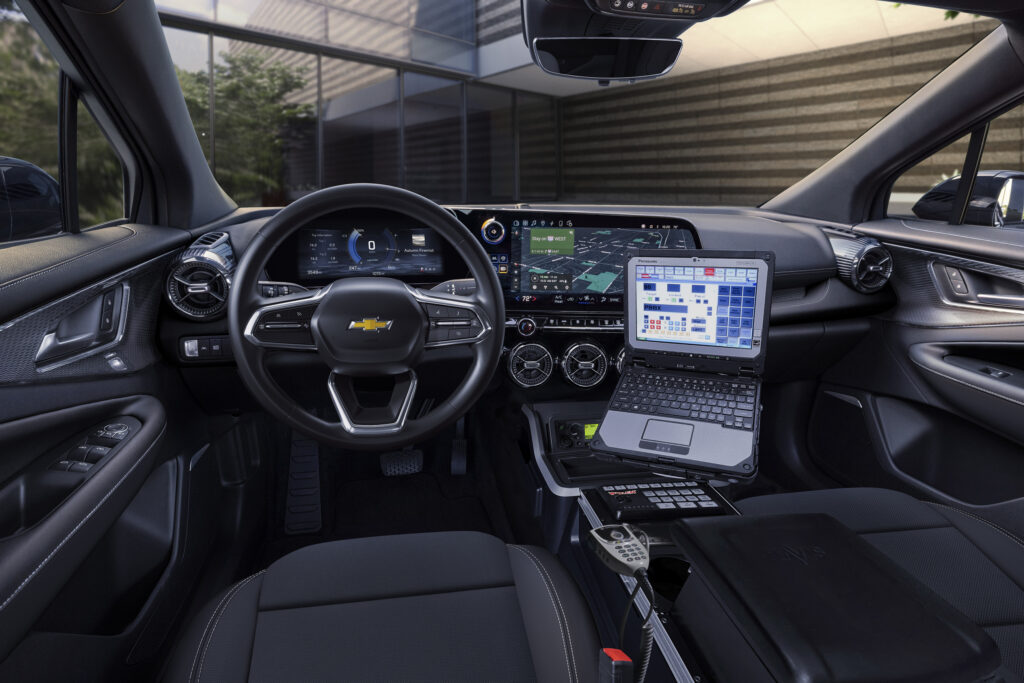
FalcoNet is a cellular interception system designed to identify and collect information from mobile devices in the vicinity. The technology can also be deployed from helicopters or carried in backpacks, giving investigators multiple ways to use the system. In other words, these Tahoes are essentially mobile surveillance platforms.
Once activated, FalcoNet essentially casts a digital net over nearby mobile devices before narrowing its focus on a specific target. By identifying phones within range and then filtering by known identifiers, investigators can track a suspect’s movements without initially knowing the device’s exact location. Privacy advocates argue that this approach inevitably involves collecting information from countless uninvolved individuals, making the technology as controversial as it is powerful.
Arguments “For” and “Against”
Law enforcement agencies argue that technologies like FalcoNet can help find suspects faster, dismantle criminal networks, and locate missing persons. Critics counter that the same capabilities facilitate the collection of information about innocent bystanders, often without their knowledge. Regardless of which side you are on in this debate, Texas taxpayers did not just buy four Chevrolet Tahoes. They funded four mobile surveillance platforms, the most expensive component of which is not under the hood, but hidden inside.


This situation highlights a growing trend where law enforcement agencies invest significant funds not in the vehicles themselves, but in the advanced surveillance technologies they carry. While proponents emphasize the effectiveness of such systems in fighting crime, questions of privacy and mass data collection remain open. The $4.5 million price tag for four SUVs is startling, but the real discussion should revolve around the balance between security and civil liberties in the age of digital technology.