



Automatic License Plate Reading System in Oklahoma City
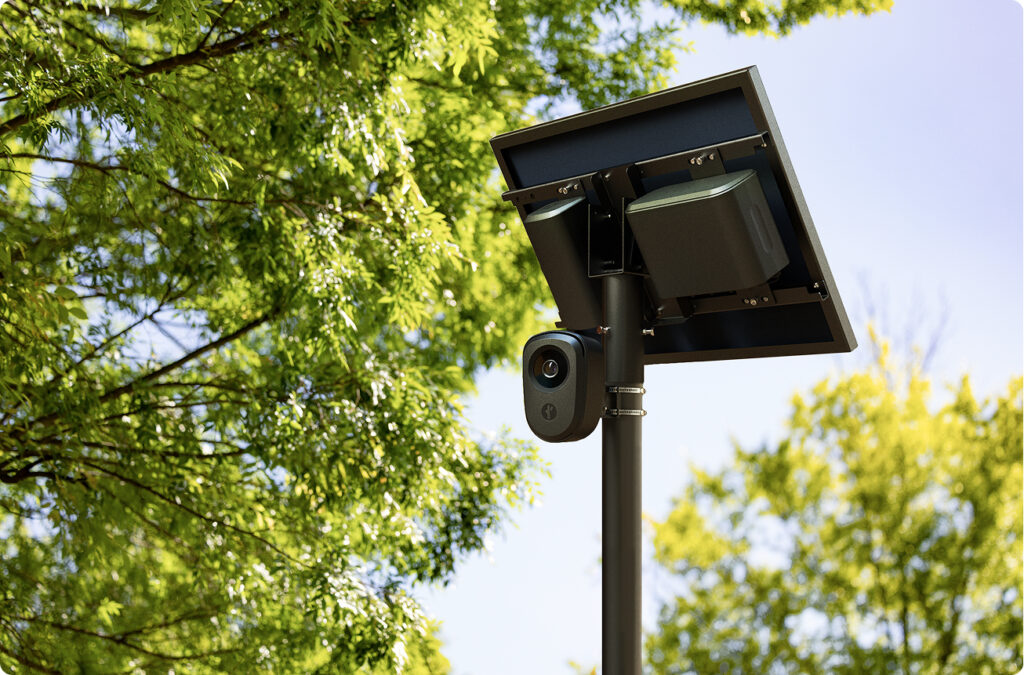
Automated license plate reading cameras do exactly what their name suggests. However, most of them do much more than just scan plates. They record every car that passes by, storing information about the make, model, body damage, and sometimes even bumper stickers. After that, law enforcement officers, and in some cases private individuals, can gain access to this data.
Now one police department is facing criticism for spending hundreds of thousands of dollars on such technology while lacking proper oversight, audit logs, or transparency rules regarding its use.
Lack of Control Over System Use
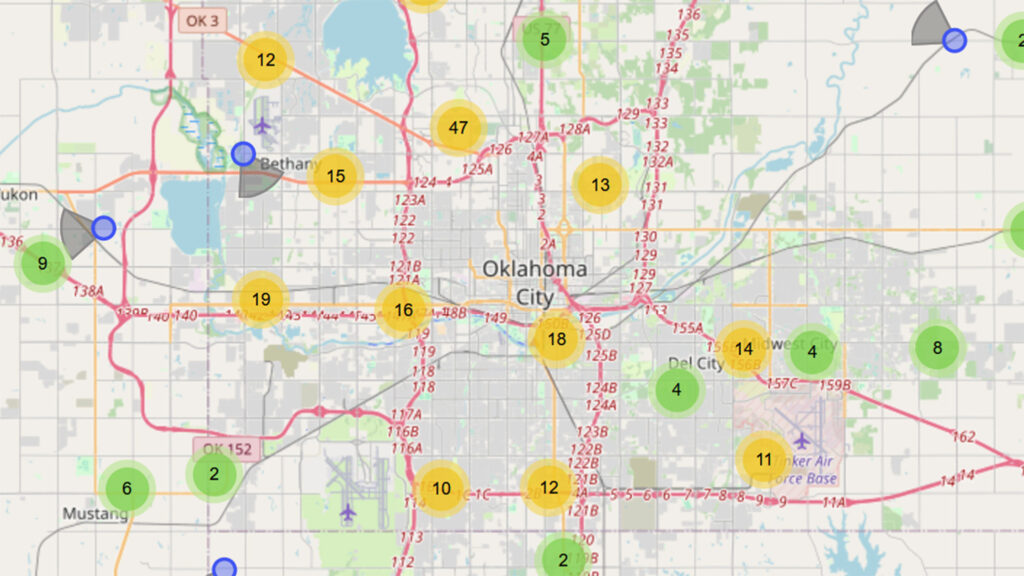
This concerns the Oklahoma City Police Department, where a local resident filed several requests based on the Freedom of Information Act. The department acknowledged that it annually spends $270,000 of taxpayer funds on the Flock Safety system it uses. It does not own the cameras, but only pays for access to the data collected by Flock. Over the contract period, OCPD has spent about $800,000 on the system.
Documents show that the Oklahoma City Police Department has no audit rules for license plate reading systems. The $270,000-per-year surveillance network raises serious privacy concerns. Even agencies with formal policies have faced misuse and data leaks.
According to the FOIA requester, OCPD admitted that it has no published access controls and does not document who can access the system. It also has no prohibited use policies, meaning anyone with access could view or search for anyone without violating clearly written rules. The department also lacks standards for disciplinary sanctions in case someone abuses the system, for example, to stalk an ex-partner.

Legal Uncertainty
The department has no audit procedures to track who accesses the data or how often, and provides no regular transparency reports. Essentially, the department (and Flock) have access to vast amounts of surveillance data without, as the documents show, any formal oversight policy. And there is another piece of the puzzle that makes the situation even more uncertain.
According to Oklahoma statute, automated license plate reading systems tied to the state’s uninsured vehicle enforcement program are limited to insurance control, with restrictions on the use or storage of collected data. The gray area is that the law does not prohibit the operation of other ALPR systems based on separate legal authorities. However, none of these provisions address other issues that critics have previously raised.

Nationwide Security and Privacy Issues
Reports highlighting security and privacy issues with ALPR cameras have emerged across the country. Researchers and oversight groups have documented vulnerabilities that could allow unauthorized access to vehicle data, and there have been several cases where law enforcement personnel misused license plate reading databases, sometimes leading to disciplinary sanctions, dismissal, or even criminal charges. In several cases, misuse only came to light after citizens requested access logs and discovered questionable searches.
At least, in the case of the Oklahoma City Police Department, misuse has not been proven. On the other hand, it would be difficult to prove misuse when the department does not even track who is using the system at all.
I filed public information access requests regarding surveillance cameras in Oklahoma City. The police department’s own memo confirmed that oversight policies do not exist. Here is what I found.
This situation in Oklahoma City is not unique, but it vividly illustrates a common trend: surveillance technologies are often implemented faster than mechanisms for public oversight and rights protection are developed. The lack of basic audit procedures and usage rules creates an environment where potential abuses can go unnoticed. The question of who and on what grounds can track a citizen’s digital footprint is becoming increasingly relevant as networks of such cameras expand. The effectiveness of these systems for law enforcement purposes should not come at the cost of eroding principles of accountability and privacy protection, especially when they are funded by the very citizens whose data is being collected.