


Ford is back in the spotlight: five new recalls, four of which are due to previous errors
Ford is once again proving why it is considered the ‘recall king.’ This time, five new campaigns have been announced, four of which involve vehicles that had been previously repaired, but incorrectly. The situation is quite awkward for a manufacturer that once claimed quality was its top priority.
Since there are many recalls, let’s focus on the main one. The company is recalling 5,252 vehicles due to a problem with the transmission clutch, which can crack and cause fluid leaks. This increases the risk of fire.
Details of the first recall: It concerns Ford Focus models from 2015–2018 and Ford Fusion models from 2013–2016. These cars were ‘improperly repaired’ under two previous campaigns. The manufacturer believes that 100% of these vehicles have the issue because the correct software update was not installed.
Problems with the F-150 and crossovers
The second recall covers 10,742 Ford F-150 pickup trucks from the 2018 model year. According to regulators, quickly moving the gearshift lever can lead to a loss of the selected gear indicator on the instrument panel. This can also cause ‘temporary selection of an unintended gear, such as reverse or neutral.’ These vehicles were also improperly repaired previously, therefore requiring a software update for the powertrain control module.
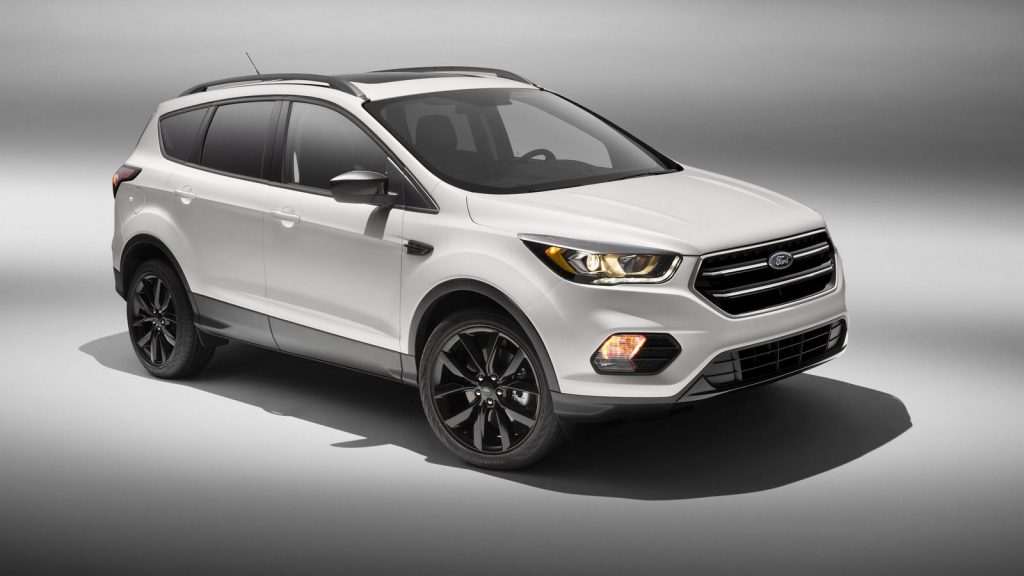
The third recall involves 18,124 Ford Escape crossovers from 2017. In these vehicles, windows may pinch passengers because the auto-reverse system may not work properly. According to the government, ‘the power windows may apply excessive force when encountering an obstruction before automatically reversing.’ This violates federal safety standards. Due to a previous incorrect recall, owners need to update the window lift software.


The fourth recall affects 91,198 F-150 pickups from 2018–2020. In these, the daytime running lights may remain fully bright instead of dimming to the parking light level when switching from ‘Auto’ mode to ‘Headlights On’. This also violates federal safety standards. As in previous cases, these cars were improperly repaired, so owners will have to visit the dealer again for a body control module software update — hopefully correctly this time.
New recall: Ford Explorer may move on its own
Since four recalls due to previous errors might seem boring, Ford decided to add some ‘spice’ with a completely new campaign. It concerns 2024 Ford Explorer crossovers with the 2.3 EcoBoost engine, which may move on their own.


The problem is quite complex. The safety report states that these vehicles may experience unintended reboots of the powertrain control module. If this happens while driving, the parking system can be damaged. This, in turn, can prevent the vehicle from shifting into Park, leading to unexpected rolling.
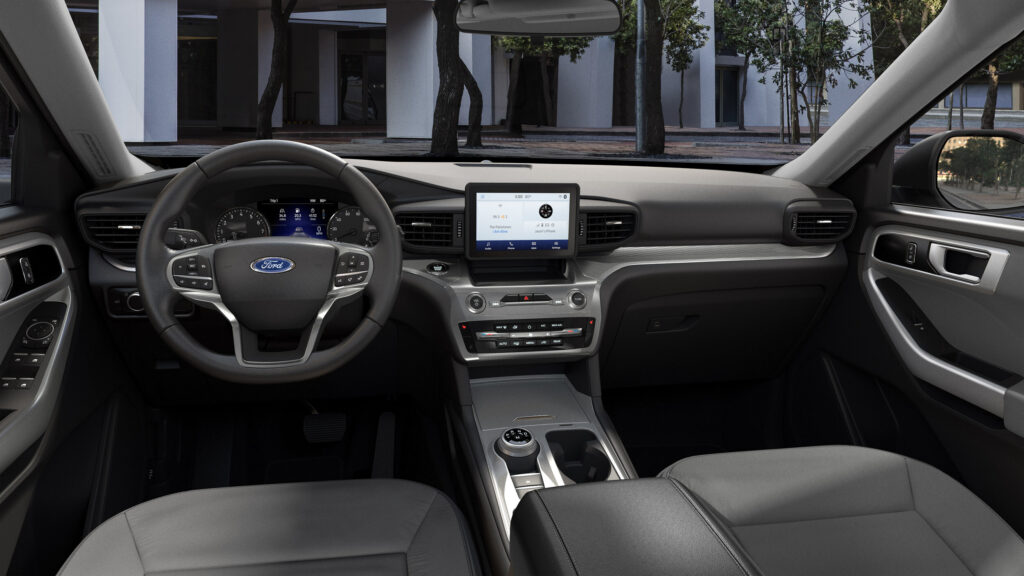

The cause is said to be a Diagnostic Identifier data packet that is too large for the control module to process. This causes a buffer overflow, leading to a reboot. During such a reboot, the transmission shifts into Park, even if the vehicle is moving.
Ford learned of the problem in May and found 27 warranty claims potentially related to it. Fortunately, no accidents or injuries were reported. As part of the recall, dealers will inspect the parking system for damage and replace necessary parts.


These incidents highlight a systemic problem in Ford’s approach to quality control and repair execution. The fact that most new recalls are related to previous errors indicates serious flaws in the verification and software update processes. For a company that once prided itself on its reliability, such repeated mistakes are not only a financial burden but also a serious blow to its reputation. Consumers who have already visited dealers for warranty repairs are now forced to do so again, undermining trust in the brand. In a highly competitive automotive market where quality and safety are key selection factors, such systemic failures could cost Ford a significant market share.