


In the first quarter of 2026, Porsche recorded a significant drop in sales. The total number of cars delivered to customers fell by 15 percent to 60,991 units, compared to 71,470 cars in the same period last year.
Key Quarter Highlights
This situation occurred after the company admitted to a sharp 93 percent drop in operating profit in 2025. Porsche explains the sales decline by the end of production of the 718 series models and the stabilization of interest in the electric Macan after the initial hype surrounding its debut. However, even greater difficulties may lie ahead for the company.
The Problem with the Sales Leader
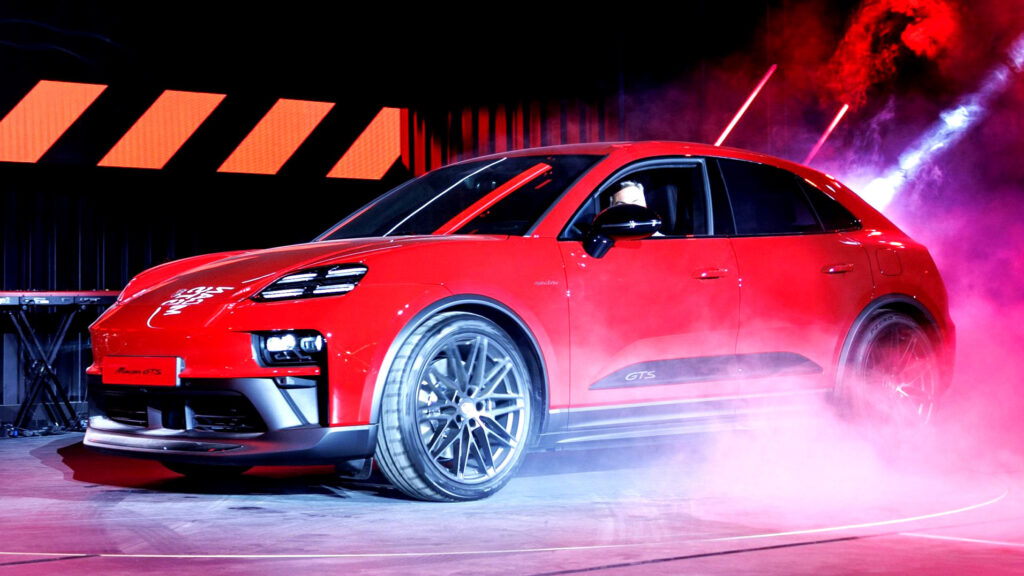
The most concern is caused by the situation with the Macan model, which was previously the best-selling model in the brand’s lineup. Its deliveries fell by 23 percent to 18,209 units. Moreover, more than half of them — 10,130 cars — are still versions with internal combustion engines. The electric version accounts for only 8,079 deliveries, which is 43 percent less than last year. Since production of the ICE Macan will cease in the summer, and a new full-fledged replacement is not expected for several years, Porsche risks losing its main “workhorse.”
A Bright Exception and Overall Decline
While most models showed negative dynamics, the Cayenne maintained relative stability with 19,183 deliveries (a drop of only 4%), becoming the brand’s best-selling crossover. Meanwhile, the legendary 911 completely ignores the general downward trend. Sales of this sports car grew by 22 percent to 13,889 units, once again proving the strength of the brand and the model’s legacy.
The rest of the Porsche lineup ended the quarter with significant losses: Taycan deliveries fell by 19% (to 3,420 units), Panamera — by 42% (to 4,498 units), which the company explains by the model’s update, especially in the Chinese market. Production of the 718 series, which has effectively been taken off the assembly line, decreased by 60 percent to just 1,792 cars.
Regional Distribution: Problems in Key Markets
The regional picture is also not encouraging. North America remains Porsche’s largest market (18,344 deliveries), but a decline of 11 percent is observed here as well, likely due to changes in government incentives and tariff pressure. Europe (excluding Germany) showed an 18% drop (14,710 units), and sales in overseas and emerging markets fell by 20% (12,640 units).
Difficulties in the Chinese Market
The situation remains particularly acute in China, where deliveries shrank by 21 percent to 7,519 cars. Local brands are increasing pressure in the premium segment, taking market share. Porsche states that it is now focusing on value, not volume, in this region, which is often a sign of lost positions.
The combination of factors — a cooling electric vehicle market, increased competition, and the inevitable loss of the conventional Macan — suggests that Porsche’s explanations about time gaps between model generations reveal only part of the problem. The coming quarters may prove even more difficult for the company.
Porsche sales by model in the first quarter look like this:
- Cayenne: 19,183 (down 4%)
- Macan (total): 18,209 (down 23%)
- Of which electric: 8,079 (down 43%)
- 911: 13,889 (up 22%)
- Taycan: 3,420 (down 19%)
- Panamera: 4,498 (down 42%)
- 718 Boxster/Cayman: 1,792 (down 60%)
By region, delivery dynamics are as follows:
- World: 60,991 (down 15%)
- Germany: 7,778 (slight increase of 4%)
- North America: 18,344 (down 11%)
- China: 7,519 (down 21%)
- Europe (excluding Germany): 14,710 (down 18%)
- Overseas and emerging markets: 12,640 (down 20%)
These figures clearly illustrate the transitional period in which the manufacturer finds itself. The success of the 911 and the stability of the Cayenne emphasize that the brand’s traditional strengths continue to work. However, the future depends on how quickly and effectively the gaps in the product portfolio can be filled, especially in the compact crossover segment, and on adapting to new realities in key markets such as China. The publication of detailed sales data is a step towards transparency, allowing investors and brand enthusiasts to better understand the scale of the challenges facing the company in the era of electrification and geopolitical instability.