


What is known about the incident
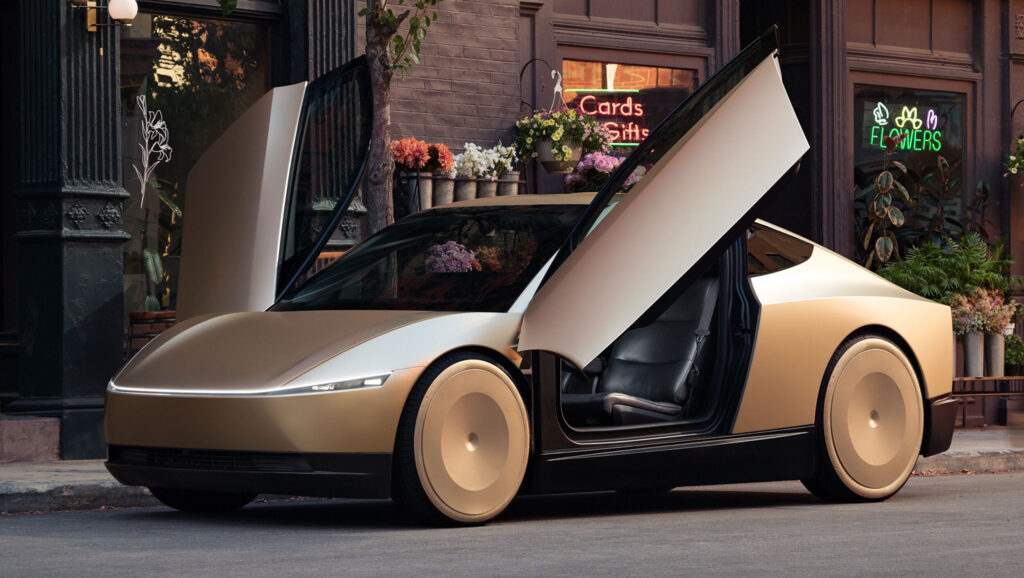
Tesla’s autonomous driving technology has long attracted a lot of attention, so the new Cybercab has also found itself in the spotlight. However, some people seem to be going too far with this.
In a video posted on social media, a man can be seen standing behind a pole and then suddenly jumping out onto the roadway in front of the Cybercab. He appears to have wanted to hide from the vehicle and check whether the system could detect him and stop at the last moment.
How the man behaved after the Cybercab stopped
The Cybercab did stop, but the experiment itself was very reckless and dangerous. Despite this, the man ran alongside the car and then returned to the road again. Two more similar attempts can be seen in the frame, although in the last one he no longer stepped onto the roadway.
Most importantly, everything took place on an ordinary public street where other traffic was moving. Closer to the middle of the video, a driver in a blue Jeep even had to change lanes because of the situation.
The footage shows the SUV ending up behind the Cybercab for some time. The driver quickly changes lanes and drives around the robotaxi. But if he had not been watching the road, such a stunt could easily have led to an accident.
Tesla robotaxis definitely face a huge problem when people deliberately stop the car. This man is playing with the new Cybercab, however, the inability to avoid someone trying to harm the vehicle or, especially, passengers is likely a design flaw.
Of course, you should not put yourself and others in danger just to test a self-driving car. If you want a ride, go ahead and get in. But don’t throw yourself under the wheels or run in front of the car to check whether it will hit you. Otherwise, you might literally be “competing” for a Darwin Award.
How this relates to the NHTSA investigation
This month, the U.S. National Highway Traffic Safety Administration opened an investigation after Tesla began commercially operating a small number of Cybercabs in Austin, Texas.
Tesla confirmed that the vehicles comply with current federal motor vehicle safety standards, although the Cybercab has no brake pedal, no accelerator pedal, no steering wheel, and no mirrors. The investigation is expected to determine how justified Tesla’s decision was to consider some of these standards inapplicable to the robotaxi.
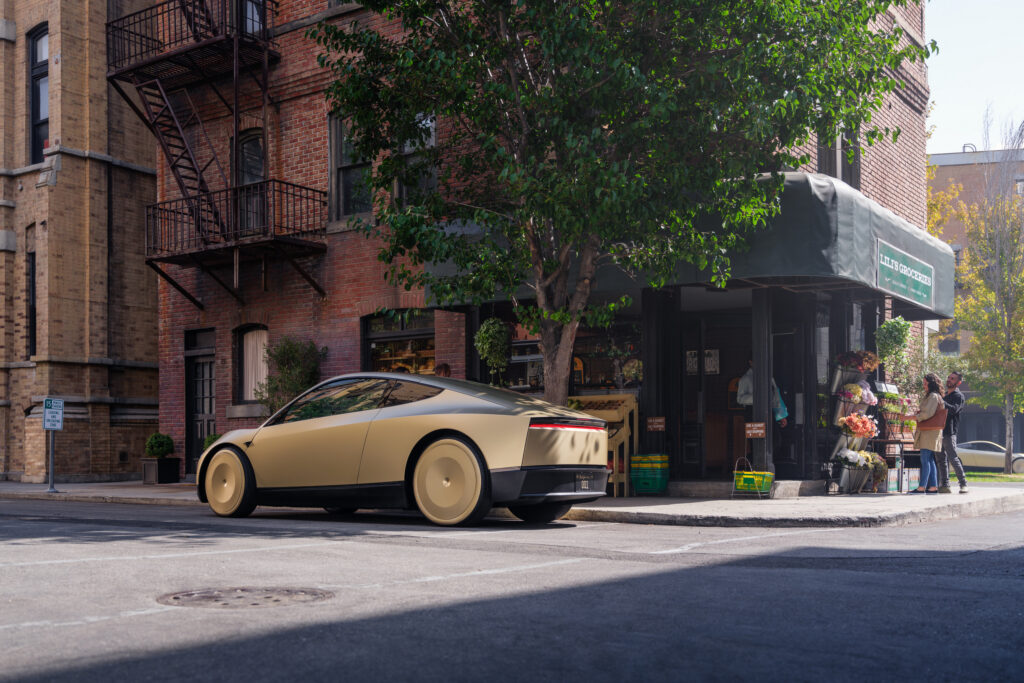

There have already been incidents when the Cybercab found itself in unusual situations: for example, robotaxis were blocked by bollards, and it simply broke through them. The latest video of a man jumping in front of the car raises another important question: is the system ready for deliberate provocations? So far, the Cybercab has stopped every time, but such “tests” show that the real environment can be much more unpredictable than any test track. The human factor remains one of the most difficult obstacles for self-driving transport, and this case clearly demonstrates it.