


Key findings from the study on service satisfaction at dealership centers:
Expectations for Premium Service
Premium car buyers expect not only quality materials and engineering but also a corresponding level of service at dealership centers. Porsche owners, it seems, are getting exactly that experience.
Study Leaders
According to the J.D. Power 2026 U.S. Customer Service Index Study, Porsche leads the industry in satisfaction with dealer service. The brand scored 915 points on a 1000-point scale, significantly above the overall industry average of 868 points. This score increased by three points compared to last year. Among premium brands, Infiniti took second place with a score of 912 points, and third was Lexus with 900 points.
The situation among mass-market brands looks different. Mini finished first with a score of 887, slightly ahead of Subaru (886) and Buick (882). Mazda was also near the top with 884 points, while Chevrolet scored 873 points.
Methodology and Rating Details
The study’s conclusions are based on responses from 51,228 registered owners and lessees of vehicles aged 1 to 3 years. The survey was conducted from January through December 2025.
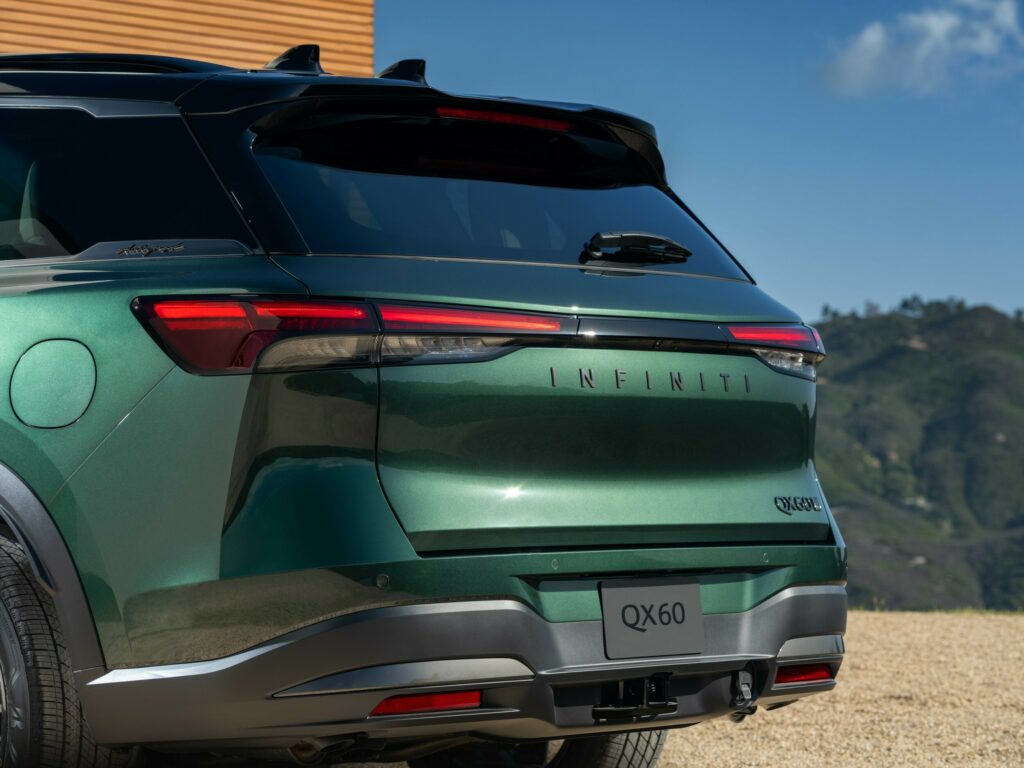

In the premium passenger car category, first place ended in a tie. Porsche and Infiniti showed identical results of 921 points, sharing leadership in the segment. The picture is somewhat different in the ratings for premium SUVs. Here, Infiniti led the category with 911 points, slightly ahead of Porsche (910), with Lexus following them with 897 points.
The winner is different in the truck segment. Ford finished first with a score of 869, Toyota was close behind with 864 points, and Chevrolet took third place with 853 points.
Service Duration and Opportunities for Improvement
The J.D. Power study found that most visits to dealership centers are related to maintenance and simple service work, such as oil changes or tire rotations. Although service quality may be good, such work at dealership centers often takes three times longer than at independent workshops.
Mass-market brand customers spend an average of 1.61 hours at the dealer for scheduled maintenance. Premium car owners wait even longer—their visits last approximately 2.46 hours. According to the study, reducing these wait times could play a key role in getting more customers to return to dealership service departments.


The Importance of Visualization for Customers
Many car owners also want service centers to provide photo and video documentation along with the results of comprehensive inspections. According to the study, 64% of customers state they would like to receive such visual proof during service, however, only 26% of mass-market brand customers and 44% of premium brand customers report receiving it. Satisfaction levels also improve when such updates are provided, especially in the early stages of the service process.
Features of Direct-to-Consumer Brands
Companies like Tesla and Rivian also have room to grow. Both brands sell cars directly to consumers and do not have the same network of dealer service centers as most other traditional companies, making mobile service options more common. While the average industry score was 868 points, service satisfaction among direct-to-consumer brands was noticeably lower at 855 points.


J.D. Power notes that customers who rate their satisfaction level very highly—at 950 points and above—are much more likely to return for scheduled service and purchase their next vehicle from the same brand.
This data clearly demonstrates that even in the era of electrification and digital sales, traditional aspects of customer interaction remain critically important. The success of Porsche and Infiniti indicates that combining a quality product with a high level of service support creates strong loyalty. At the same time, the challenges faced by new manufacturers like Tesla and Rivian highlight the difficulty of building a full-fledged service ecosystem from scratch. Reducing wait times and implementing transparent visual reports could be key steps for all market players seeking to retain customers in the long term.