


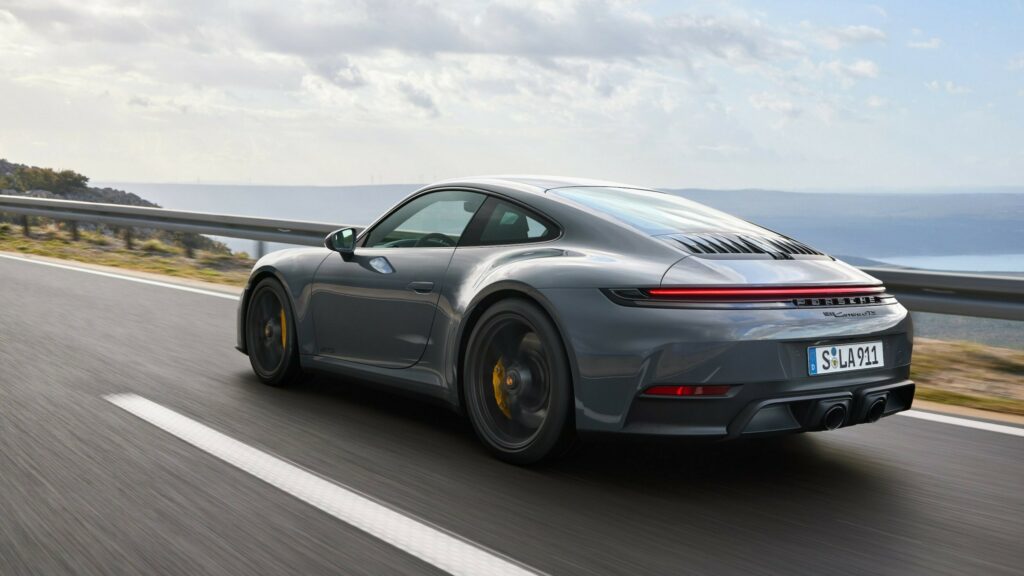
Porsche does not plan to create a fully electric 911 this decade
Fans can breathe a sigh of relief. Porsche has no intention of building a fully electric 911 in the foreseeable future, instead relying on internal combustion engines and hybrid powertrains for the model that more or less defines the brand.
Experiments will take place elsewhere. The next generation of the 718 Cayman and Boxster is still planned to be battery-powered, even after internal reviews and program delays that could have overshadowed this plan. Both cars will be sold as electric vehicles alongside ICE versions, which will occupy a higher position in the model range.
Daniel Schmollinger, Managing Director of Porsche Cars Australia, told local media CarSales about electrification plans in the sports car segment:
“We will introduce the electric 718 as the first two-door electric sports car. The 911 remains as it is for now. Thanks to the T-hybrid technology, it shows what is possible without a full battery, but still using this amazing technology.”
The 911 remains the last bastion of the internal combustion engine
Porsche has always positioned the 911 as the last model with an internal combustion engine, even in a future where the rest of the lineup goes electric. The plan has not changed, although the context around it has. Weaker demand for electric vehicles has forced Zuffenhausen to revise its electrification timeline, pushing the battery-powered 911 further into the realm of the hypothetical.
The T-Hybrid system, used in the GTS and Turbo S versions of the 992.2 generation, uses electrification to enhance performance without the weight penalty inherent to battery electric powertrains. Porsche is expected to follow a similar path for other members of the lineup, adhering to non-hybrid solutions for iconic models such as the GT3 RS.
The Macan situation
Schmollinger touched on the topic of the Macan EV, acknowledging that initial sales volumes are in no way comparable to the figures of its aging gasoline-powered predecessor. The latter will soon cease production in Germany, with Porsche stockpiling such vehicles to meet demand in specific markets.
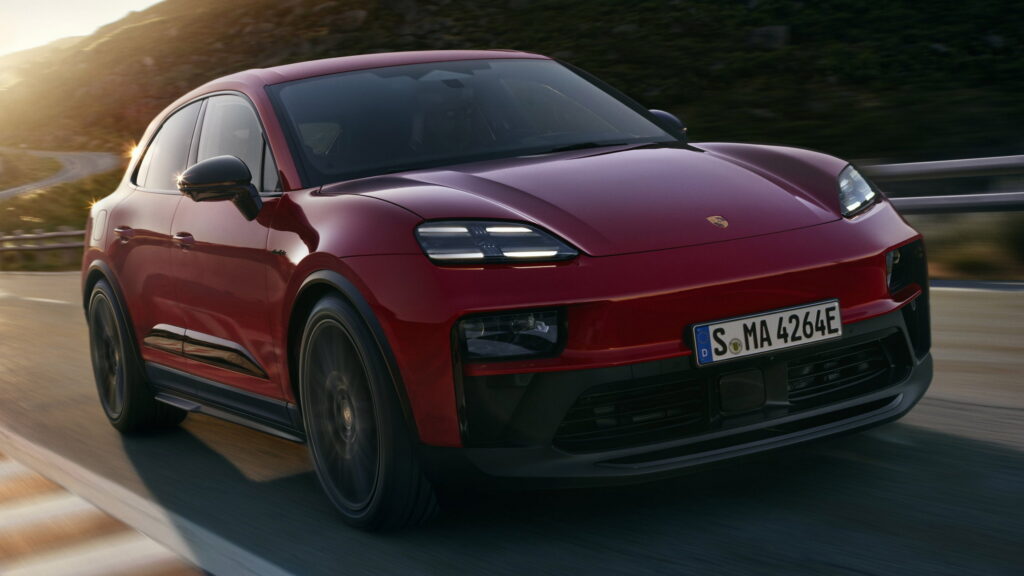

Nevertheless, the CEO of Porsche Australia attributes the lack of interest in the electric vehicle to consumer readiness, not the car itself:
“It is not a decision against the car or the Macan as such, it is a decision against being ready for electrics. That is absolutely normal. Everyone should choose the technology and the car they are comfortable with.”
A hedging strategy across the model range
The answer to this in the rest of the lineup is to offer everything. The Cayenne is sold with gasoline, plug-in hybrid, and fully electric powertrains, and a hybrid version of the next Macan is being developed for parallel production with the EV. This is a portfolio designed to adapt to whichever direction the market actually moves.
Synthetic fuel, another lever that Porsche uses, is still far from relevance. Schmollinger admits the technology is “far from mass adoption.” He also notes that he himself drives an electric vehicle, and that Porsche always expected the pace of EV adoption to vary across different markets, depending on charging networks, policies, and consumer appetite.
Thus, Porsche chooses a pragmatic approach, remaining faithful to the internal combustion engine for its most important model, the 911, while cautiously advancing electrification through the 718 and other models. The company acknowledges that the market is not ready for a full transition to electric power, and therefore offers a wide selection of powertrains to meet different needs and conditions. This allows Porsche to mitigate the risks associated with the uncertain future demand for electric vehicles and continue to serve its traditional customer base, which values classic sports cars with internal combustion engines.