


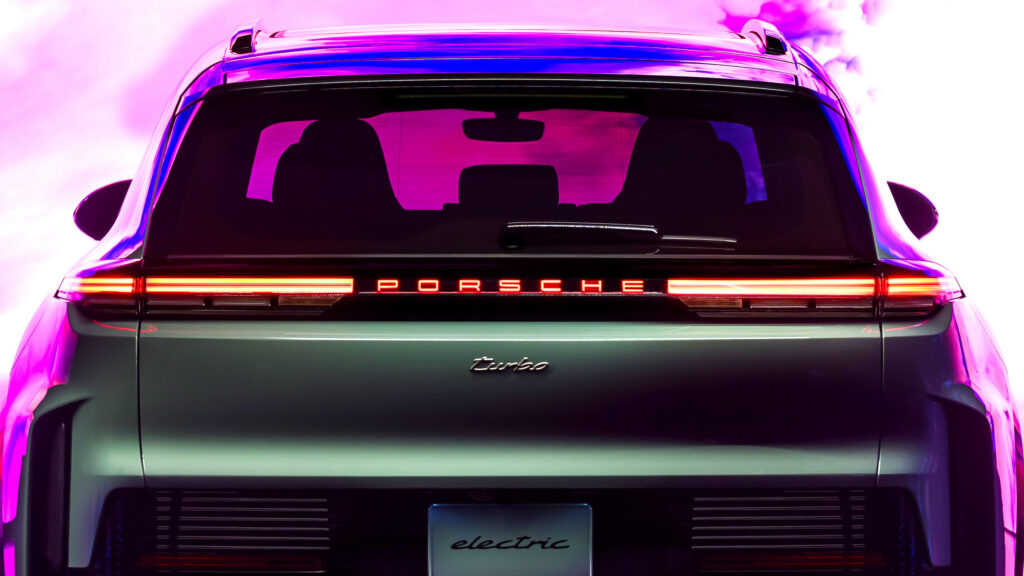
German automaker Porsche is once again raising prices for its cars. This is the third such adjustment in the past twelve months.
Details of the Price Increase
The automaker is preparing for a new round of price increases for most models starting at the beginning of next year. This step is linked to the company’s attempts to absorb the financial consequences of trade tariffs introduced during the Trump administration, which still remain a significant financial burden.
Dealerships in the US were warned about the planned changes as early as December 10th. A Porsche representative later confirmed that the price hike would affect the vast majority, but not all, cars, and would range from 1.2 to 2.9 percent depending on the model.
The company has not yet published an updated price structure for the 2026 model year cars, so it remains uncertain which specific models will see the largest increase and which might avoid changes.
The brand stated that customers wishing to preserve current prices must take delivery of their new car by January 5, 2026. Management had hinted at the future price correction back during the presentation of third-quarter financial results at the end of October.
This is not just an American trend. The price increase affects all 2026 models worldwide, and adjustments are applied across all markets and regions.
Cost of Tariffs for the Company
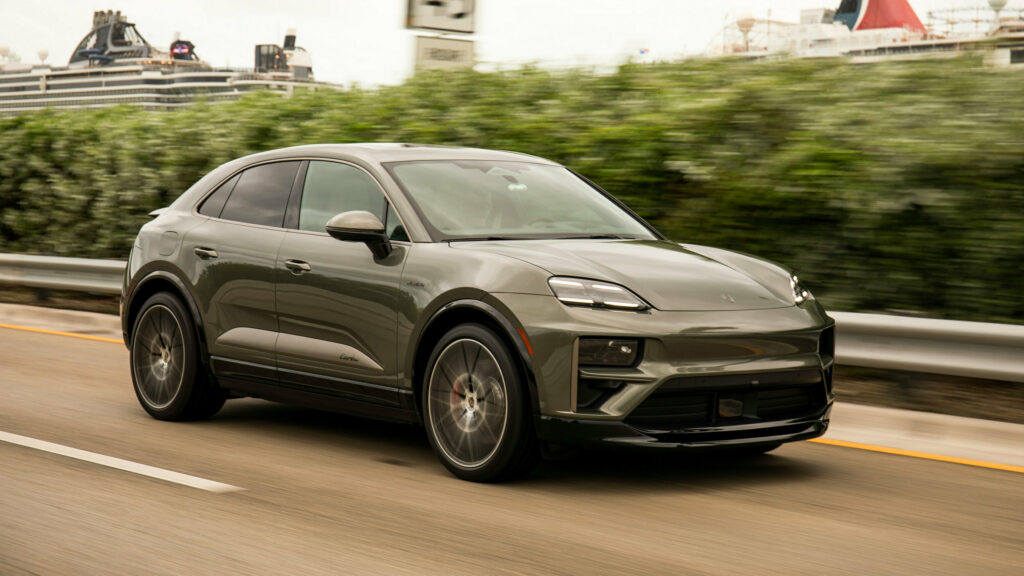

Porsche CEO Jochen Brecker stated in a comment for Auto News that the continuation of US tariffs is expected to cost the company $813 million this year. This amount remains significant, even after the duty rate on cars imported from the European Union was reduced to 15 percent.
Porsche’s position is complicated by the fact that, unlike BMW or Mercedes, it does not manufacture any cars in the United States. Without domestic production capacity, there is no buffer against the additional cost of import duties.
Market Reaction and Past Increases
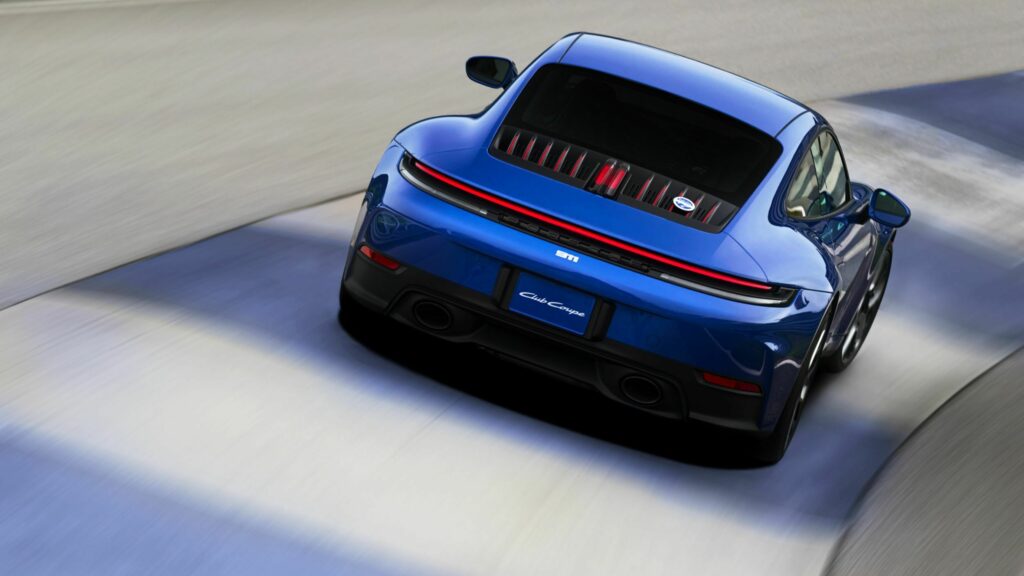
The first price increase occurred at the end of March, when Porsche transitioned to the 2026 model year. The second increase followed in July, which was then explained by prevailing market conditions. That round of increases led to some models, particularly the 911 Turbo S, becoming more expensive by up to $8,300.
Interestingly, despite all this, customer demand appears to remain stable. Porsche sales in the US have increased by 5.6 percent since the beginning of the year, indicating that premium segment buyers are not frightened by the upward price trajectory.
The series of price increases from Porsche raises questions about demand elasticity in the luxury segment. Sales growth despite the rising cost may indicate unique customer loyalty to the brand or that economic factors matter less for this category of buyers. However, the lack of production in the US makes the company particularly vulnerable to trade policy decisions, and this dependence is likely to be a defining factor in its pricing strategy on the American market in the near future. Future dynamics will show how long the brand can balance between covering rising costs and remaining attractive to its customers.