


Porsche radically changes strategy: cuts, closures, and return to gasoline
Porsche, which for years has been convincing the world of the inevitability of an electric future, is now forced to urgently revive the internal combustion engine lineup it had already started to abandon. At the same time, the manufacturer is cutting thousands of jobs, closing entire divisions, and reshuffling management in an attempt to stabilize the situation and increase profitability.
After selling its stake in Bugatti and Rimac last month, the company this week confirmed plans to cut more than 500 jobs and cease operations of several subsidiaries focused on electrification. As part of a major restructuring, Cellforce Group, Porsche eBike Performance, and Cetitec are being closed, with the focus shifting back to the core automotive business.
Closure of electric subsidiaries and job losses
Cellforce, a joint venture by Porsche to develop high-performance lithium-ion batteries for future electric vehicles and motorsport, “no longer has a sufficiently viable long-term perspective.” The closure of this division will result in the loss of 50 jobs.
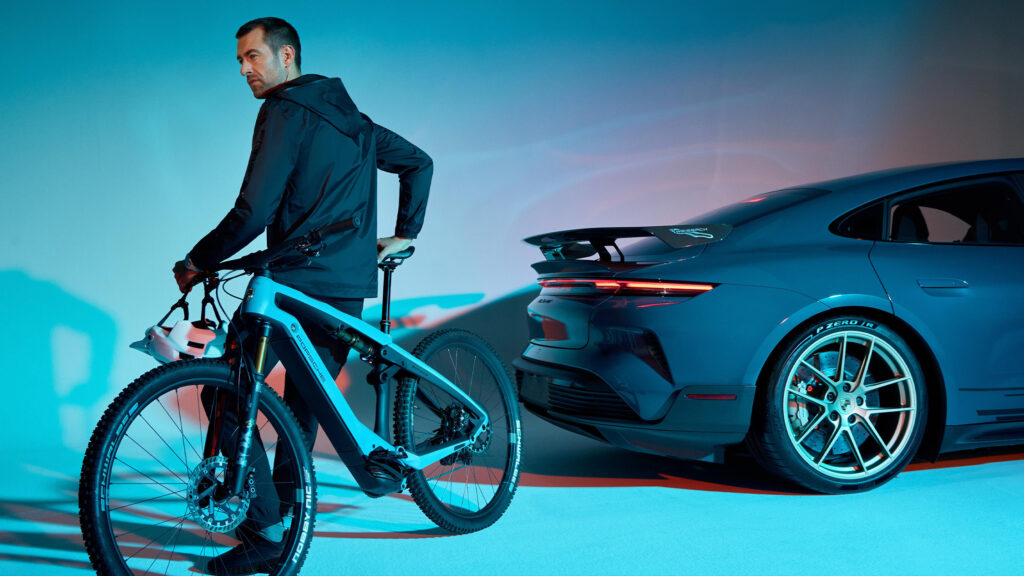
Porsche eBike Performance, which dealt with drive systems for electric bicycles, is also ceasing operations due to “fundamentally changed market conditions.” This will cost 360 employees their jobs. Additionally, the engineering consulting company Cetitec, which specialized in developing automotive software, is shutting down. As a result, 60 people in Germany and another 30 in Croatia will lose their jobs.
Return to core business
“Porsche must refocus on its core business. This is an indispensable foundation for a successful strategic reorientation, which forces us to make painful cuts, including in our subsidiaries,” said Porsche CEO Michael Leiter, announcing the changes.
Board restructuring and an expensive “roof”
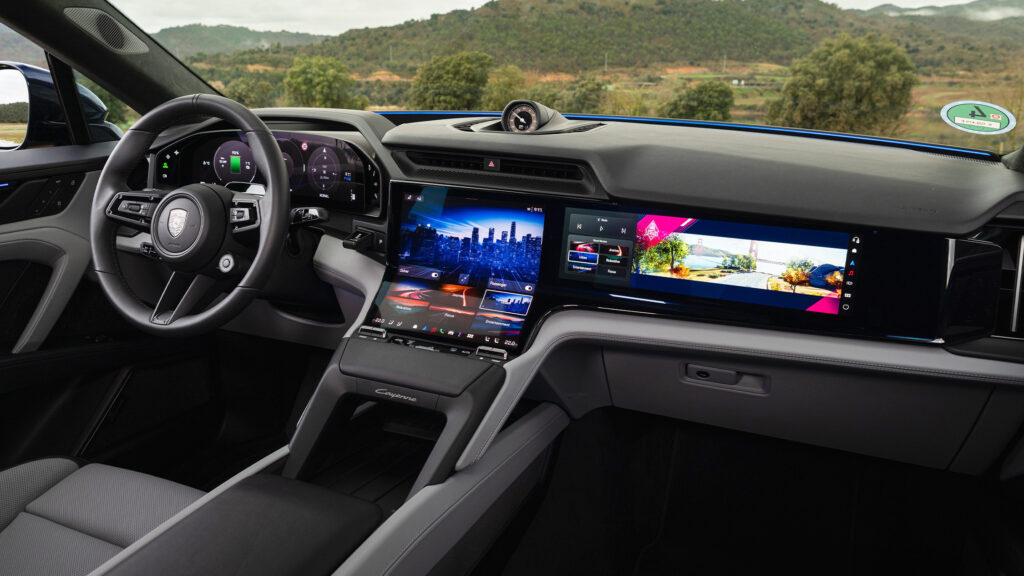
At the same time, Porsche is reorganizing its board, integrating the separate Car-IT division into the general research and development department under the leadership of Michael Steiner. This is a notable step, as a few years ago the company specifically created a separate board position responsible for software to poach Sajjad Khan from Mercedes-Benz. Khan was supposed to modernize Porsche’s infotainment systems, and his influence is already visible in the redesigned interior of the electric Cayenne. However, this influence came at a high price: last year, Khan earned, according to Automobilwoche, €1.4 million ($1.65 million).

Painful product dilemma: death of the gasoline Macan
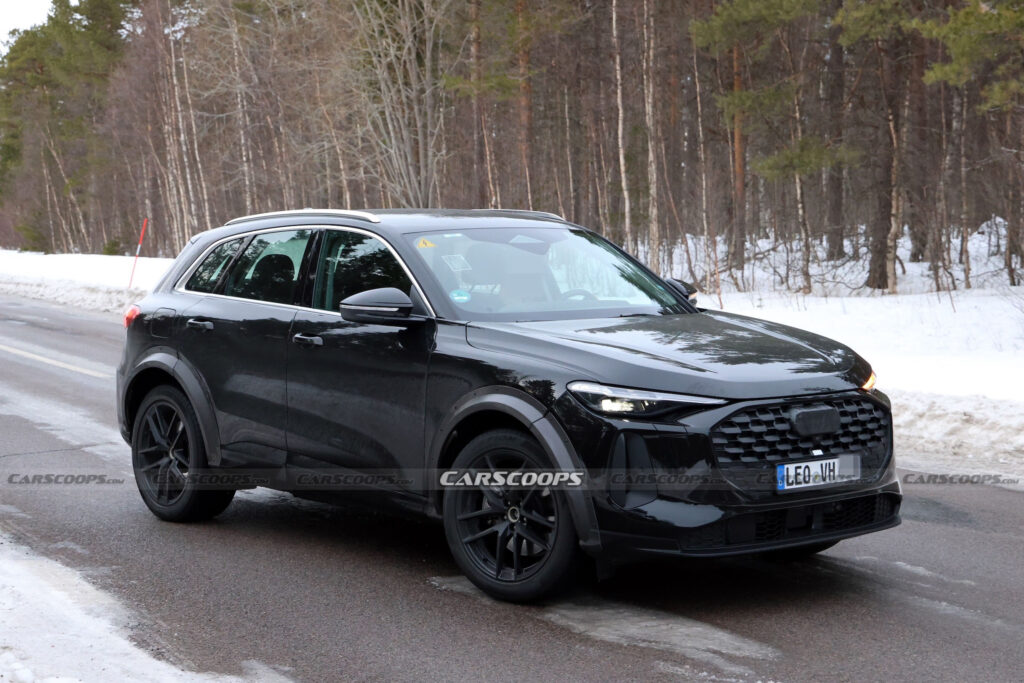
However, the biggest problem remains Porsche’s increasingly awkward product strategy. The company is preparing to cease production of the gasoline Macan this summer, despite the fact that demand for this ICE model significantly exceeds interest in the electric replacement in many markets, especially in the US. According to reports, Porsche will not have a new gasoline or hybrid Macan (which is being tested as an Audi Q5 mule) before 2028, creating a painful gap in one of its most important model lineups.

Meanwhile, sales in China continue to fall, as local electric car brands offer cheaper alternatives filled with modern technology. It’s good that Porsche has finally decided to act decisively, but the pain from these changes will not disappear overnight. The company will have to endure difficult years while it waits for the new gasoline Macan, which it once thought it would never need.