


Key Facts
Porsche’s Unexpected Decision
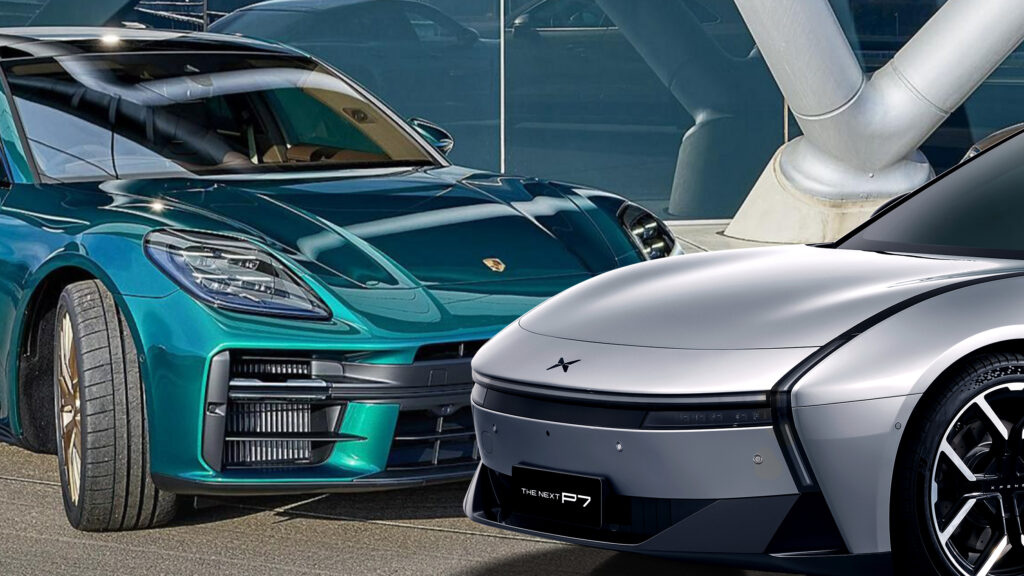
Instead of pooling its European emissions figures with Volkswagen Group in 2026–2027, Porsche will pool them with Chinese manufacturer Xpeng. This follows from a new report cited by analyst Matthias Schmidt. This puts VW Group in a more favorable position: removing Porsche from the common pool improves the average result and helps avoid critical fines.
Figures and Fines
In 2025, VW Group’s average emissions in Europe, including Porsche, stood at 100 g/km. This exceeds the EU norm of 93.6 g/km. If targets are not met, the concern could be forced to pay up to €1.5 billion ($1.7 billion) in fines for the 2025–2027 period. Currently, the fine is €95 ($109) for each gram above the limit per vehicle.
Why Porsche Could Be a Burden
Porsche would most likely have weighed down VW Group’s overall figure, as the brand’s EV sales in Europe have declined. The reason is falling demand for the Taycan and the fully electric Macan. In addition, the company has again shifted focus to models with internal combustion engines.
The Cost of the Issue
There is no official information about how much Porsche pays Xpeng for pooling figures. However, it is clear that this cost is the lesser evil compared with exceeding VW Group’s limit and paying a fine. According to Auto News, in the first six months of this year Xpeng sold around 19,000 electric vehicles in Europe, up 126% from the same period last year.
How Pools Work
The Porsche–Xpeng pool remains open, so other automakers can join if they wish. Entry is possible until December 31. There are other important pools: the Tesla pool, which includes Ford, Honda, Mazda and Suzuki, as well as the Mercedes-Benz pool with Volvo, Polestar and Smart.
A Partnership That Is Not Surprising
Porsche’s decision to join forces with Xpeng may seem unexpected, but in fact VW Group already has close ties with this Chinese manufacturer. In China, the companies are jointly developing an architecture and several new models.
This move reflects a broader trend: manufacturers are increasingly using pools as a flexible tool to meet environmental requirements without cutting production of profitable models. For Porsche, it is also a way to maintain a balance between electrification and traditional engines while gaining access to Chinese technology. For VW Group, it is an opportunity to reduce the burden on its average figures and focus on large-scale capacities. Such pools are likely to become even more common, as regulations tighten every year and the cost of mistakes grows.