 by
by Rethinking Electric Strategy
Many automakers are reviewing their electric vehicle strategies. In the case of some companies, it’s understandable that they probably took on too much. However, even Porsche has now joined this process, which, like other major brands, is drastically changing its electric plans. The brand’s former CEO openly admitted that making the Macan an exclusively electric model was a mistake. Porsche already has plans to correct this misstep.
Macan Strategy Mistake
Former CEO Oliver Blume, who stepped down in early 2026, stated that the decision to make the next generation Macan exclusively electric was a mistake. Commenting on the situation for Frankfurter Allgemeine Zeitung, Blume said:
“We were wrong about the Macan”
, reflecting on Porsche’s 2019 decision to discontinue the gasoline Macan in favor of a fully electric model.
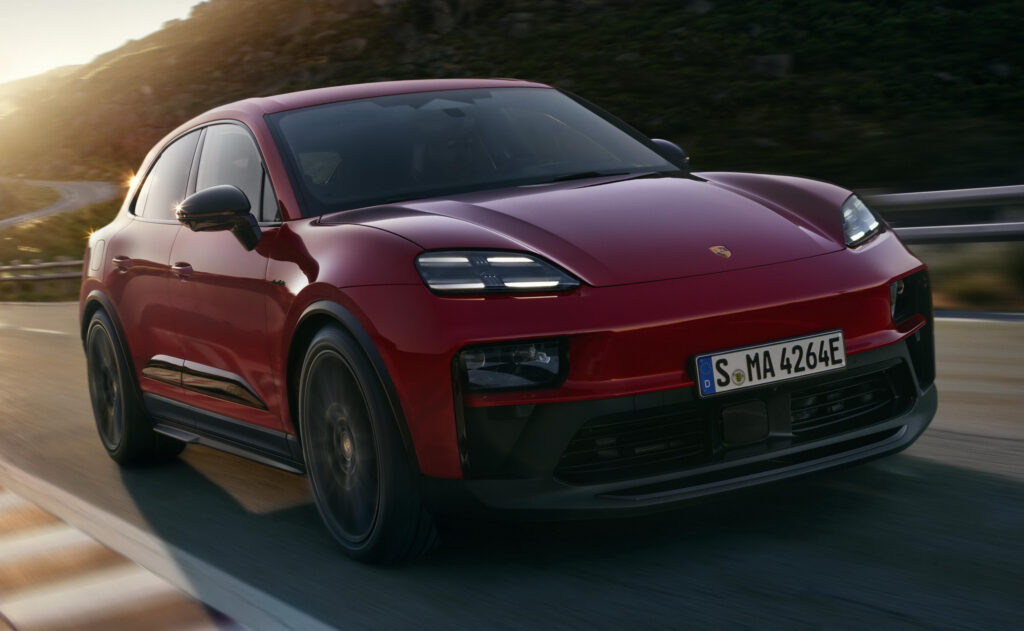
The electric vehicle debuted in early 2024. While purists were not thrilled, many believed that most Macan buyers were more interested in the badge itself than the type of engine. However, cooling demand for expensive luxury electric vehicles and regulatory hurdles have made the fully electric Macan harder to sell than expected. Blume acknowledged that with hindsight, everything seems more obvious.
“Based on the data at the time, we would have made the same decision,” said Blume, “but today the situation is different. We are responding by adding internal combustion engines and hybrids”
. Porsche now plans to bring a compact crossover with an internal combustion engine back to the market, but it will not be called the Macan.
What Comes After the Electric Macan?
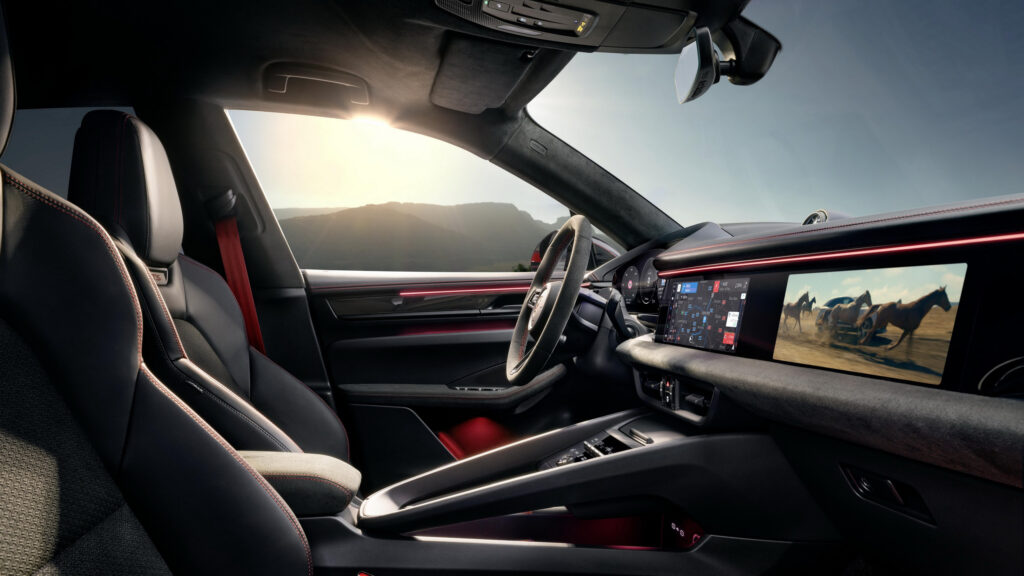
The new model, set to appear no later than 2028, will occupy the same niche below the Cayenne SUV. It is expected to use the Volkswagen Group’s Premium Platform Combustion architecture, which underpins, for example, the Audi Q5. Blume described the future crossover as
“a very, very typical Porsche”
and intentionally distinct from the electric Macan.
The Macan mistake is not the only one the brand is facing. Porsche has also confirmed that future 718 series sports cars, which were initially planned to be exclusively electric, will also offer variants with internal combustion engines and hybrid powertrains.
It turns out that even one of the world’s most famous and focused brands can be so wrong in assessing the market and the industry. In the end, we will get more Porsche models in various configurations, and hardly anyone will be upset by this fact.
This Porsche situation clearly illustrates a broader trend in the automotive industry: the transition to electric vehicles is turning out to be not a linear and predictable path, but a complex process with numerous challenges. Customer demand, infrastructure, regulatory frameworks, and technological capabilities are changing dynamically, forcing even market leaders to adapt quickly. Flexibility and the willingness to recognize and correct mistakes are becoming key qualities for survival and success in modern conditions. Porsche’s decision to offer customers a choice between different types of powertrains may prove to be a more viable strategy than a sharp, complete switch to electricity, at least in the high-performance and luxury car segment.