


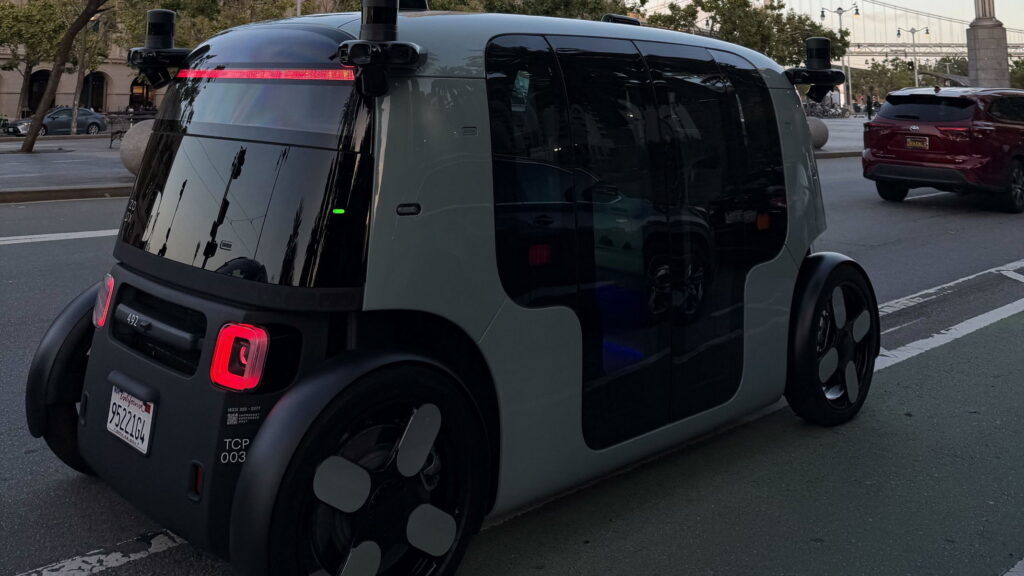
Recall of all Zoox robotaxis due to smoke issue
Zoox, the company owned by Amazon, announced the recall of all 105 of its autonomous robotaxis. Fortunately, the reason is not a serious accident or the AI going out of control. It turned out that the self-driving software may incorrectly detect thick smoke near emergency scenes. Although only one incident prompted this action, it came a few days after federal regulators warned developers of autonomous vehicles to significantly improve their ability to detect and respond to emergency situations.
Details of the problem and affected vehicles
According to documents filed with the National Highway Traffic Safety Administration (NHTSA), the problem affects all Zoox robotaxis that operated with software installed between April 23 and July 15, 2026. The company states that reduced visibility due to thick smoke could increase the risk of an accident or hinder the work of first responders. Obviously, this is a safety issue, and Zoox cannot take the risk of it happening again.
Incident that caused the recall
The recall is linked to an incident that occurred on June 20 involving an unoccupied Zoox vehicle. According to company representatives, the robotaxi encountered thick smoke that was concealing an active fire scene, not yet cordoned off with traffic cones. The vehicle entered this zone before braking sharply and attempting to exit.
Under the guidance of a remote operator, the vehicle reversed out, after which firefighters blocked two of the three lanes with cones. Zoox reports that no one was injured, and an internal investigation found no similar cases. This is good news in terms of the outcome, but it is easy to see how the situation could have turned out much worse.
Solution and software update
Instead of replacing hardware, Zoox released a software update designed to improve the system’s ability to detect and respond to thick smoke, particularly smoke from electric vehicle fires.
The company also stated that it implemented temporary operational measures to reduce the likelihood of its vehicles entering active fire zones until the software update was completed. The updated software was deployed across the entire fleet on July 15, so passengers can be confident that this will not happen again, or at least should not happen to them.
Regulator reaction and context
Just last week, NHTSA Chief Counsel Jonathan Morrison sent letters to developers of autonomous vehicles, pointing out what he called a “clear trend” of driverless cars interfering with emergency services. The agency cited incidents where robotaxis blocked ambulances and firefighters or failed to recognize flashing lights, flares, smoke, fire, and traffic cones. Now, Zoox has more experience with such a situation than it likely would have wanted.
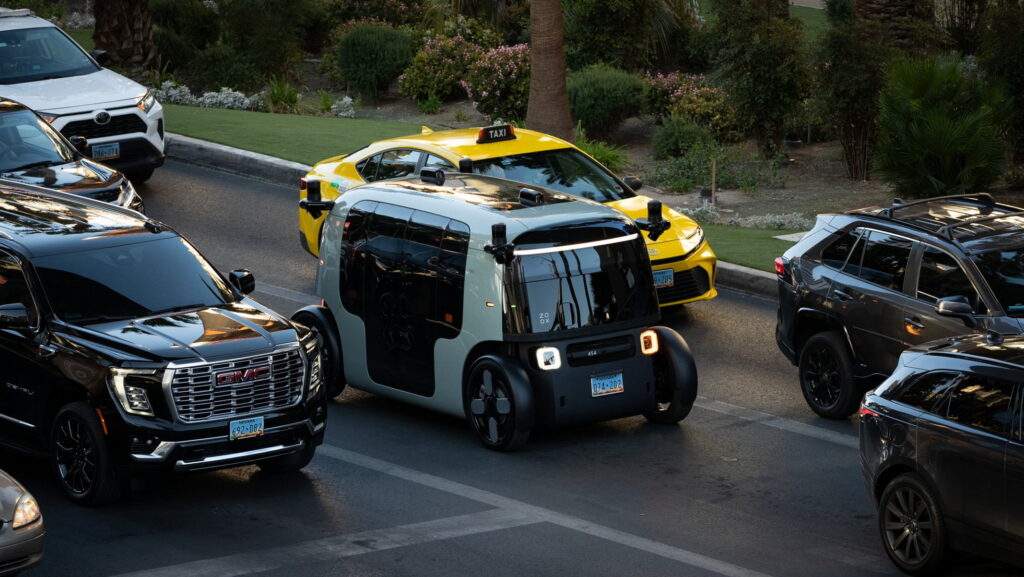

This incident with Zoox is a stark example of how complex the task of teaching driverless cars to act correctly in unusual and dangerous situations is. Although the company reacted quickly by issuing an update, the very fact that all 105 robotaxis had to be recalled due to one error highlights the high safety standards and zero tolerance for risk. Regulators, for their part, are increasing pressure on the entire industry, demanding guarantees that autonomous systems will not become an obstacle for first responders. Future technological development will likely focus on improving sensors and algorithms for operating in low-visibility conditions to avoid similar incidents in the future.