


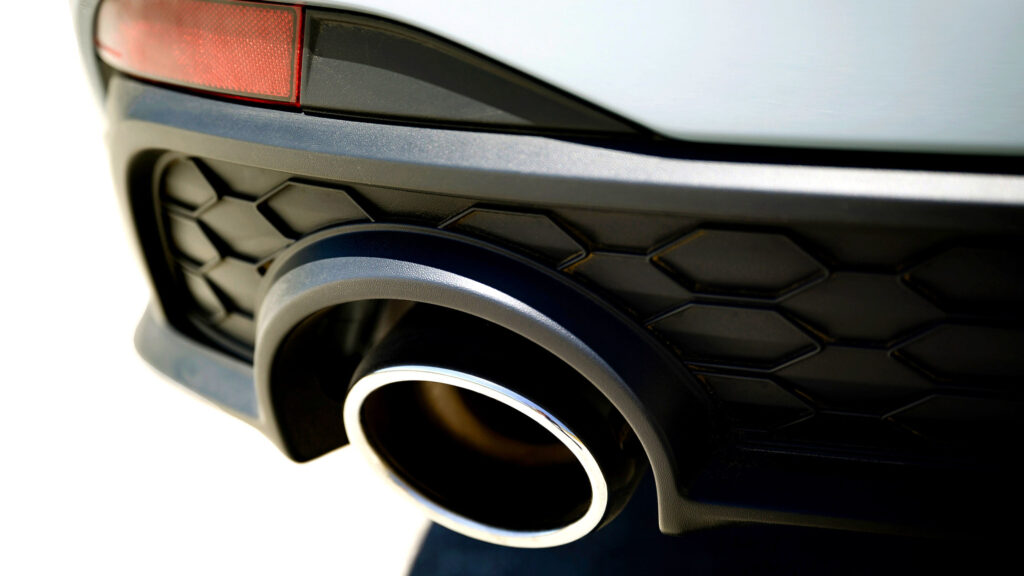
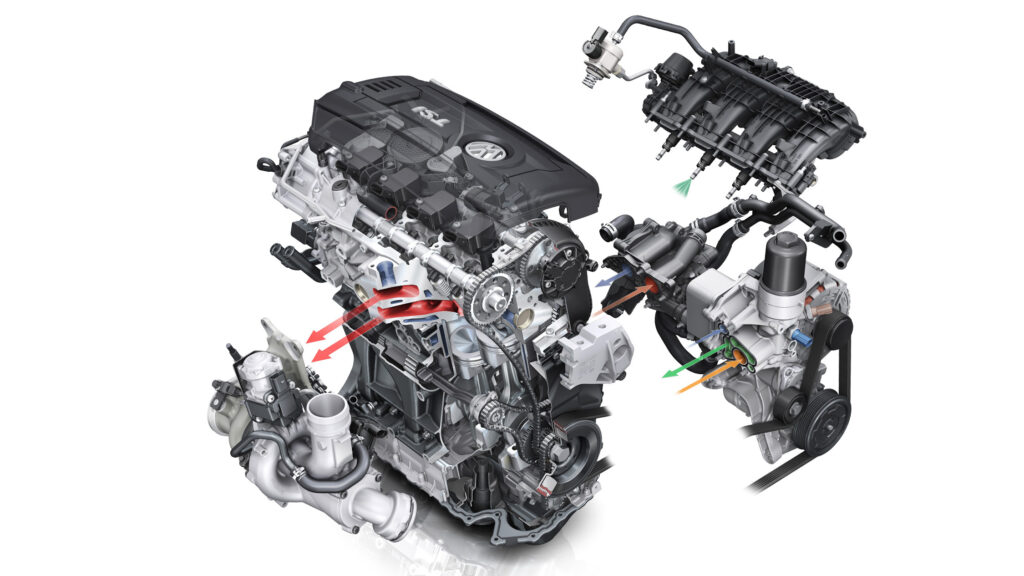
A group of Volkswagen and Audi car owners is filing a class action lawsuit against the concern due to engine problems. The complaint concerns the popular 2.0-liter turbocharged EA888 engine.
The Essence of the Owners’ Claims
The plaintiffs allege that engines in a range of models from 2018-2026 have a design defect that leads to excessive oil consumption. According to the lawsuit, the problem lies in defective piston rings, which allow too much lubricant to enter the combustion chambers.
Burned oil forms carbon deposits, which, in turn, can cause the crankcase ventilation valve to stick. It is also alleged that crankcase pressure increases, leading to the failure of various seals and gaskets.
The plaintiffs claim that the consequence of this “domino effect” can be cracks in the plastic oil pan, leaks from the valve cover gaskets, and fouled spark plugs.
Which Models Are Involved
The lawsuit covers a wide range of Volkswagen and Audi models. On the Volkswagen side, these include, in particular, the Tiguan, Atlas, Passat, and Jetta GLI. The Audi list features the Q3, Q5, and Q7 crossovers. Thus, we are talking about mass-market family cars and crossovers that can be seen on any road.

Warranty Issues and Past Experience
The plaintiffs believe this problem is covered by the warranty but accuse dealers of refusing to perform repairs properly. In their opinion, workshops often simply replace broken parts with the same, potentially defective ones, without eliminating the root cause. Furthermore, they claim a reduction in the market value of their cars due to these defects.
However, the outcome of the lawsuit is not guaranteed. As sources report, last year’s attempt at a class action lawsuit regarding allegedly faulty crankcase ventilation valves in the same VW engines was dismissed by the court. The judge ruled that the plaintiff from Alabama did not provide sufficient evidence that her car was unfit for operation.
The Story of One Purchase
Separately, the story of one of the plaintiffs, Loretta Mutry from Texas, draws attention. According to the documents, in January 2019, she leased a 2018 Volkswagen Tiguan, which, she says, started leaking from the very beginning. After finishing the lease, in April 2022, she received a 2022 Tiguan, which also had oil leak problems. This lease was completed in January 2024. Interestingly, she continues to drive a Volkswagen, now choosing a 2024 Atlas Cross Sport.

This situation with the EA888 engines is not entirely new for the automaker. Problems with oil consumption and the reliability of some components of the first generations of this power unit have already been discussed in the automotive community. However, the new lawsuit indicates that the issue may not have been fully resolved even in later, modernized versions of the engine installed in current models. For many owners, the key issue remains not only the existence of the problem but also the reaction of the official service and the company’s willingness to take responsibility. The outcome of this court case could set an important precedent for the owners of millions of cars worldwide.