by
by Canadian Prime Minister’s Visit to China Amid Trade Disputes
Canadian Prime Minister Mark Carney is undertaking a politically significant visit to China this week. This trip could have serious consequences for the United States’ northern neighbor, particularly for its automotive industry, which is being closely watched. Among the issues likely to be raised is the contentious topic of automobile tariffs.
As early as 2024, the Canadian government imposed sweeping 100% tariffs on Chinese-made electric vehicles, steel, and aluminum. China did not delay in responding, imposing retaliatory tariffs on Canadian seafood, pork, and canola.
While some provincial leaders have quietly promoted the idea of mutual easing of trade restrictions, Ontario Premier Doug Ford has taken a significantly tougher stance. He has made it clear that he does not support lifting tariffs on Chinese electric vehicles under any circumstances.
“I am absolutely, 100 percent, unequivocally against it,” Ford told reporters. “I will reach out to him and send a message to express our concerns.”
He also added that he is concerned, as are his friends from Michigan, after meeting with representatives from the state. Ford believes the Chinese government’s desire to “dump” cheap parts and cars onto the market costs jobs for Canadians and Americans.
Can Local Production Change the Situation?
Interestingly, Ford is not a principled opponent of Chinese brands. In fact, he recently expressed openness to the idea of a Chinese brand coming to Canada and opening a manufacturing facility in Ontario.
“If they are willing to come here, invest in a plant, just like GM, Stellantis, Ford, Volkswagen, Honda, Toyota, manufacture here, create jobs, and produce parts, then we are talking about a completely different thing,” he said.
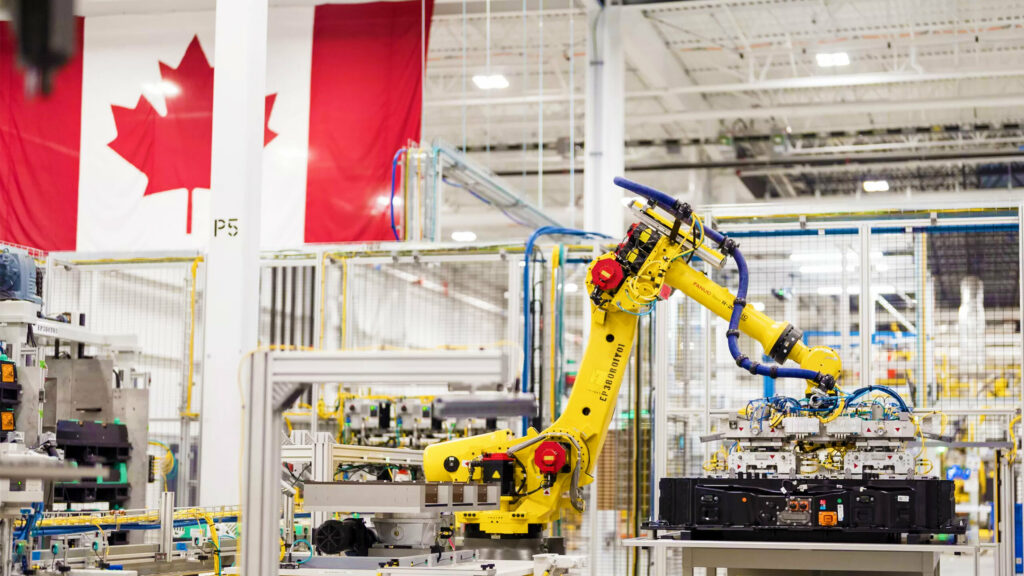
Canada-China Tensions
Carney’s diplomatic visit is the first official visit by a Canadian Prime Minister to China in eight years. Political tensions between the two countries have persisted since 2019, when Canadian authorities detained a top executive of a Chinese technology company in Vancouver. In response, according to CBC, two Canadian citizens were arrested and held in China for nearly three years.
Despite these tensions, China could become an increasingly important economic partner for Canada in the next decade. The Canadian government has set a goal to double trade with countries outside the United States by 2035, which will almost certainly require deepening ties with Beijing.
While Canadian tariffs on Chinese EVs have helped protect the local automotive market, China’s retaliatory tariffs have harmed farmers. As a canola farmer told CBC, the tariffs cost his farm approximately $450,000.

This visit comes at a pivotal moment as global supply chains are being reconfigured, and issues of energy security and industrial policy are coming to the fore. The position of Ontario, which is the heart of Canada’s auto industry, reflects a deeper struggle between protecting national manufacturers and the desire for greater trade diversification. The success of Carney’s negotiations could set the tone not only for future Canada-China relations but also influence the broader discussion in the West on how to integrate Chinese technology and investment while preserving strategic sovereignty and jobs. The results of this diplomacy will be closely studied both in Ottawa and in Washington.