 by
by Automaker Ford has announced two new recalls affecting nearly 3,000 vehicles due to issues with sunroofs and stop lights. These campaigns are already the 21st for the current year, exceeding the total number of recalls from General Motors, Hyundai, and Toyota combined.
Sunroof Problem in Maverick Pickups
The first recall concerns 323 Maverick pickups from the 2025 and 2026 model years. In these vehicles, the sunroof’s glass panel may be improperly attached to the frame. This creates a risk of the glass element detaching from the body while the vehicle is in motion.
Ford learned about the problem in January when it received a report of “sunroof glass detachment while driving” in Brazil.
The investigation determined that the cause was an issue with the quality of the catalyst material in the adhesive used during the sunroof module’s production. This led to insufficient urethane bond strength in some cases.
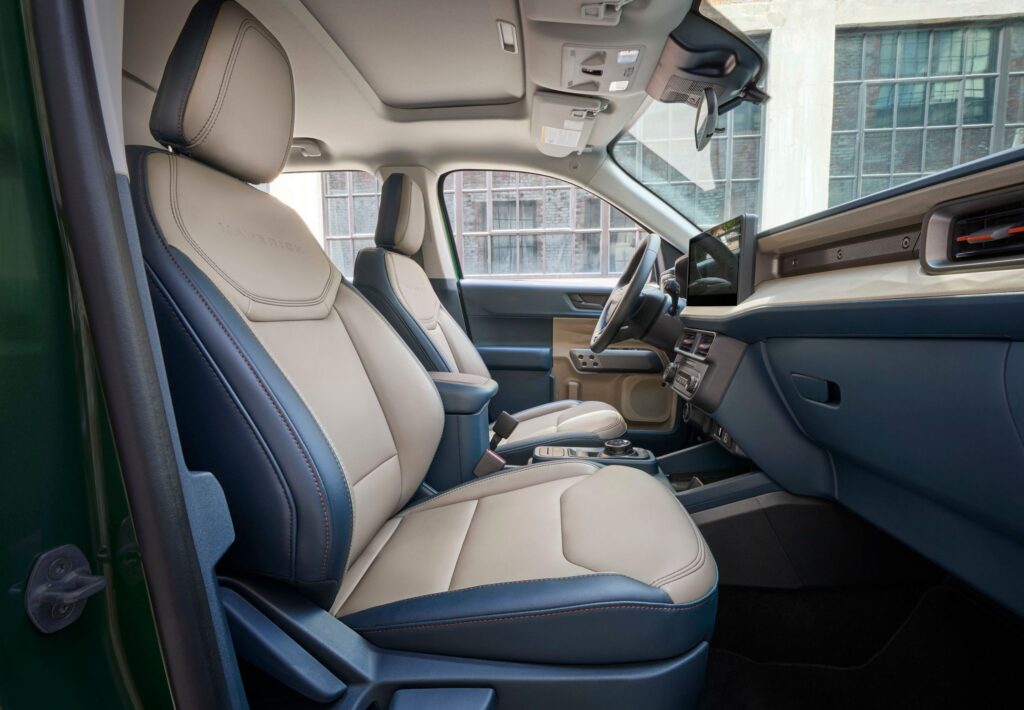
The defect is believed to be present in 63% of the vehicles included in this recall, which amounts to about 204 vehicles in the United States. So far, the manufacturer has not reported any incidents related to this malfunction.
Dealerships will inspect the sunroof glass and replace it if necessary. Replacement parts are expected to be available no earlier than April. Owners will be notified of the situation and will later receive additional information about repair availability.
Faulty Stop Lights in Commercial Vehicles
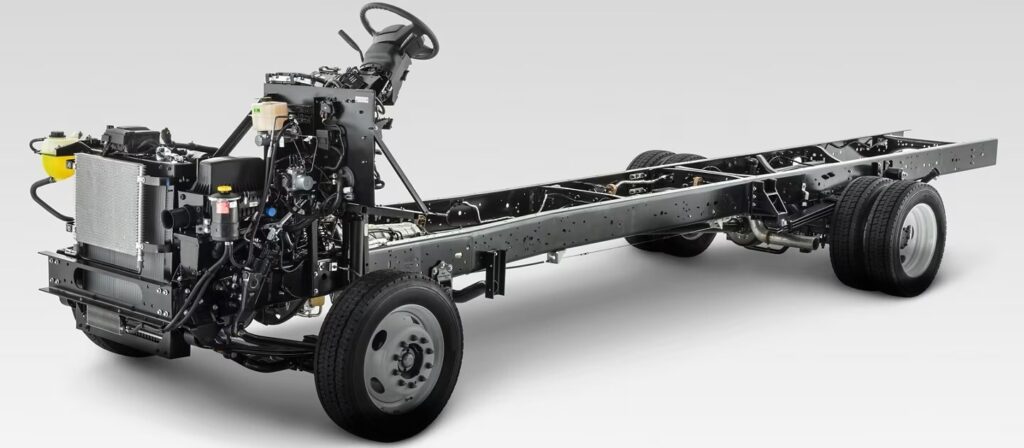
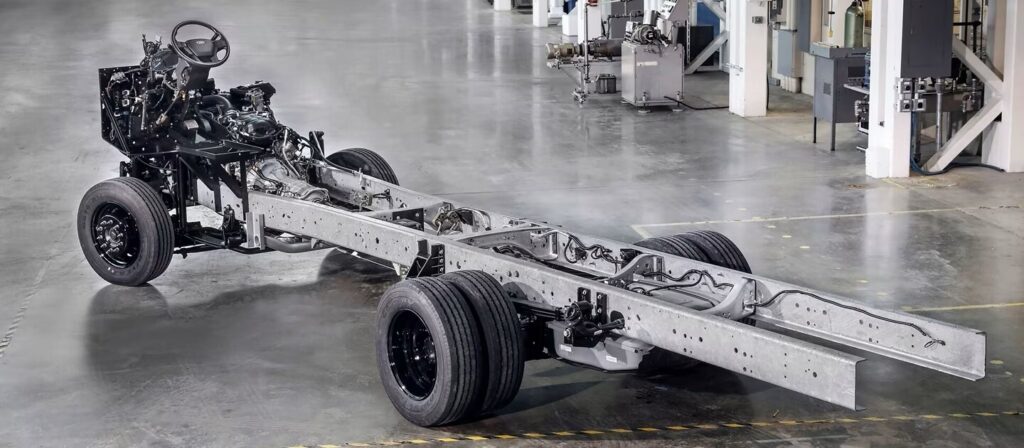
The second recall covers 2,422 commercial vehicles on F-53 and F-59 chassis from the 2025 and 2026 model years. These vehicles have been found to have an issue where the stop lights may remain on even when the driver is not pressing the brake pedal.
The problem was reported to Ford in January by an upfitter who noticed incomplete brake pedal return. The investigation revealed that excessive friction between the brake booster pushrod and the reaction piston can lead to incomplete pedal return. As a result, the stop lamp switch remains in the “on” position.
The problem was later traced back to a supplier who changed a crimping tool, leading to permissible variations and increased internal friction in the brake booster system.
Currently, Ford has information on 41 warranty claims and 16 field reports related to this issue. In total, the malfunction has been identified in 42 vehicles.
As part of the recall, dealership technicians will inspect the brake pedal and repair the brake booster pushrod if necessary.
These two cases clearly demonstrate how dependent modern automotive manufacturing is on supply chains and quality control at every stage. The problem with the sunroof adhesive and the change in the brake system supplier’s tool are typical examples of how seemingly minor changes in production can lead to serious recalls. For owners of the affected vehicles, it is important to promptly contact official dealers for inspection, as both malfunctions, especially the one concerning the sunroof, can pose a direct threat to driving safety. The situation also highlights the importance of manufacturers’ quick response to market reports, as happened with the incident in Brazil.