


New Year and Leadership Changes at Porsche
The new year for Porsche began with leadership changes that could affect more than just boardroom priorities. The brand has a new CEO, Michael Leiters, and just days after his appointment, he is reportedly reviewing the future of the fully electric 718 Boxster and Cayman models.
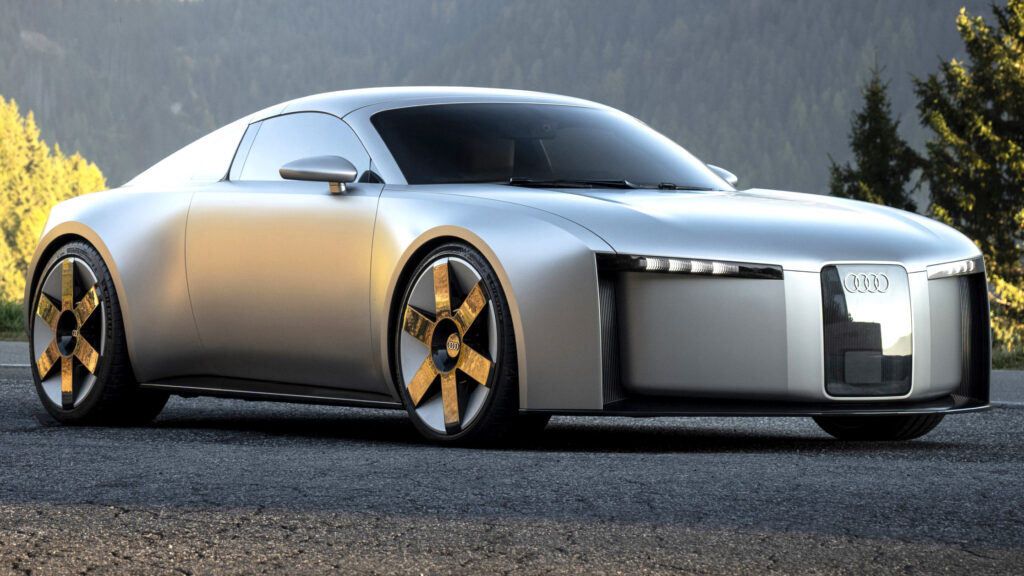
This would be a major course correction for the automaker, but the main surprise lies elsewhere: new reports suggest that Audi’s new sports concept car, the Concept C, could be canceled before production even begins.
Leiters, according to reports, has initiated a comprehensive review of Porsche’s operations against a backdrop of falling sales in China and a significant drop in profitability.
Electric Sports Cars in Question
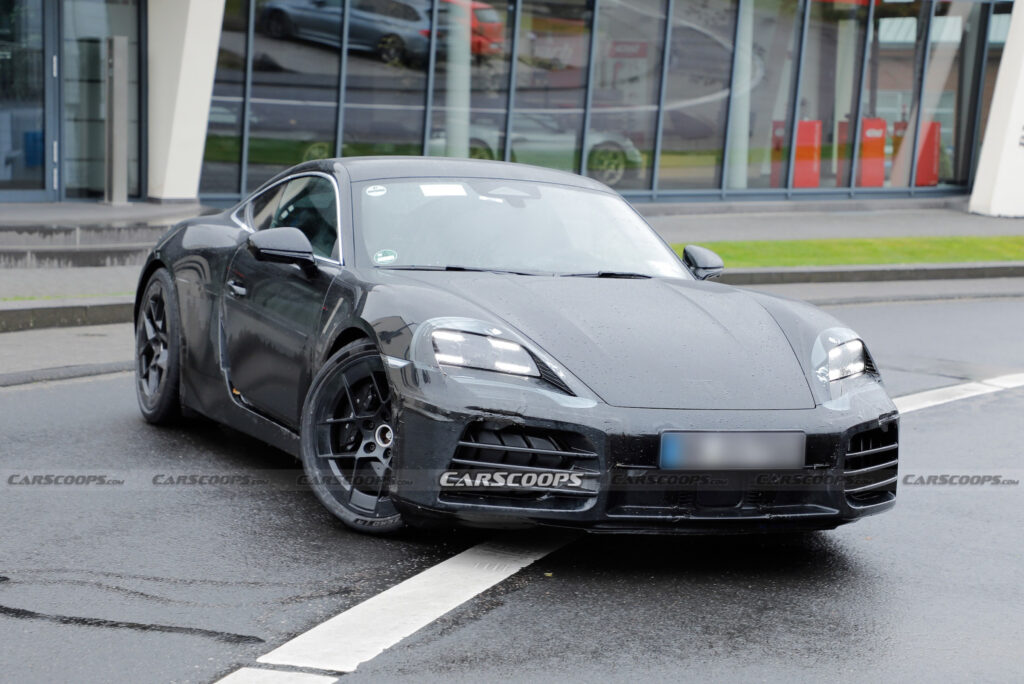

Insiders told the German publication Handelsblatt that the battery issue has become particularly problematic, and finding a viable replacement will be accompanied by a significant cost increase. Some at Porsche blame former CEO Oliver Blume for allowing the program’s problems to drag on for too long.
According to sources cited by Bloomberg, Porsche is now actively discussing whether it makes financial sense to continue developing the electric Cayman and Boxster.
Shared Platform and Audi’s Strategy
Audi CEO Gernot Döllner has tied a significant part of his comeback strategy to a new flagship model, internally known as the Concept C. Rumored to revive the TT lineup, it is meant to become a centerpiece of the brand’s future design. The problem is that it is being developed on the same electric vehicle platform engineered by Porsche, which was intended for the electric 718.
Can Audi Go It Alone?
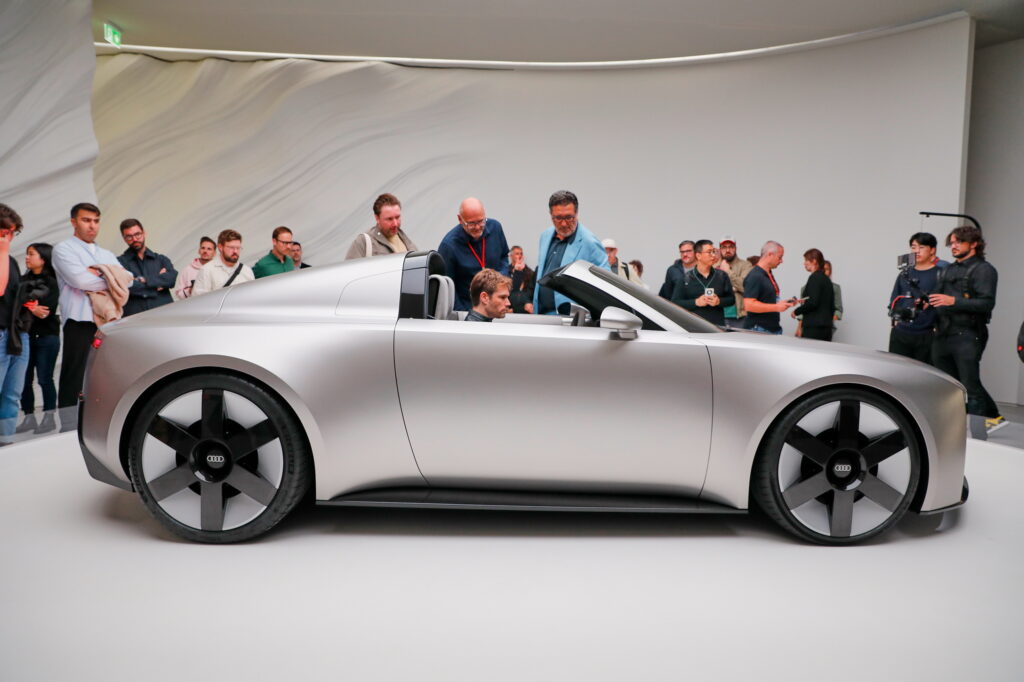

The shared architecture was meant to provide cost savings and accelerate development. Without it, Audi may be forced to either shelve the Concept C entirely or buy out and complete the platform on its own.
Insiders indicate that such a move could cost Audi a nine-figure sum. It’s impossible to say how long it would take Audi to set up development and prepare a production car for launch. No help is forthcoming from any other direction either.
The next generation of the Volkswagen Group’s SSP platform, which is supposed to underpin most future EVs from its brands, is not expected until mid-2028 at the earliest.
Challenges in Global Markets

All of this is happening against the backdrop of Porsche trying to cope with industry shifts. Taycan sales in China have plummeted, and tariffs are complicating the situation in the US as well. Forecasts for China, once Porsche’s main growth engine, have been slashed from 100,000 units to just 30,000–40,000 in 2026, with the brand recently deciding to close over a third of its dealerships in the country.
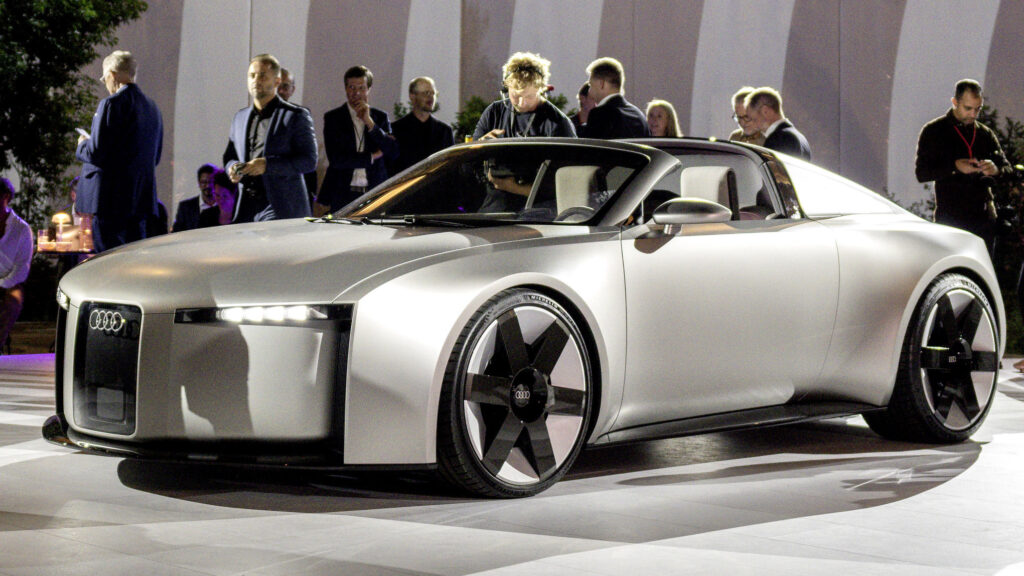
Audi, for its part, publicly unveiled the Concept C in Milan last September at a presentation featuring celebrities. At that event, Döllner described it as “the first visible proof of Audi’s transformation as a company.” He emphasized that this model signifies a departure from the brand’s past design language and lays the foundation for the future.
Key Importance of Concept C for Audi
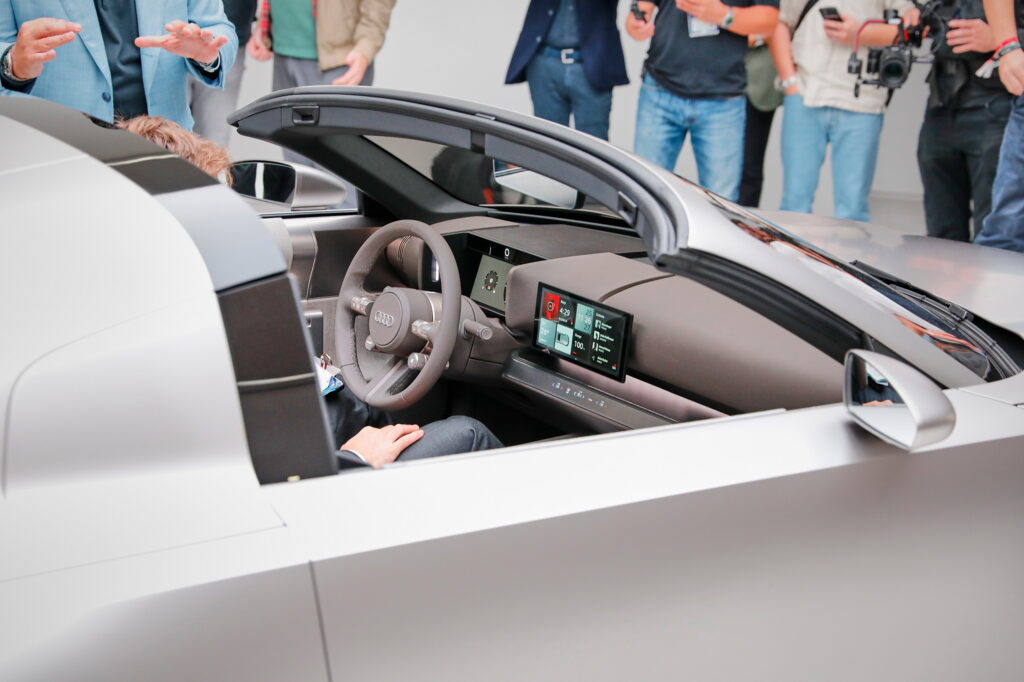
This foundation is not limited to design alone. The Concept C’s technological platform is intended to underpin Audi’s future model lineup. The sports car’s launch was initially planned for 2027.
Now the key question is whether Döllner will follow Leiters’ cost-cutting approach or push ahead with the Concept C, even if it means spending hundreds of millions to take over and complete the platform on Audi’s own terms by 2027.
For now, both companies are keeping their distance. Porsche states that no final decisions have been made, while Audi has declined to comment on the future of the Concept C.
This situation clearly demonstrates how closely intertwined the future plans of major auto brands within the group are, especially when it comes to expensive niche products like electric sports cars. Profitability issues and market difficulties for one manufacturer can create a domino effect, threatening the ambitious projects of others. The delay of the SSP platform only intensifies this dependency, forcing the search for temporary but expensive solutions. The success or failure of the Concept C now depends not only on Audi’s own vision but also on the cold financial calculus of its corporate partner.