 by
by Cleanliness in a Tesla Robotaxi Comes at a Cost
Tesla’s dream of a robotaxi promises Austin, Texas residents comfortable and modern rides without a driver. However, as new data reports, passengers who leave the car dirty for the next client will have to pay substantial fines.
A Two-Tier Fine System
The company, according to information, has introduced a two-tier cleaning fee system. Journalist Sawyer Merritt reported that for “moderate” soiling, such as food spills, dirt, or minor stains, a passenger will be charged about $50.
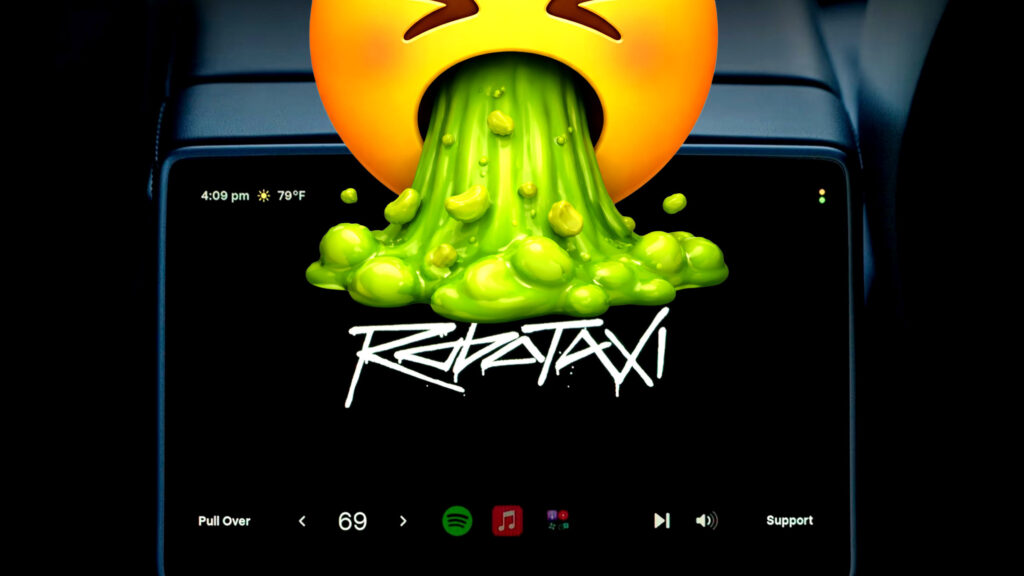
However, for “serious” incidents, for example, vomiting inside the car, the fine can reach $150. This maximum fine will also be charged for smoking in a Model Y robotaxi, even if no visible traces are left. These cars will operate until the special Tesla Cybercabs are launched.
We prioritize maintaining a clean and comfortable environment for all passengers and encourage responsible behavior. To address incidents where a vehicle requires additional cleaning after a trip, we will assess the type and severity of the soiling and apply an appropriate fee.
Comparison with Competitors
Similar service providers have been charging cleaning fees for many years. Tesla’s competitors, as well as services with live drivers, also expect the passenger to pay for rectifying issues that could affect the next customer.
However, in some cases, Tesla’s fees are higher than those of competitor Waymo. Soiling a Waymo vehicle may cost $50 if the passenger reports the problem themselves. If not, the first violation, including smoking, will cost $100. Subsequent violations may lead to the full cost of cleaning being charged, which likely significantly exceeds both $100 and $150, as well as to account issues.
Appeal Process and Conclusions
Tesla states that passengers will receive a notification about the need for additional cleaning and will have the right to dispute the fees by contacting the support service.
Implementing a clear and transparent fine system is a logical step for a scalable driverless service. This not only improves the experience for all users but also serves as a preventive measure, fostering a culture of careful treatment of shared transport. Similar rules, despite differences in amounts, are becoming the standard for the developing industry, where responsibility for comfort is gradually shifting from the operator to the passenger themselves.