 by
by Sharp Decline in Car Sales in China
China’s automotive industry in February demonstrated the largest decline in the past two years. Total vehicle deliveries, including domestic sales and exports, contracted by 15.4%. These figures indicate a market that is still seeking stability after a prolonged period of aggressive discounts and uneven recovery.
Weakness of the Domestic Market
The greatest weakness manifested on the part of domestic buyers. Sales of passenger cars in China fell by approximately 34% compared to last year, to about 950 thousand units. Although February is traditionally softer due to the Chinese New Year holidays, analysts believe the impact is not limited to the calendar alone.
In fact, trade incentive programs have been scaled back in many regions, and prolonged stress in the real estate sector has made consumers more cautious about major purchases.
Exports as a Lifeline
Exports moved in the opposite direction. Overseas shipments grew by approximately 58% compared to last year, to almost 590 thousand cars. Chinese brands are rapidly penetrating the markets of Southeast Asia, the Middle East, Latin America, and parts of Europe, offering competitive prices and attractive electric models.

Even such growth could not compensate for the decline in domestic sales, leaving the industry in the red for the month.
Consumer Demand for Electric Vehicles Slows Down
The overall picture indicates a market in transition. Government subsidies were once responsible for the rapid expansion of the electric vehicle segment, but as support fades, buyers are showing signs of slowing down. Sales of electric and hybrid cars on the domestic market fell by 30% during the first two months of the year, a sharp reversal compared to the 17.7% growth in 2025.
Meanwhile, production capacity remains high. Dealers are sitting on elevated inventory levels, and manufacturers are resorting to repeated price cuts. This strategy helps sell cars but destroys profitability.
Uneven Results for Manufacturers
The results were not the same for all manufacturers. While some companies reported steep declines in local sales, others managed to capitalize on new model launches and overseas promotion. For example, BYD is actively advancing in Asia, the UK, and South America.
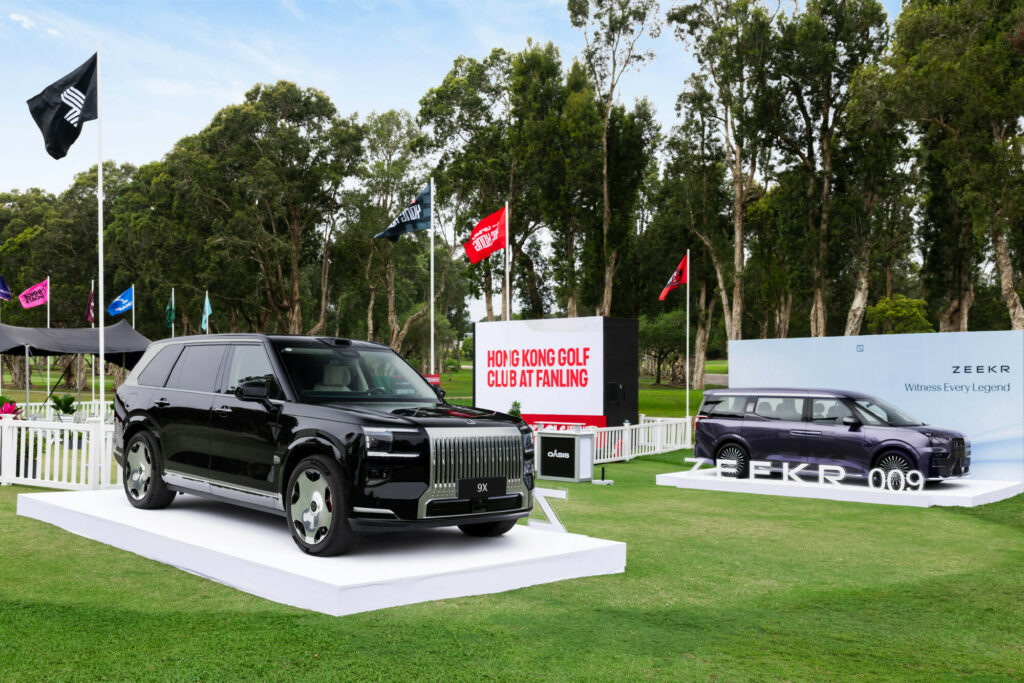
Bloomberg reports indicate that Geely entered 13 new markets in 2025.
It can be concluded that even despite the fading of government subsidies, demand for the right products still exists. Although competition continues to intensify and buyers at home are becoming somewhat more selective, the advantages of well-valued options in new markets seem to be a winning combination for some Chinese automakers.
Threats to Export Prospects
However, a major threat looms over exports: the conflict in Iran. Since the Middle East accounts for about 20% of Chinese exports, the threat of a prolonged conflict and further disruption to logistics, supply chains, and consumer sentiment throws a wrench into export forecasts.

These events clearly outline the dilemma facing the Chinese automotive industry: the need to balance between a cooling domestic market, where consumers are cautious and support is diminishing, and dynamic but geopolitically unstable opportunities abroad. Success under such conditions is likely to be determined by the flexibility of companies, their ability to quickly adapt to regional markets, and innovations independent of government incentives. The future may belong to those manufacturers who can simultaneously build global brands and offer compelling value to demanding local buyers.