


Trend in Favor of Traditional Vehicles
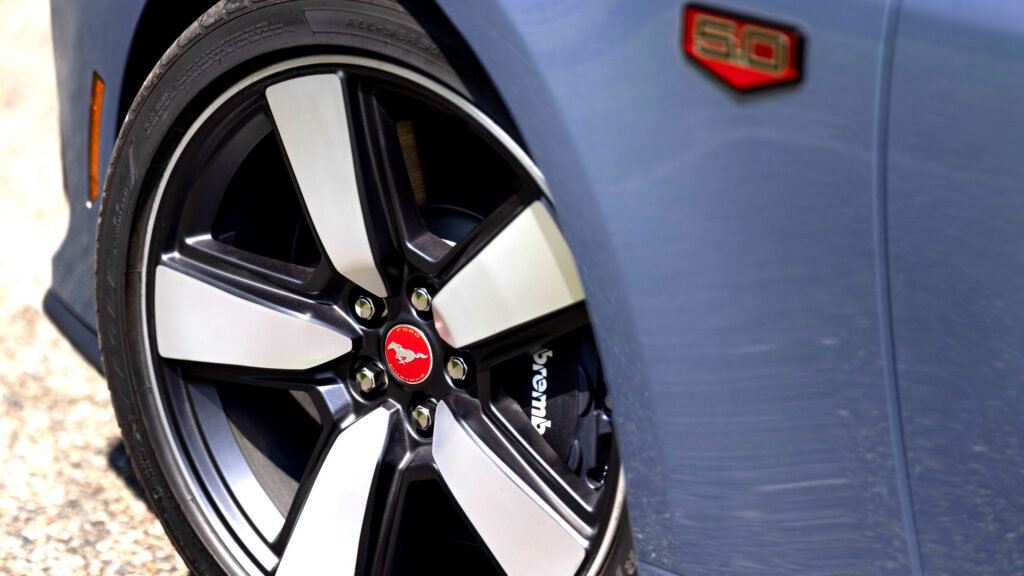
In 2026, Ford is clearly documenting a trend: its internal combustion engine vehicles are selling well, while electric models are failing. In February, sales of the gasoline-powered Ford Mustang increased by more than 50 percent, while several of Ford’s electric models, including the Mustang Mach-E, experienced a sharp decline.
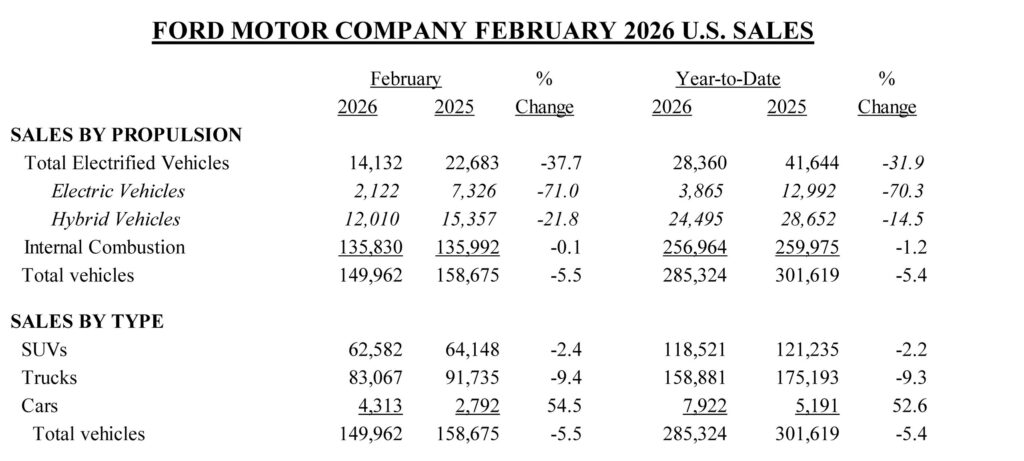
According to official Ford data, 4,313 units of the traditional Ford Mustang were sold in February 2026, which is 54.5% more than in the same month last year. Year-to-date sales also grew by more than 52%, indicating sustained demand for the latest S650 generation of this iconic car.
Electric Sales Moving in Reverse
On the other hand, the electric “sibling” of the Mustang showed a dramatic drop. Only 1,502 units of the Mustang Mach-E were sold, which is 54.6% less than a year ago. Year-to-date figures tell a similar story: sales fell by 62.8% in the first months of 2026. It is worth noting that this is happening against the backdrop of the car losing some key features.
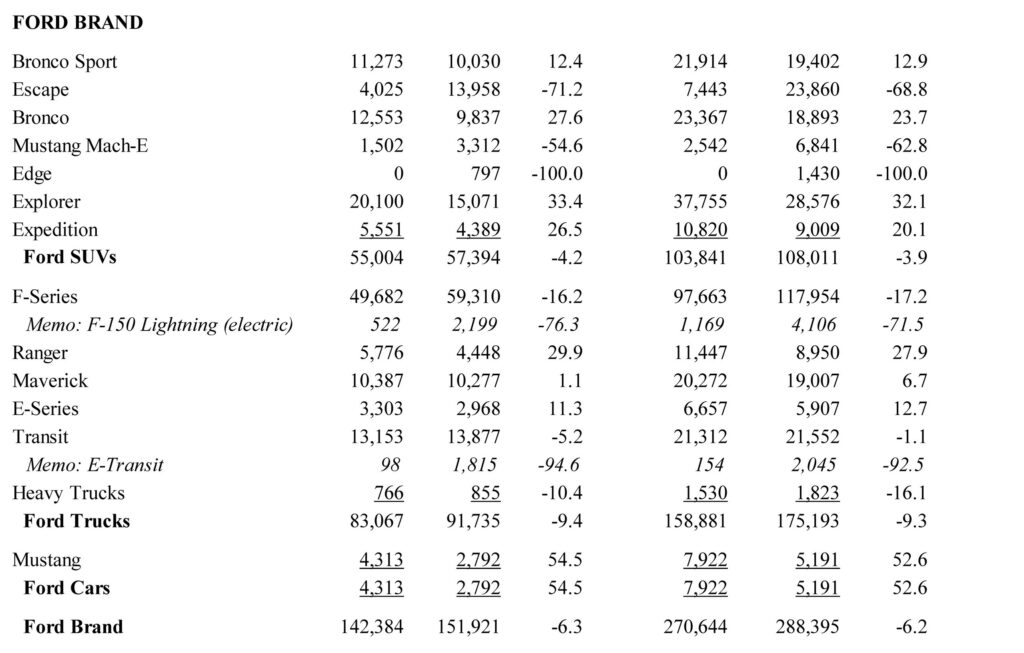

The rest of the electric lineup is also not showing success. Total electric vehicle sales fell by 71% in February, dropping from 7,326 units last year to just 2,122. The decline is not limited to crossovers. Ford’s electric pickups are also experiencing difficulties. Only 522 units of the F-150 Lightning were sold in February, representing a 76.3% drop compared to the same month in 2025. Year-to-date sales also fell by more than 71%.
If that’s not enough bad news, the E-Transit is worth mentioning. Its sales fell by a staggering 94.6% year-over-year, to just 98 units in February. Overall sales of electrified vehicles, including hybrids, fell by nearly 38% during the month. Undoubtedly, this is partly due to the absence of federal tax incentives. Without this support, buyers looking for the lowest price have little reason to consider an electric vehicle or hybrid.
Key Gas-Powered SUVs Drive Growth
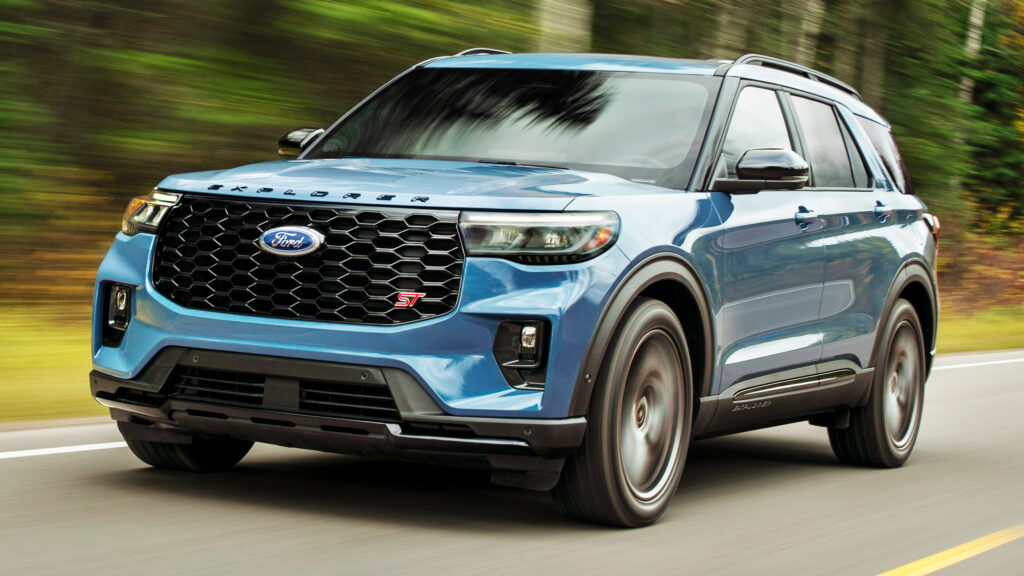

Meanwhile, several key Ford gasoline-powered SUVs are gaining momentum. 20,100 units of the Explorer were sold in February, which is 33.4% more than a year ago, and year-to-date sales increased by 32.1%. The Bronco lineup also performed well. Bronco sales grew by 27.6%, and Bronco Sport sales grew by 12.4% for the month.
Not all SUVs shared the success. Sales of the already discontinued Escape fell by 71.2% in February, and year-to-date sales decreased by 68.8%.
Even despite individual successes, the overall picture remains complex. Ford brand sales decreased by 6.3% in February and by 6.2% year-to-date.
Positive Momentum for the Premium Brand
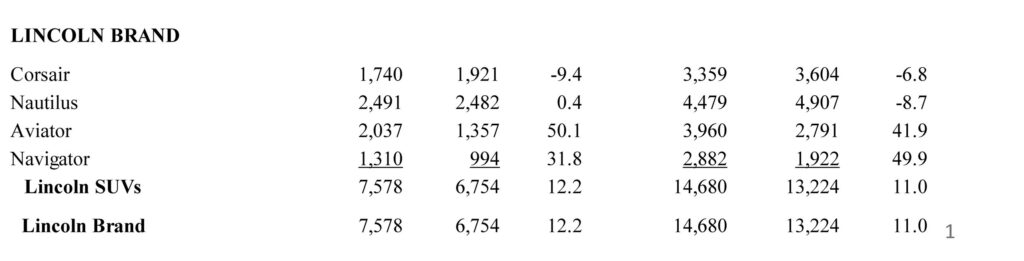

Blue Oval’s premium division, Lincoln, had a much healthier February. The brand’s total sales grew by 12.2% year-over-year, to 7,578 units. Year-to-date sales reached 14,680 cars, which is 11.0% more than in the same period last year, indicating steady momentum across the lineup.
The main load was borne by the Aviator. Its February sales grew by 50.1% to 2,037 units, and year-to-date sales increased by 41.9% to 3,960 units. It was followed by the Navigator, whose sales grew by 31.8% in February to 1,310 units, and year-to-date sales grew by 49.9% to 2,882 units. Together, these two large SUVs account for the majority of Lincoln’s recent growth.
Nautilus sales remained virtually unchanged for the month, increasing by only 0.4% to 2,491 units, although year-to-date they are still down by 8.7%. The Corsair lost 9.4% in February, to 1,740 units, and is down 6.8% year-to-date. However, the success of the Aviator and Navigator more than compensated for these softer results, keeping Lincoln’s overall trajectory positive.

This divergence between traditional and electric models indicates a complex transitional period for the automaker. The success of models like the Explorer, Bronco, and the Lincoln lineup demonstrates that a significant part of the market still values proven solutions and brand identity, especially in the SUV and premium car segments. The decline in electric vehicle sales will likely force Ford to review its marketing strategies, pricing, and possibly accelerate the update of its electric portfolio to make it more attractive to buyers in the new economic realities. The future will show whether this trend is a temporary reaction to changes in regulation and the economy, or whether it reflects deeper shifts in consumer preferences.