 by
by Sales of Discontinued Models
Stellantis has released its U.S. sales results for the full year 2025. While management’s main focus is on explaining the overall 3% sales decline compared to 2024, the report hides much more interesting details. It turns out that a small number of Americans decided to invest money in brand new cars that have not been produced for many years, thus “rescuing” several forgotten models from the most remote corners of dealer inventory.
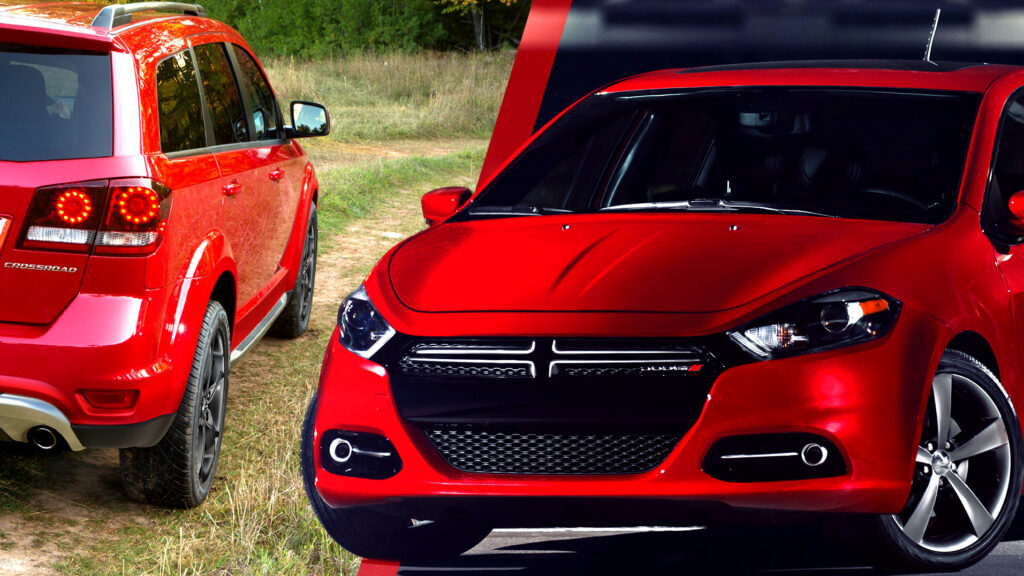
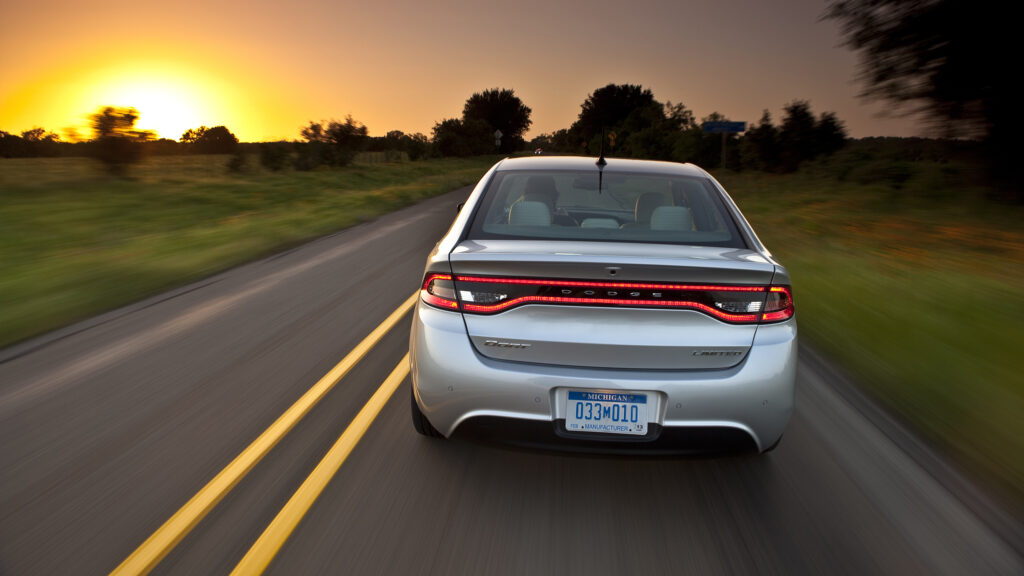
Among the automotive relics is the compact Dodge Dart sedan, which was once built on Fiat and Alfa Romeo platforms. Despite production ending back in 2016, six new Darts found buyers in 2025. For those tracking the numbers, this is a 500% increase compared to the single unit sold the previous year.
If you leave any car at a dealer long enough, eventually someone will pay for it.
Other “Zombie Cars”
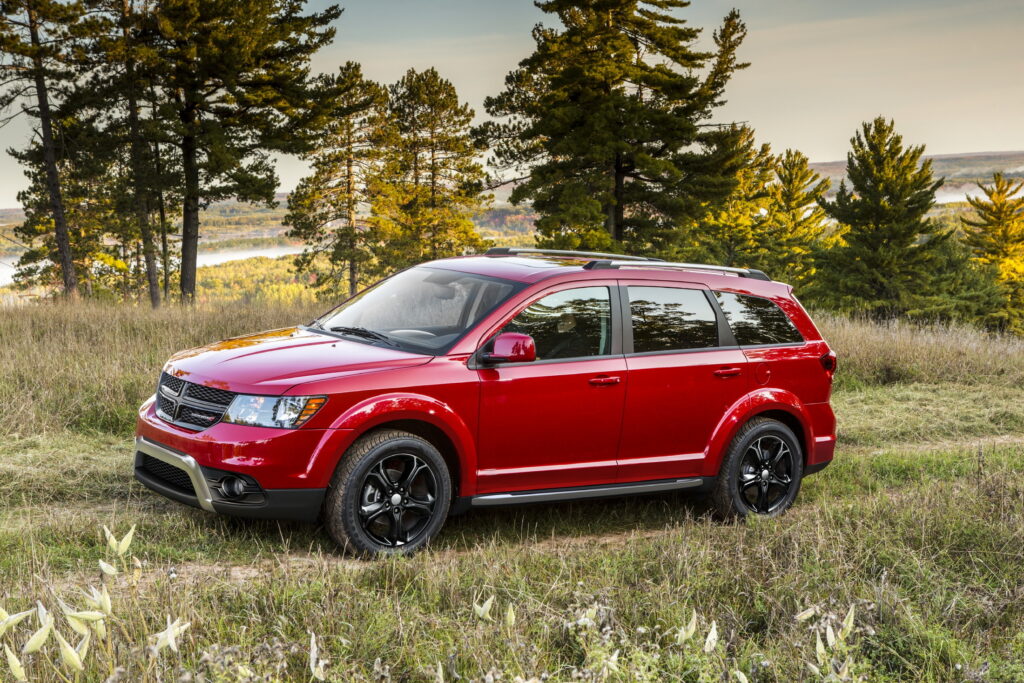
Another model that “returned from the dead” was the Dodge Journey (produced from 2009 to 2020), which sold 17 units for the year. It was joined by two examples of the Fiat 500L (2014-2020) and nine units of the ancient Dodge Grand Caravan (2008-2020). These numbers prove a simple life principle.
Unfortunately for fans of the Viper model, sales of this V10-powered icon finally stopped after only one unit was sold in 2025. However, a quick search of dealer inventories shows that a brand new 2016 Dodge Viper ACR is still available in New Jersey for a sky-high price of $800,000.
The Big Picture for Stellantis
Aside from these exceptions, Stellantis delivered a total of 1,260,344 vehicles to the U.S. for the year, which is 3% less than the 1,303,570 in 2024. The sharpest declines were demonstrated by Alfa Romeo (minus 36%), followed by Dodge (minus 28%) and Fiat (minus 14%). Jeep, Ram, and Chrysler remained relatively stable in comparison.
However, there was a positive note. In the last quarter of 2025, Stellantis showed a 4% year-over-year growth thanks to strong performance from several key models. Ram 1500 sales increased by 23%. Dodge Durango sales more than doubled, rising by 114%. The Jeep Wagoneer grew by 67%, and the Gladiator rose by an impressive 93%.
These achievements come at a time when Stellantis is undergoing a significant product transformation. Back in October, the company announced $13 billion in investments, spread over four years, aimed at launching five new car models and increasing in-house production by 50%.
What is interesting is that the market continues to surprise with its diversity and unpredictability of demand. The fact of selling cars that have long been discontinued from the assembly line indicates not only a thorough clearing of dealer inventories but also the existence of niche buyers willing to purchase a “time capsule” on wheels. Such cases, although statistically insignificant, add color to the overall picture of the automotive industry, which is experiencing an era of rapid change, including the transition to electric vehicles. They remind us that the end consumer is not always driven by purely rational motives or the relevance of the model; sometimes personal preferences, nostalgia, or the uniqueness of the offer come to the fore.