



Global Success and an American Pause
The global electric vehicle party continues, but the United States seems to have decided to go home early. New data indicates that global electric car sales in 2025 reached 20.7 million units, a healthy 20 percent more than in 2024.
This result was bolstered by a strong year-end finish: in December alone, around 2.1 million electric vehicles were sold worldwide, confirming the preservation of positive momentum. In almost every corner of the planet, people were buying more electric cars. However, the situation in North America is radically different.
If you think electric vehicle sales are dead, you’re probably looking at the wrong map.
China remained the undisputed champion with 12.9 million electric vehicles sold, a 17 percent increase. Europe became the true star of the year, making a leap of 33 percent to 4.3 million units. Even the rest of the world showed massive growth of 48 percent, reaching the mark of 1.7 million cars.


The Impact of Chinese Manufacturers and North America’s Problems
To a significant extent, this growth outside traditional markets was driven by a wave of Chinese models, as intense domestic price competition forced manufacturers to seek their fortunes abroad.
Meanwhile, North America showed a rather uncomfortable decline of 4 percent, as reported by Rho Motion. The situation would have been even worse if not for the 29 percent growth in electric vehicle sales in Mexico, thanks to an influx of cheap Chinese cars.
In the US, this annual decline masked a sharp fluctuation at the end of the year: buyers rushed to take advantage of incentives until September, followed by a sharp rollback once those benefits disappeared.
The Consequences of Tax Credit Cancellation
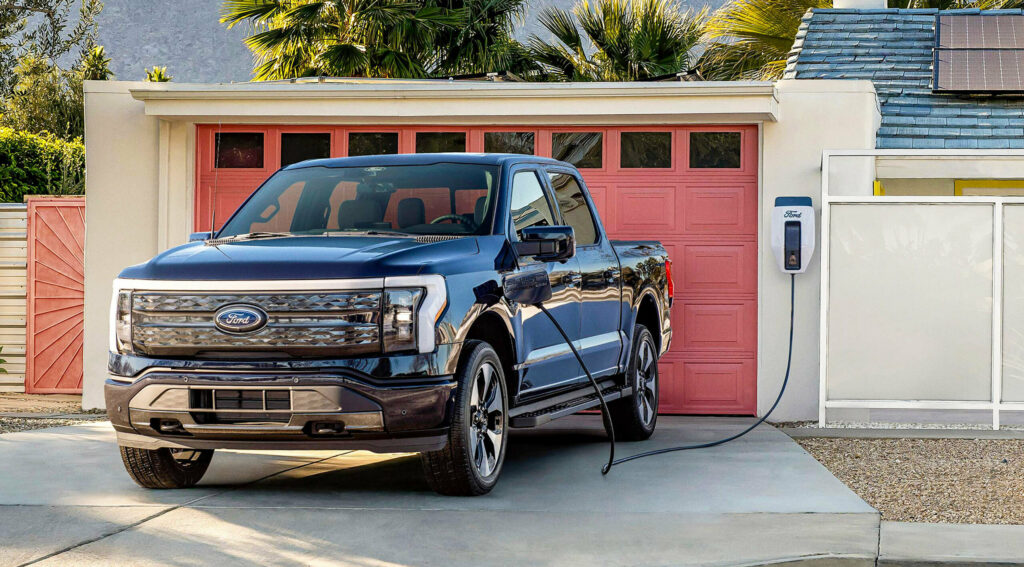

The cancellation of federal tax credits at the end of September sharply undermined the American market, and buyers reacted exactly as one might expect. As a result, electric vehicle sales for the full year grew by only 1 percent. Sales soared in August and September as incentives were phasing out, then collapsed in the last quarter, falling by almost 50 percent compared to the previous quarter.
In Canada, which lost its electric vehicle incentives much earlier, in 2025, annual sales fell by 49 percent.
Analysts now predict that electric vehicle sales in the US will shrink by almost a third in 2026. It’s no surprise that Ford is abandoning its F-150 Lightning in favor of a hybrid, and Ram decided not to bring an electric pickup to market at all.
Europe Continues to Gain Momentum
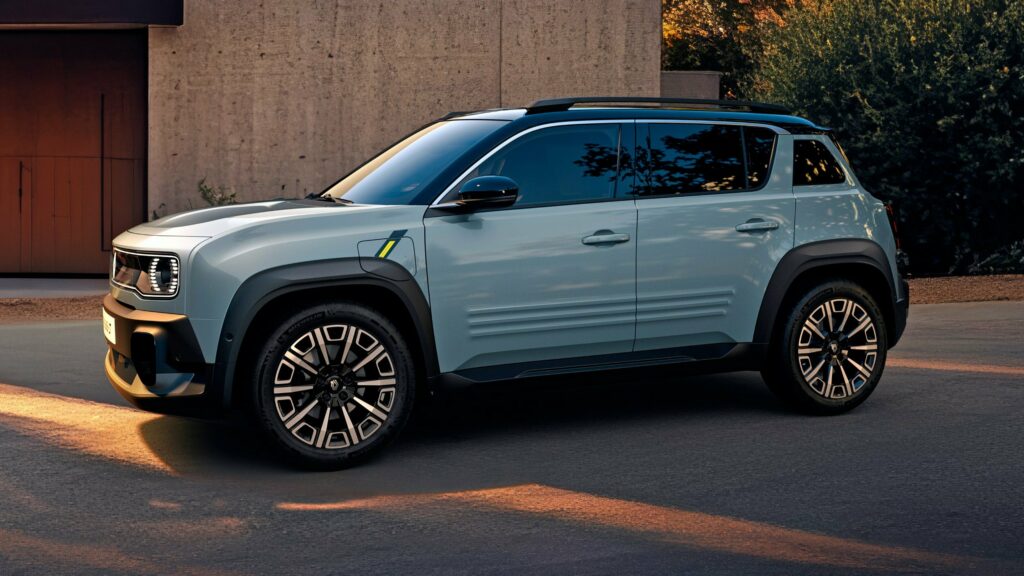

Across the Atlantic, the mood could not be more opposite. Europe surged forward thanks to stronger subsidies and the approaching new emissions regulations. Germany grew by 48 percent, and the UK by 27 percent.
Even France managed to end the year in positive territory after a slow start. This late recovery in France was largely caused by the renewal of consumer incentives after months of decline earlier in the year.
Other regions also showed impressive results. Southeast Asia nearly doubled sales, South and Central America grew by 49 percent, and South Korea enjoyed 50 percent growth thanks to new models and government incentives.
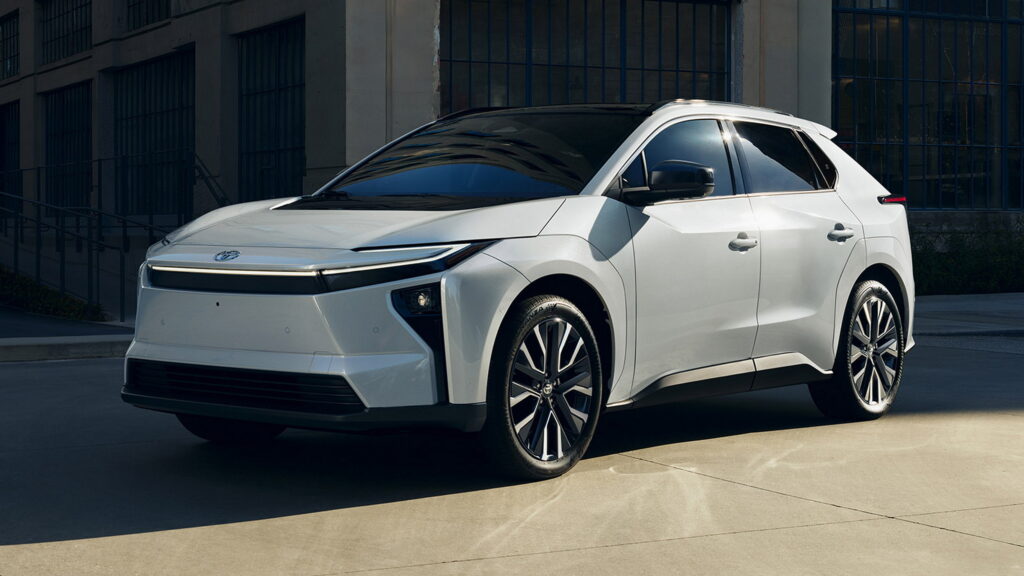

However, Japan remains stubbornly loyal to hybrids, proving that not every country is ready to fully switch to electric. The share of electric vehicles there remained at around 3 percent for another year in a row, despite steady progress in other parts of the region.
The Key Role of Incentives
The message from the data is clear. Worldwide, the transition to electric vehicles is still accelerating, but America, having tried it, decided that without financial incentives, it prefers the old menu more. Whether this will be a temporary pause or a long detour will depend on policy, prices, and the next steps of automakers.
Electric Vehicle Sales by Region in 2025
Region | Sales (millions) | Difference from 2024
Global | 20.7 | +20%
China | 12.9 | +17%
Europe | 4.3 | +33%
North America | 1.8 | -4%
Rest of the World | 1.7 | +48%
Data Source: Rho Motion
These numbers vividly illustrate how much state policy can shape the markets of the future. While Europe and Asia are actively investing in green technologies through regulatory pressure and consumer support, the situation in the US is a reminder of the vulnerability of early markets that have not yet reached self-sufficiency. The success of Mexico and Canada, despite their proximity to the US, shows that different approaches within a single region can lead to radically different outcomes. The future of electric vehicles in North America will likely depend not only on the return of financial incentives but also on the ability of manufacturers to offer more affordable models that compete with traditional cars without government assistance.