


Ford has released its U.S. sales results for the first quarter of 2026, which turned out to be quite challenging. The total sales volume of the brand’s vehicles, including Lincoln, fell by 8.8% to 457,315 units compared to the same period last year.
Key Report Highlights
Why Did Sales Fall?
A significant part of the decline can be explained by the company’s internal decisions. The Escape and Lincoln Corsair models ceased production last year, which seriously impacted the results. In the first quarter of 2025, 37,357 Escape crossovers and 6,240 Corsairs were sold, whereas this time the combined figure for these models was only 17,742 units due to depleted inventory stock.
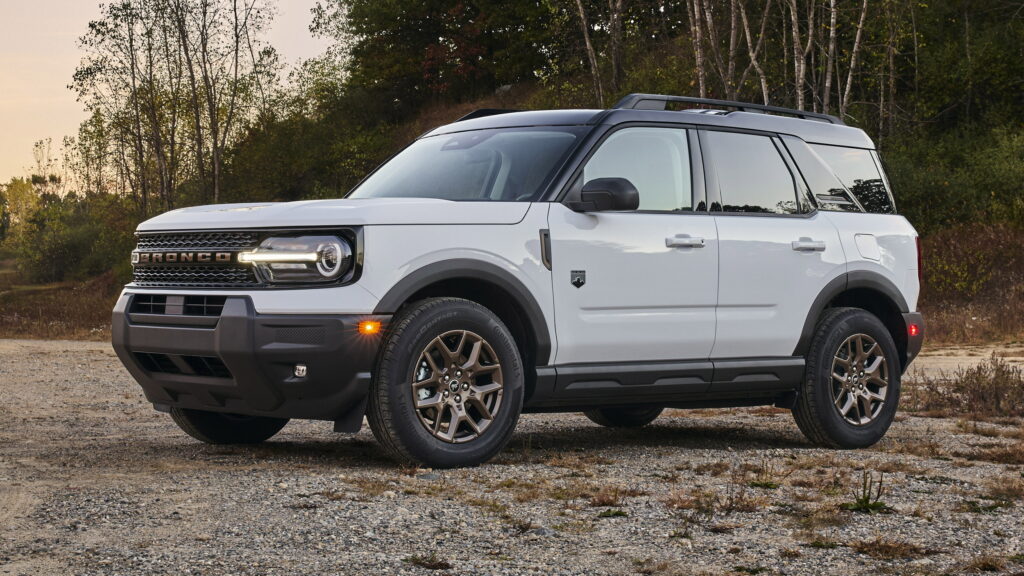
Interestingly, Escape buyers almost did not switch to the similarly specified Bronco Sport, whose sales grew by only 5%.

Electric and Pickup Truck Problems
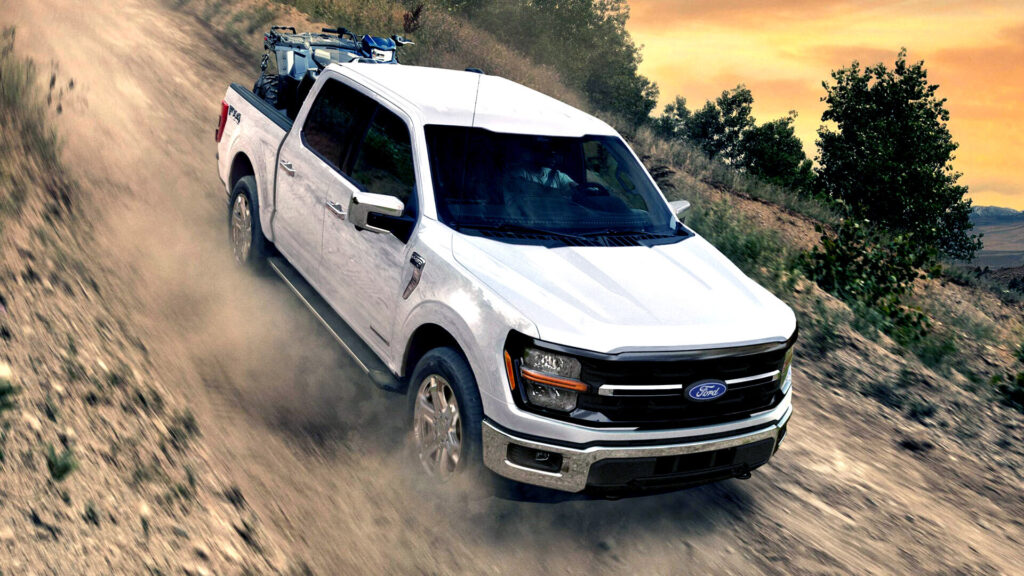
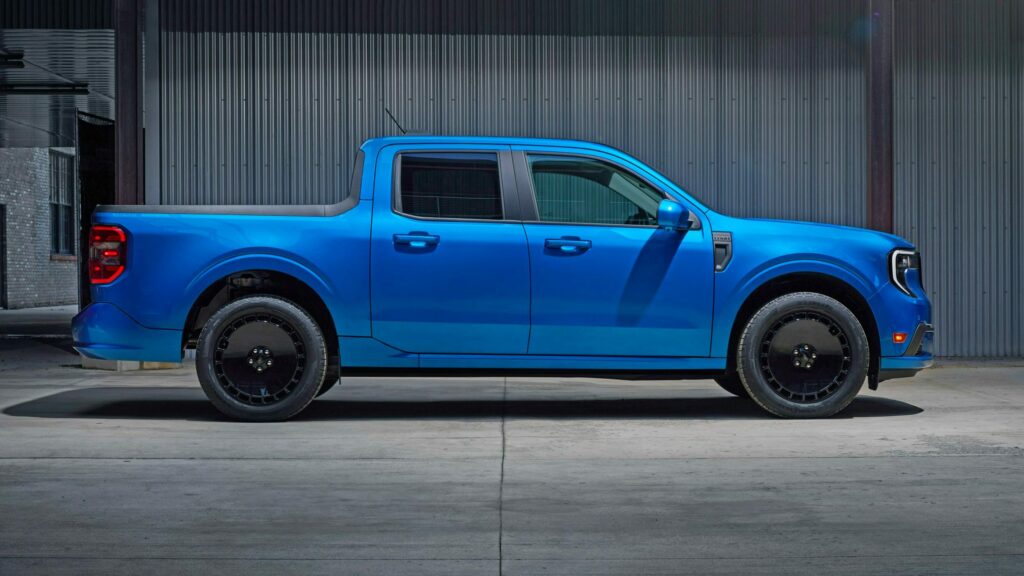
Sales of the electric F-150 Lightning pickup fell particularly sharply – by 71.3%, linked to the cessation of its production and dealers selling off remaining stock. Overall sales of the entire F-Series, key for Ford, decreased by 16% to 159,901 vehicles. Even the affordable Maverick with a hybrid version showed a decline of 10.9%.
Following the cancellation of the federal tax credit, Mustang Mach-E deliveries fell by 60.4% to just 4,600 cars.
The electric E-Transit van showed even worse dynamics – a minus 94.7%, with only 200 units sold.
Bright Spots in the Report
Not all models showed negative dynamics. The updated full-size Expedition SUV continues to gain popularity with sales growth of 30.2%. Explorer occupies a similar position with an increase of 29.7%. The Ranger pickup grew by 19.2%. Particularly notable is the Mustang’s result, whose sales soared by 50.1% – dealers sold 4,697 more of these cars.
Detailed Ford Sales Statistics
The table below provides complete data on Ford model sales in the first quarter of 2026 compared to the same period in 2025.
| Model | Q1-26 | Q1-25 | Change |
| Bronco Sport | 35,021 | 33,363 | +5.0% |
| Escape | 12,397 | 37,357 | -66.8% |
| Bronco | 31,197 | 32,595 | -4.3% |
| Mustang Mach-E | 4,600 | 11,607 | -60.4% |
| Edge | 0 | 2,078 | – |
| Explorer | 61,387 | 47,314 | +29.7% |
| Expedition | 17,554 | 13,482 | +30.2% |
| Ford SUVs | 162,156 | 177,796 | -8.8% |
| F-Series | 159,901 | 190,389 | -16.0% |
| *F-150 Lightning | 2,060 | 7,187 | -71.3% |
| Ranger | 17,775 | 14,913 | +19.2% |
| Maverick | 33,861 | 38,015 | -10.9% |
| E-Series | 9,359 | 9,679 | -3.3% |
| Transit | 34,248 | 34,580 | -1.0% |
| *E-Transit | 200 | 3,756 | -94.7% |
| Heavy Trucks | 2,331 | 2,811 | -17.1% |
| Ford Trucks | 257,475 | 290,387 | -11.3% |
| Mustang | 14,074 | 9,377 | +50.1% |
| Ford Total | 433,705 | 477,560 | -9.2% |
Lincoln Brand Stability
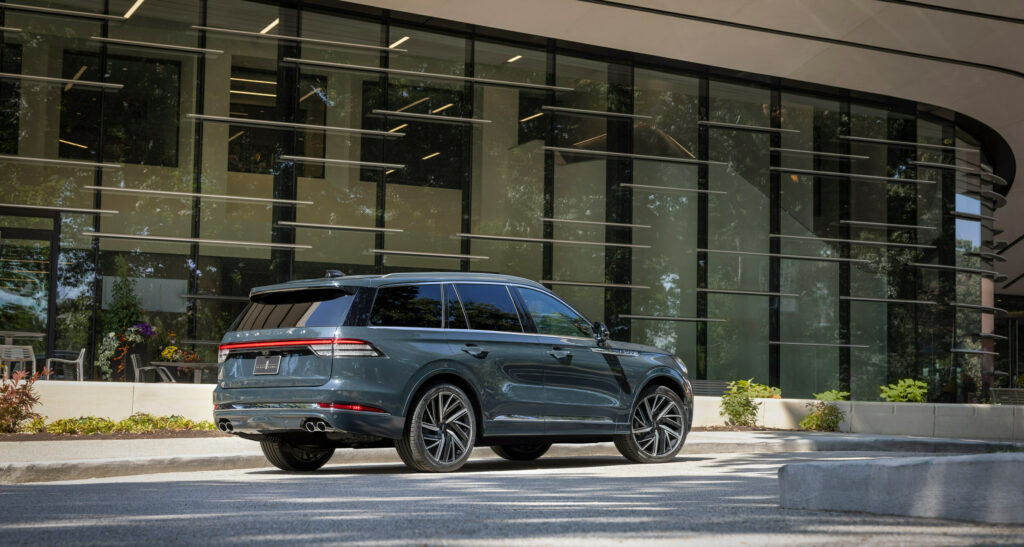

Unlike the main brand, the premium Lincoln division showed an almost stable result. The total sales decline was only 0.5%. The expected drop of the Corsair model by 14.3% and the Chinese Nautilus crossover by 11.4% was compensated by the rapid sales growth of the Aviator by 31.4% and the updated Navigator by 6.5%.
Detailed Lincoln Sales Statistics
| Model | Q1-26 | Q1-25 | Change |
| Corsair | 5,345 | 6,240 | -14.3% |
| Nautilus | 7,677 | 8,664 | -11.4% |
| Aviator | 6,266 | 4,769 | +31.4% |
| Navigator | 4,322 | 4,058 | +6.5% |
| Lincoln Total | 23,610 | 23,731 | -0.5% |
The Company’s Official Position
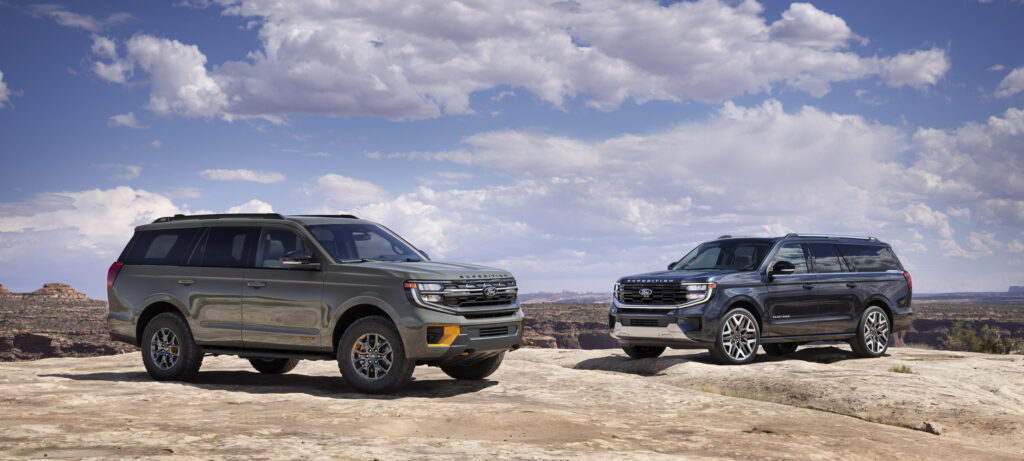

Despite the overall decline, Ford is trying to see positive aspects. The company emphasizes a “strategic shift towards high-margin SUVs, such as Expedition and Explorer.” According to their data, Ford’s share of the retail market likely grew by 0.2% to 11.6%.
The company notes that Bronco Sport started the year with record figures, and off-road models and trims continue to be in demand.
Ford acknowledges that the industry is undergoing changes but also tries to soften the impression of disappointing results, citing “particularly high industry figures in March 2025,” which complicates the year-on-year comparison.

Overall, Ford’s first-quarter report vividly illustrates the transitional period the company is going through. The sharp decline in sales of electric models and some key pickups contrasts with the growth of traditional SUVs and sports cars. This may indicate a shift in buyer priorities or temporary difficulties related to the model range update. The success of the Expedition and Explorer confirms the company’s strategy of betting on more profitable segments, while the situation with electric cars requires a review of marketing and pricing policies, especially after the loss of government incentives.